
Belle Isle: Detroit’s Island of Memory
There are places people visit.
And there are places people remember.
Belle Isle belongs to the second category.
For generations of Detroiters, this island has never been just a park. It has been a rite of passage, a family tradition, a summer ritual, and a shared backdrop to some of the city’s most personal moments. Long after people leave Detroit, Belle Isle is often one of the first places they still see clearly in their minds.
Because Belle Isle isn’t just geography.
It’s memory.
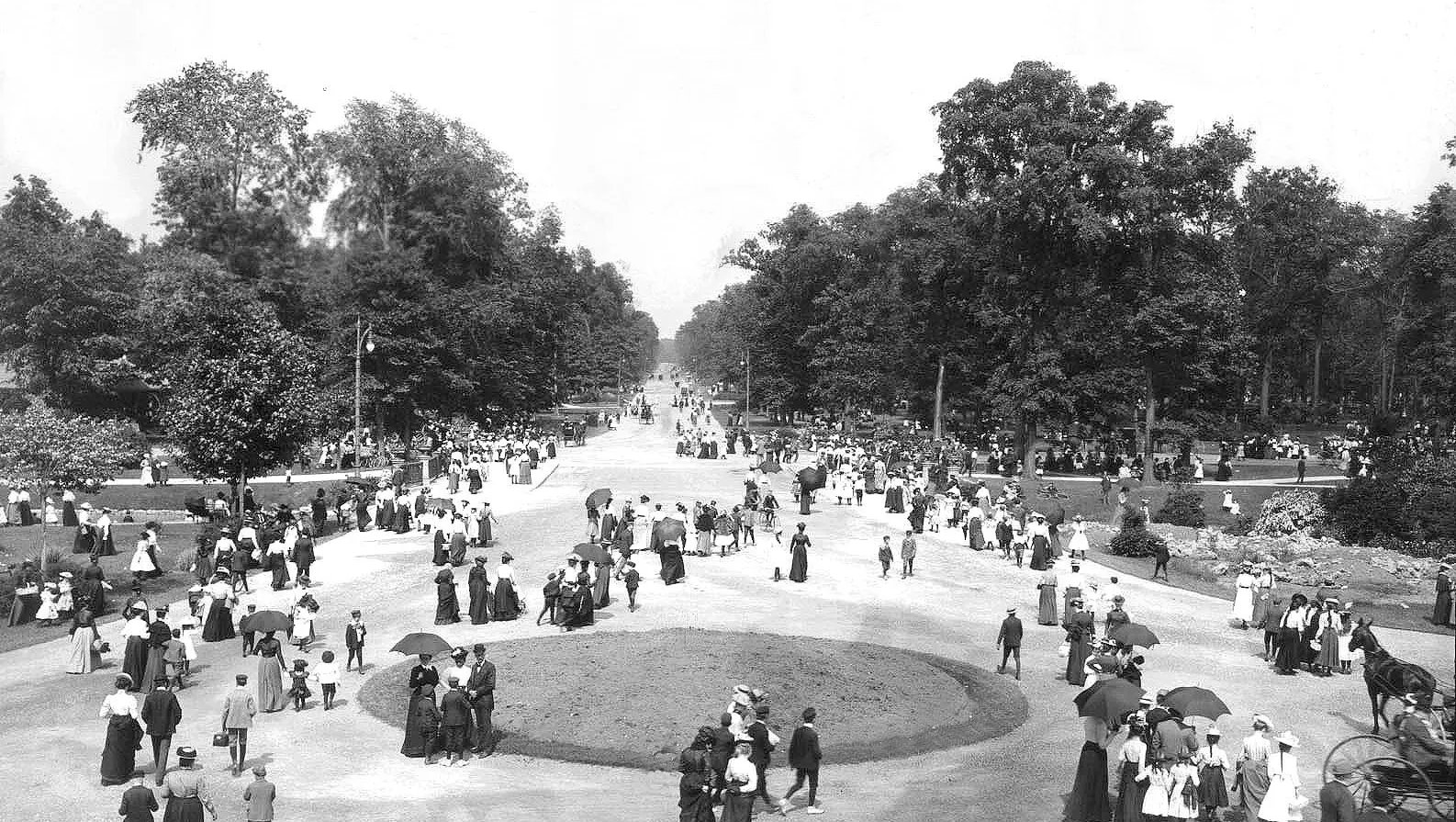
An Island That Holds the City’s Emotions
Belle Isle sits quietly in the Detroit River, but it has always carried the emotional weight of the city around it. Families crossed the bridge for picnics and birthdays. Teenagers came for first dates and late-night drives. Entire neighborhoods packed up cars on hot summer days to find relief along its shoreline.
For many Detroiters, Belle Isle was the place where the city felt lighter. Where work and stress faded for a few hours. Where Detroit gathered not as industries or neighborhoods, but as people.
Even today, long after attractions have closed and buildings have changed, the island still carries that feeling.
More Than a Park
Belle Isle’s history stretches far beyond its modern identity as a state park.
Once home to grand attractions, formal gardens, aquariums, conservatories, and recreational facilities, the island functioned as Detroit’s playground. It was intentionally designed as a place where public access to beauty mattered — where architecture, landscape, and leisure met.
Over time, Belle Isle evolved with the city. Some eras brought investment and expansion. Others brought neglect and uncertainty. Yet through every phase, the island remained part of Detroit’s collective identity.
Even when buildings closed, people still came.
A City’s Amusement Past
Belle Isle’s story is inseparable from Detroit’s broader amusement history.
Before massive theme parks and suburban entertainment complexes, Detroiters sought joy close to home. Places like Boblo Island, Edgewater Park, and Electric Park offered escape, excitement, and shared experience. Each reflected a moment in time when recreation was communal and deeply local.
These places weren’t just about rides or attractions — they were about gathering. About being part of something bigger than yourself.
Belle Isle existed within that same cultural orbit. It didn’t compete with those amusement parks; it complemented them. Together, they formed a network of memory across the region.
Many of those places are gone now. Belle Isle remains.
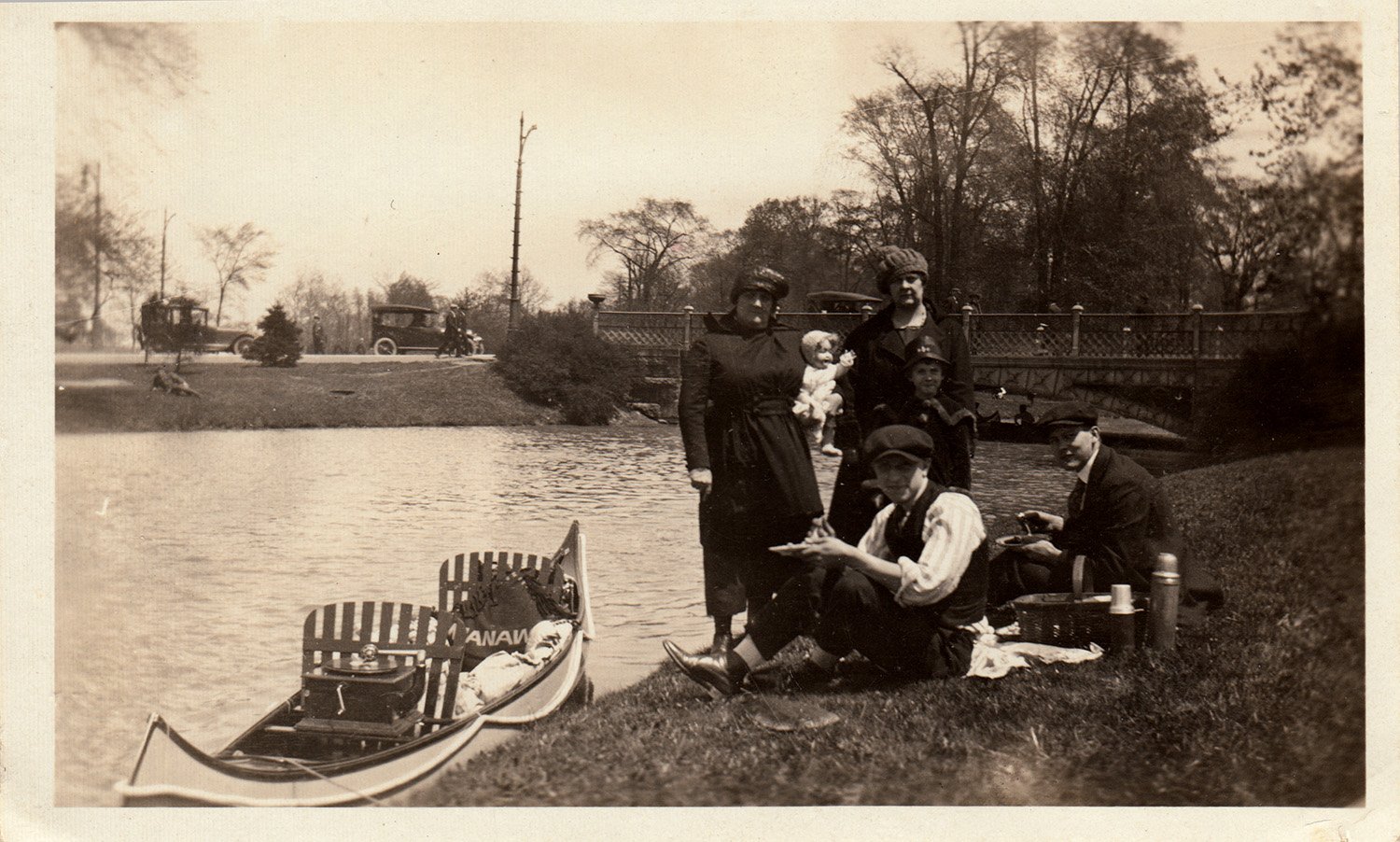
Survival Through Change
Few places in Detroit have witnessed as many shifts as Belle Isle.
It has seen:
-
industrial expansion along the river
-
population booms and declines
-
changes in governance and funding
-
cycles of care and neglect
Yet the island endures.
Its survival isn’t just physical. It’s emotional. Belle Isle persists because people never stopped caring about it — even when it felt forgotten.
That quiet attachment is what makes the island different.
Watch the Full Belle Isle Story
This blog accompanies our in-depth Streets of History video exploring Belle Isle — not just as a place, but as a vessel for Detroit’s collective memory.
The video dives into:
-
why Belle Isle feels different than other parks
-
how its role has changed over time
-
what was lost, what survived, and what remains
-
why the island still matters today
Watch the full Belle Isle video here.
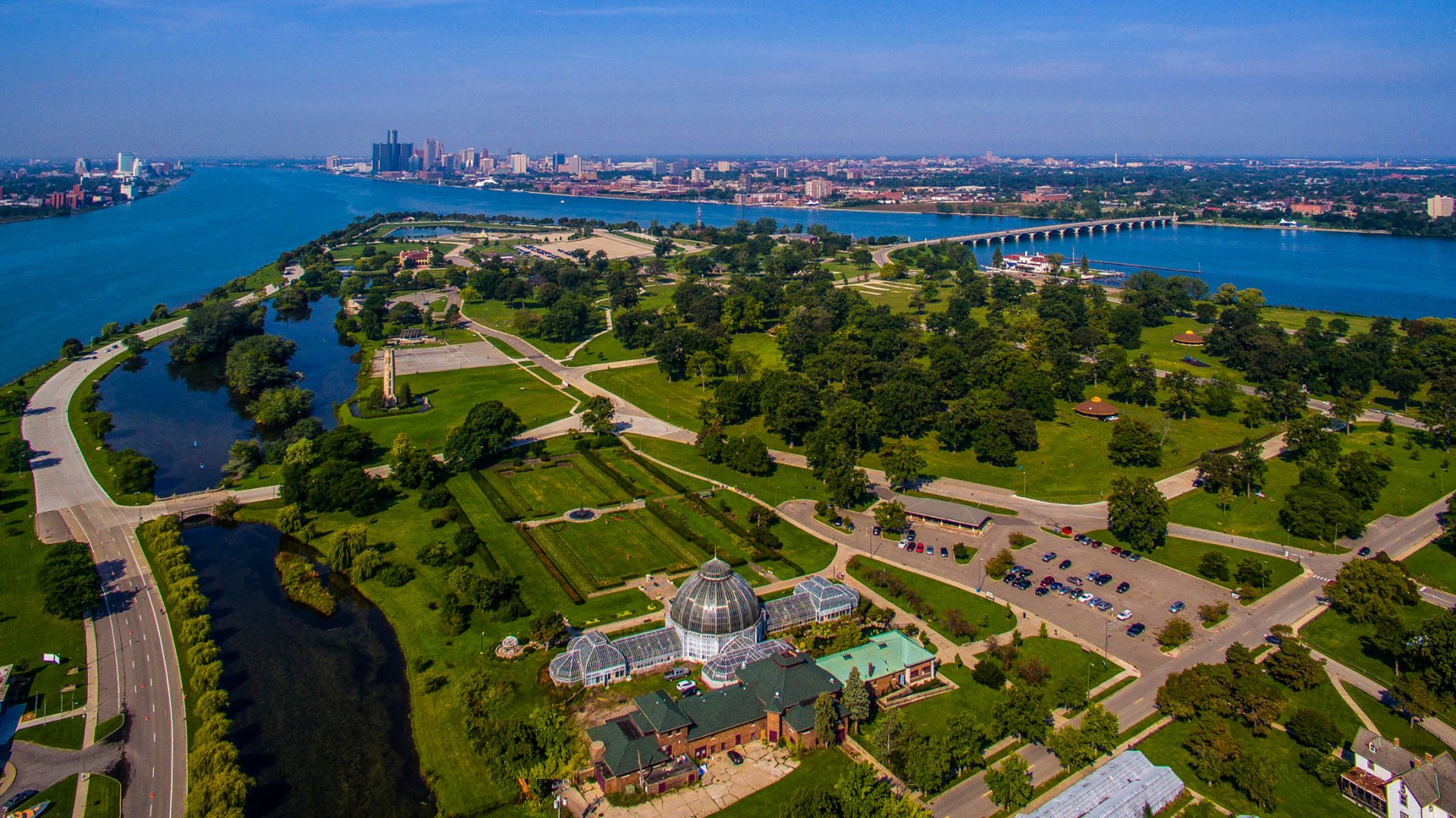
Memory Lives in the Comments
One of the most powerful things about Belle Isle is that no two people remember it the same way.
Some remember family reunions and cookouts.
Others remember the aquarium, the zoo, or long bike rides.
Some remember summer fireworks.
Some remember quiet winter walks.
Those memories are as important as the history itself.
If Belle Isle played a role in your life — even briefly — we invite you to share it. Photos, stories, small moments, and personal reflections all help keep the island’s story alive.
Detroit’s history doesn’t just live in buildings.
It lives in the people who experienced them.
The Island That Still Belongs to Everyone
Belle Isle has changed.
Detroit has changed.
But the reason this place matters hasn’t.
It was built to be shared.
It was shaped by generations.
And it continues to carry the weight of a city’s memories — quietly, patiently, and without asking for attention.
Belle Isle is still here.
And so are the stories.