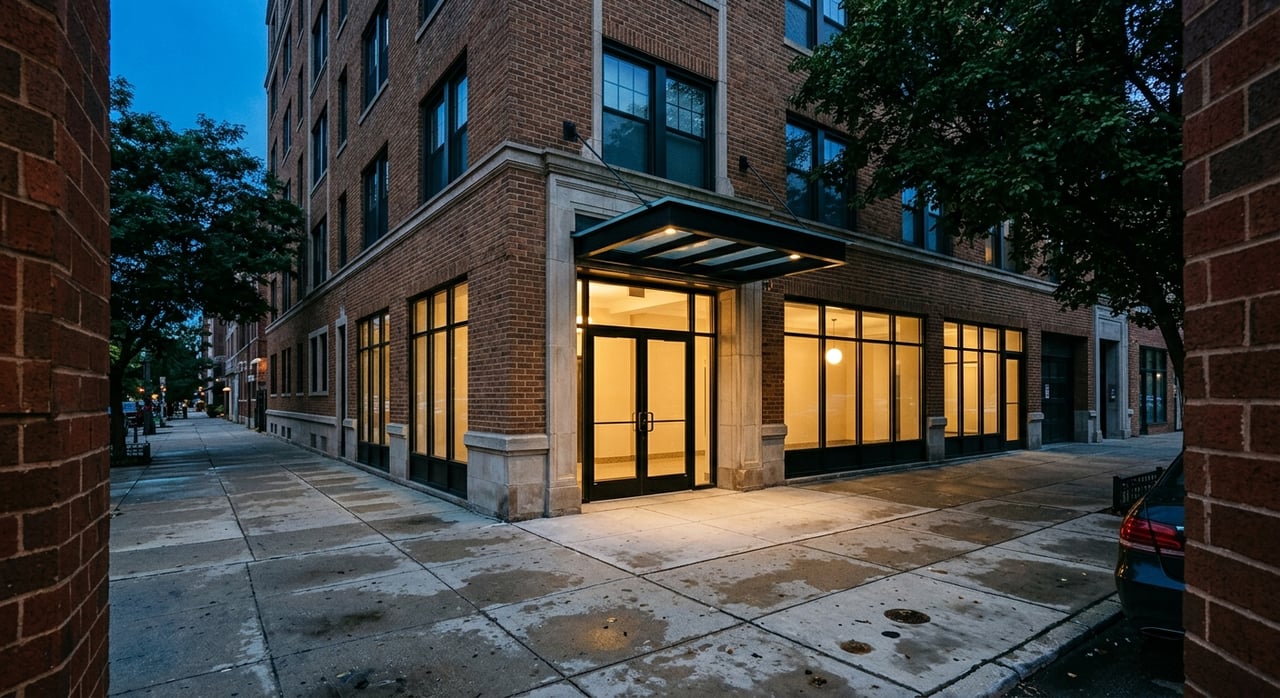
Trying to choose between Brush Park and Downtown for your next Detroit condo? It is a smart question, because these two neighborhoods can deliver very different day-to-day experiences even when they are only minutes apart. If you want a clear way to compare architecture, walkability, amenities, and price positioning, this guide will help you sort out which area fits your lifestyle best. Let’s dive in.
Brush Park vs. Downtown at a Glance
If you are condo shopping in Detroit, Brush Park and Downtown often rise to the top for good reason. Both put you close to the city’s core, both offer strong walkability, and both give you access to major venues, restaurants, parks, and transit.
The difference is in how each neighborhood feels and how its housing stock has developed. Brush Park leans more residential, design-forward, and historically rooted. Downtown tends to feel more vertical, convenience-driven, and centered around a broader mix of towers, loft conversions, and public activity.
What Brush Park Feels Like
Brush Park is one of Detroit’s oldest historic neighborhoods and is known for its 19th-century mansions and long architectural legacy. It became a local historic district in 1980, and Detroit’s current form-based code is meant to preserve that historic context while still allowing medium- and high-density mixed-use development.
That balance matters when you are buying a condo or attached home here. Brush Park is not just a preserved historic district. It is also a neighborhood that is still actively taking shape, with a mix of restored Victorian buildings and newer residential projects.
City development materials highlight this hybrid housing mix clearly. You will find renovated historic homes alongside newer townhomes, carriage homes, duplettes, and flats, including projects like City Modern, 124 Alfred, Brush Park Apartments, and The Brush and The Beaubien.
For many buyers, that creates a rare middle ground. You can get historic context and architectural character while still finding newer construction features, more contemporary layouts, and in some cases rooftop terraces or semi-private rooftop green space.
What Downtown Feels Like
Downtown Detroit is the central core bounded by I-75, I-375, the Detroit River, and the Lodge Freeway. Its housing mix is shaped more by towers and residential conversions, with older office buildings being adapted into lofts and condo residences.
The architectural identity here is different from Brush Park. Downtown is anchored by major buildings and public landmarks, including the Renaissance Center and Guardian Building, and its residential options include projects such as Security Trust Lofts, Capitol Park Lofts, Clark Lofts, The Press 321, and Book Building and Tower Residential.
If you picture condo living as being in the heart of the action, Downtown often fits that image more closely. It offers a denser urban core, a broader inventory of loft-style and tower-style residences, and a more immediate connection to major public spaces and daily activity.
Walkability and Everyday Convenience
Walkability is strong in both neighborhoods, but it shows up a little differently. Downtown has a Walk Score of 76, which Walk Score labels as very walkable, and it ranks as Detroit’s second-most walkable neighborhood.
That score reflects more than just sidewalks. Downtown’s everyday experience is supported by a dense public-space network centered on places like Campus Martius, Grand Circus, and Capitol Square, with the Downtown Detroit Partnership managing 18 parks and public spaces and programming more than 1,600 events annually across nine signature parks.
Brush Park can also feel highly walkable on a block-by-block basis. For example, 3423 Woodward Avenue has a Walk Score of 92, and the city’s Brush Park code specifically aims to encourage pedestrian-friendly streets and a walkable urban neighborhood.
In practical terms, Brush Park’s advantage is proximity. City materials describe it as just a few blocks from Detroit’s sports venues and theater district, with access to a full-service grocery, pharmacy, medical care, parks, and public transit.
Amenities: Breadth vs. Proximity
This is where the choice often becomes personal. Downtown generally offers the deeper amenity stack, while Brush Park offers close access to many of the same destinations from a setting that can feel more neighborhood-scaled.
If you want the broadest public-space programming and the most active civic core, Downtown has the edge. Campus Martius is described as Detroit’s gathering place, and Grand Circus serves as a key anchor for the entertainment district.
If you want to be near those same destinations without living directly in the center of the busiest environment, Brush Park may feel like the better fit. You are still close to the action, but the housing mix and street pattern can feel more residential and architecture-focused.
Condo Styles and Housing Mix
Your housing preferences may make this decision easier than market stats alone. If you are drawn to newer infill, townhome-style living, rooftop space, courtyard elements, and a blend of old and new, Brush Park stands out.
Its product mix is unusual for Detroit in a good way. The combination of restored Victorian structures and newer low- to mid-rise residential formats gives buyers options that can feel more tailored than a standard condo tower experience.
Downtown, by contrast, usually appeals to buyers who want classic urban condo living. That may mean loft-style units in converted buildings, homes in larger residential towers, or residences in architecturally significant commercial buildings that have been adapted for modern use.
Neither is better across the board. The right choice depends on whether you value neighborhood identity and design pedigree or maximum walk-to-everything convenience.
Price Positioning in Brush Park and Downtown
Current listing data suggest that Brush Park sits at a higher asking-price tier than Downtown. Redfin shows 19 Brush Park condos for sale at a median listing price of $495,000, while Downtown Detroit also shows 19 condos for sale at a median listing price of $373,000.
Broader neighborhood sales data point in the same direction, though the monthly sample sizes are small and should be treated as directional rather than definitive. In March 2026, Redfin reported a median sale price of $410,000 in Brush Park and $210,000 in Downtown Detroit, based on 8 and 5 homes sold respectively.
Downtown’s broader condo positioning still includes a meaningful upper tier. The Downtown Detroit Partnership’s 2026 market study places Downtown condo product in a planning range of roughly $335,000 to $515,000, with an average unit size of 1,393 square feet.
For Greater Downtown, that study shows a condo range of roughly $325,000 to $500,000 with an average size of 1,325 square feet. The same report notes that rental demand dominates the market, with 72.2% of Greater Downtown households preferring multifamily rental housing and 11% preferring multifamily for-sale condominiums.
Why Brush Park Often Commands More
Brush Park’s higher price positioning appears consistent with its housing mix. Newer residences in projects like City Modern include townhomes, carriage homes, and flats, and many offer features such as rooftop terraces or semi-private rooftop green space.
Those features can place Brush Park in a different lane from a more typical Downtown conversion unit. If you are paying for newer construction, more private outdoor space, or a more residential floor plan, Brush Park may justify that premium for the right buyer.
That does not mean Downtown is the value choice in every case. It means the neighborhoods often serve different buyer priorities, and their pricing reflects those distinctions.
Which Neighborhood Fits Your Lifestyle?
If you want a neighborhood with historic context, newer infill, and a more residential scale, Brush Park is often the stronger match. It can work especially well if you value architecture, want a home that feels curated, and like being close to the sports and entertainment district without being in the middle of the busiest core.
If you want the fullest amenity network, the broadest mix of condo and loft inventory, and a highly active urban environment, Downtown may make more sense. It tends to appeal to buyers who prioritize convenience, public-space programming, and a true center-city feel.
For downsizers, Brush Park may feel more architecture-driven and calm, while Downtown may feel more vertical and service-oriented. For professionals who want an urban lifestyle, the choice often comes down to whether you want neighborhood identity or maximum convenience.
A Simple Way to Decide
If you are torn between the two, start by ranking these four priorities:
- Building style: newer infill and townhouse-style living, or tower and loft living
- Daily rhythm: quieter residential blocks, or a busier central core
- Amenities: immediate proximity to major venues, or the broadest range of parks and programming
- Budget: willingness to pay a premium for product type and outdoor space, or interest in a wider range of Downtown price points
Once you know which of those matters most, the answer usually becomes clearer. In Detroit, location is not just about distance. It is about the kind of city life you want to live every day.
If you are comparing Brush Park and Downtown, the smartest move is to look beyond listings and think about fit. The right condo is not just the right square footage or finish level. It is the place that matches how you want to move through the city, what kind of architecture speaks to you, and what kind of neighborhood story you want to be part of.
If you want help weighing the options, pricing the tradeoffs, or finding a condo that fits your goals in Detroit, Christopher Hubel can help you navigate the market with local insight and a thoughtful, story-driven approach.
FAQs
What is the main difference between Brush Park and Downtown Detroit for condo buyers?
- Brush Park usually offers a more residential, historic-meets-new feel, while Downtown offers a denser urban core with more towers, loft conversions, public spaces, and programming.
Is Brush Park or Downtown Detroit more walkable for daily life?
- Both are walkable, but Downtown has a neighborhood Walk Score of 76 and a deeper public-space network, while parts of Brush Park score even higher at the block level and offer strong pedestrian access to nearby amenities and venues.
Are condos more expensive in Brush Park than Downtown Detroit?
- Current listing data show Brush Park at a higher median condo listing price, with Redfin reporting $495,000 in Brush Park compared with $373,000 in Downtown Detroit.
What types of condos are common in Brush Park Detroit?
- Brush Park includes a hybrid mix of renovated historic homes, newer townhomes, carriage homes, duplettes, and flats, with some residences offering rooftop terraces or semi-private outdoor space.
What types of condos are common in Downtown Detroit?
- Downtown condo inventory is more tower- and conversion-oriented, with lofts and residences in converted office buildings alongside larger residential buildings in the city’s central core.
Which Detroit condo neighborhood is better for buyers who like historic architecture?
- Brush Park is often the better fit if historic context and architecture are high priorities, especially if you also want newer infill options within a neighborhood that still reflects Detroit’s historic fabric.