Dreaming about a home on the water is easy. Buying the right one along Windmill Pointe takes a little more care. If you are considering lakefront living in this part of Grosse Pointe Park, you need more than a pretty view. You need a clear picture of the homes, the shoreline, the city rules, and the day-to-day lifestyle. That is where a practical guide can make all the difference. Let’s dive in.
Why Windmill Pointe Stands Out
Windmill Pointe sits within Grosse Pointe Park, the westernmost of the Grosse Pointe communities, about six miles east of downtown Detroit. The area blends historic housing, established streets, and direct access to Lake St. Clair. Along Windmill Pointe Drive, many homes are especially large and architecturally significant, which gives this corridor a distinct identity even within the broader city.
For many buyers, the appeal starts with character. Grosse Pointe Park’s planning documents note that the largest lots in this area often feature historical Neoclassical, French Beaux Arts, and Colonial Revival homes, along with newer Modern Farmhouse and Contemporary properties. That mix creates a streetscape that feels layered and established rather than uniform.
What Lakefront Living Means Here
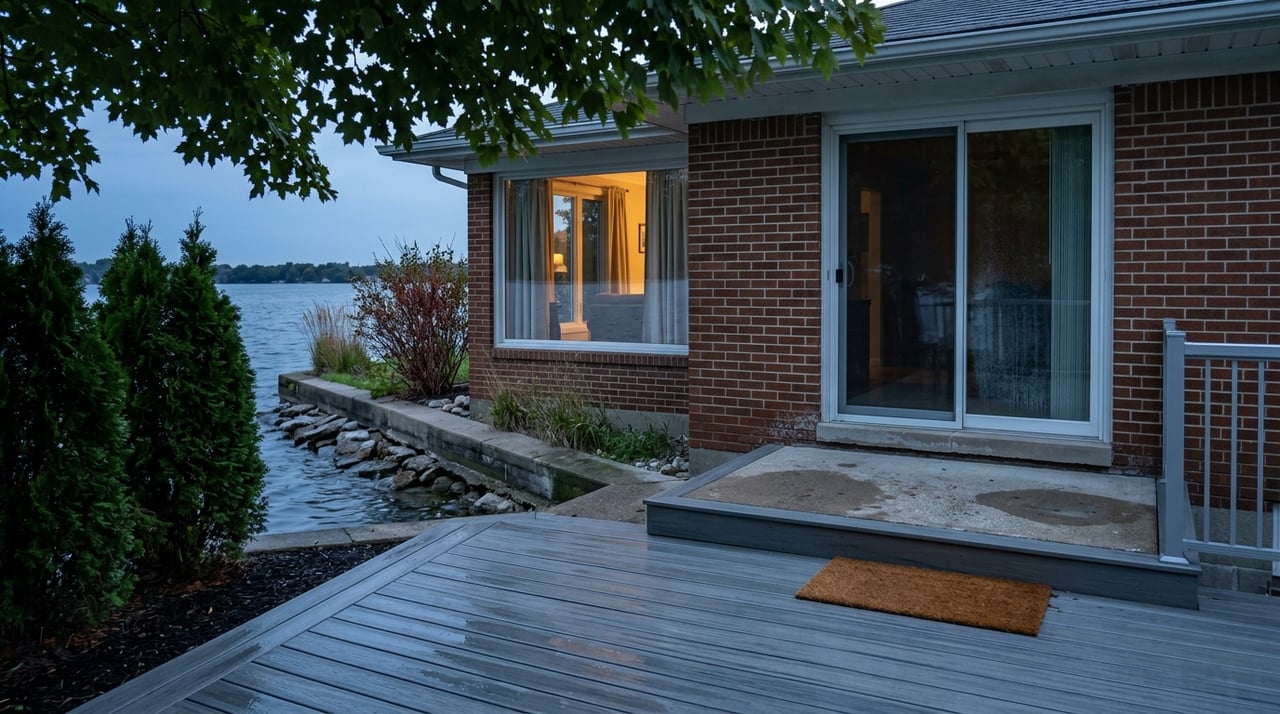
Lakefront living along Windmill Pointe is not just about the house. It is also about how the lot meets the shoreline and how the property functions over time. In practical terms, many homes here offer an engineered waterfront condition, not a sandy or natural beach setup.
According to Great Lakes Commission reporting cited in the research, at least 90% of the U.S. Lake St. Clair shoreline is hardened with seawall or rip rap. That matters because your buying decision should include the shoreline structure itself, not just the interior finishes or the square footage. A waterfront home can come with added maintenance, repair planning, and permitting questions.
Lot Size, Setbacks, and Zoning Matter
One of the strongest value drivers around Windmill Pointe is the lot itself. Grosse Pointe Park’s master plan identifies many of the largest parcels on Windmill Pointe Drive and Three Mile Road as part of the city’s largest-lot pattern. These homes often have deeper setbacks, wider frontages, and more prominent front yards than properties elsewhere in the city.
The 2024 zoning ordinance reinforces that pattern through the Estate Residential district. In that district, the minimum lot area is 20,000 square feet and the minimum width is 100 feet. The ordinance also discourages subdivision, which helps preserve the scale and spacing that many buyers value in this corridor.
Waterfront setbacks are another important detail. Instead of using one fixed number for every lot, Grosse Pointe Park defines a lakefront yard and bases the required waterfront setback on neighboring homes. For a vacant lot, the rule uses the average of 175 feet and the adjacent structure. If you are buying with renovation or new-construction ideas in mind, this is a key point to verify early.
Architecture Carries Real Value
Some neighborhoods compete on convenience. Windmill Pointe often competes on presence, scale, and architectural pedigree. That can be especially appealing if you are drawn to homes with story, craftsmanship, and a stronger sense of place.
For a preservation-minded buyer, the appeal is not only cosmetic. Larger historic homes can come with distinct site planning, garage placement, and façade composition that are harder to replicate today. When you buy here, you are often buying into a built environment shaped by lot dimensions, long-term planning, and architecture that stands apart from more typical suburban housing stock.
Know the Water-Level Reality
Any Lake St. Clair purchase should include a realistic look at water conditions. The Michigan Department of Environment, Great Lakes, and Energy says lake levels are driven by precipitation, runoff, and evaporation. Levels tend to be highest in spring and summer and lowest in fall and winter.
EGLE’s planning guide shows an observed Lake St. Clair water-level range of 7.1 feet. It also notes that intense rainfall and high water can contribute to erosion and flooding even when pre-existing water levels are normal. In other words, a calm day at a showing does not tell the whole story.
This is why water exposure should be part of your due diligence from the start. You want to understand not only where the water is today, but how the site has handled seasonal shifts, storms, and runoff over time.
Shoreline Protection and Permits
If a property includes shoreline improvements, ask direct questions. Find out whether the water edge is protected by seawall, rip rap, or another system. Ask whether work has been done recently and whether permit records are available.
That matters because shoreline protection on the Great Lakes typically requires permits from both EGLE and the U.S. Army Corps of Engineers. If replacement or repair is on your long-term to-do list, those approvals can affect timing, scope, and cost. A beautiful lot is still an infrastructure asset, and you should evaluate it that way.
Sewer and Drainage Deserve Extra Attention
Older, architecturally significant homes often come with older infrastructure. Grosse Pointe Park notes that its storm sewer system ultimately discharges to Lake St. Clair, and homeowners are responsible for the private service lines from the shutoff to the home. The city also notes that many houses still have older clay sewer laterals that can crack and leak.
That makes sewer-lateral inspection an especially smart step for buyers in this corridor. You should also review drainage conditions around the lot and ask your insurance provider about water-damage and backup coverage. On a waterfront property, these details are not small print. They are part of understanding the full cost and care of ownership.
The Lifestyle Is More Marina Than Beach
Many buyers picture lakefront living as swimming from the backyard or spending every summer day on an open beach. Windmill Pointe offers a different kind of waterfront experience. Here, the lifestyle is often centered on boating, fishing, marina access, park amenities, and views of the water.
Windmill Pointe Park serves as the local amenity hub. The city lists an Olympic-size swimming pool, wading pool, marina, fishing pier, tennis court, volleyball, playground, picnic areas, and the Tompkins Community Center. The Lavins Activity Center includes theaters, the Meade Fitness Center, and a gymnasium.
The marina itself has 270 wells, along with electricity and water at each well, plus transient wells during its April 15 through November 15 season. At the same time, city rules state that swimming in the lake is not permitted. So if you are buying here for a true beach lifestyle, it is worth resetting expectations. If you want a boating and park-centered waterfront routine, this area may fit beautifully.
Access Is Resident-Oriented
Another practical point is access. Park passes are issued to residents, tenants, and business owners, which means use is managed rather than open to the general public. For buyers, that can be an appealing feature because it shapes how the amenities are used and who can access them.
It also means you should understand what rights and access come with the property you are buying. For many people, this resident-oriented structure is part of the appeal of living in Grosse Pointe Park.
A Smart Buyer Checklist
If you are serious about buying along Windmill Pointe, keep your due diligence focused and local. These are some of the most important questions to answer before closing:
- Confirm the property’s zoning district and compare the lot size and width to the surrounding block pattern.
- Review waterfront setback requirements, especially if you may renovate, expand, or rebuild.
- Ask what type of shoreline protection exists at the water line.
- Request any available permit history for shoreline work or replacement.
- Verify Certificate of Occupancy status, since Grosse Pointe Park requires a new Certificate of Occupancy when ownership changes.
- Check permit history for additions, major upgrades, and system work.
- Inspect sewer laterals, drainage conditions, and signs of water intrusion.
- Review insurance options for water damage and sewer backup.
A checklist like this can help you separate a compelling property from one that may bring more unknowns than you want.
Windmill Pointe Versus Nearby Alternatives
Some buyers also compare Windmill Pointe with nearby Detroit-side options such as Jefferson-Chalmers. That can be a useful comparison, but it should be done carefully. The research notes that Jefferson-Chalmers is guided by its own city framework plan, so its amenity profile, planning context, and risk considerations are not identical to Windmill Pointe.
That means you should avoid assuming the same ownership experience on both sides of the boundary. Similar geography does not always mean similar rules, shoreline conditions, or neighborhood structure.
Who Windmill Pointe Often Fits Best
Windmill Pointe tends to make the most sense for buyers who value one or more of the following:
- Architectural character and historic design presence
- Large lots with strong street presence
- Water views and marina-oriented living
- Established neighborhood context close to Detroit and the Grosse Pointes
- A long-term ownership mindset that includes maintenance planning
If that sounds like your priorities, this corridor can offer something hard to duplicate elsewhere in Metro Detroit. It combines legacy-scale homes, a visible connection to Lake St. Clair, and a lifestyle built around access, infrastructure, and place.
Buying Here Takes More Than Taste
The homes along Windmill Pointe can be striking, but the smartest purchases are grounded in more than emotion. You are not just buying architecture and a view. You are also buying into lot regulations, shoreline conditions, permit history, and maintenance realities that deserve careful review.
That does not make the process intimidating. It simply means the best results come from informed guidance and strong local due diligence. When you understand how the house, lot, and shoreline work together, you can buy with a lot more confidence.
If you are considering a move along Windmill Pointe or anywhere in Grosse Pointe Park, Christopher Hubel can help you evaluate the story, the structure, and the details that matter most.
FAQs
What makes Windmill Pointe different from other parts of Grosse Pointe Park?
- Windmill Pointe is known for larger lots, notable architecture, and a strong concentration of lakefront and lakeside homes within Grosse Pointe Park.
What should buyers know about waterfront lots along Windmill Pointe?
- Many waterfront parcels are shaped by local zoning rules, lot-width standards, and lakefront setback requirements that should be reviewed before you buy.
What kind of shoreline should buyers expect on Lake St. Clair in Windmill Pointe?
- Many buyers should expect engineered shoreline protection such as seawall or rip rap rather than a natural beach condition.
What due diligence is important when buying a home in Windmill Pointe?
- Key steps include reviewing zoning, checking permit and Certificate of Occupancy status, inspecting sewer laterals and drainage, and understanding shoreline protection and insurance coverage.
What is the waterfront lifestyle like near Windmill Pointe Park?
- The lifestyle is centered more on boating, marina access, fishing, pool use, and park amenities than on lake swimming, since swimming in the lake is not permitted.
Who can use Windmill Pointe Park amenities in Grosse Pointe Park?
- Park access is managed through passes issued to residents, tenants, and business owners, so the amenities are not fully open to the general public.