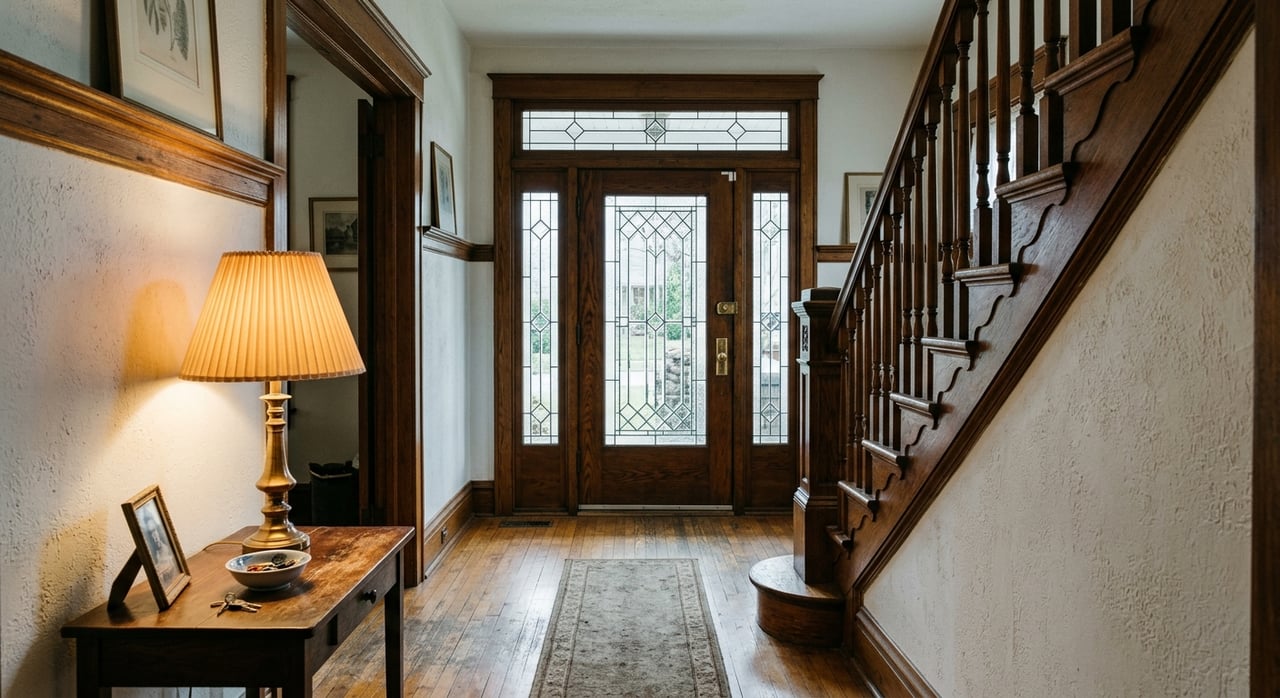
Dreaming about a historic home in Pontiac? You are not alone. For many buyers, the appeal is easy to understand: original woodwork, layered architecture, and the feeling that a house has a story worth carrying forward. But buying and restoring a historic home also comes with extra questions about condition, approvals, and budget. This guide will help you understand how Pontiac’s historic-home landscape works, what to verify before you buy, and how to plan a restoration with fewer surprises. Let’s dive in.
Why Pontiac draws historic-home buyers
Pontiac offers a wide range of historic property types, which is part of what makes the search so interesting. According to the National Register documentation for Pontiac historic districts, the city includes places such as the Franklin Boulevard Historic District, the Fairgrove Avenue Historic District, and the Pontiac Commercial Historic District.
Those districts reflect different eras and architectural styles, including Greek Revival, Italianate, Queen Anne, Colonial Revival, Gothic, and Early Commercial. In practical terms, that means you may be looking at very different restoration paths depending on the property. One home may need careful trim repair and window restoration, while another may involve more complex questions about additions, façades, or long-term preservation planning.
Know the designation first
One of the biggest mistakes buyers make is assuming all "historic" homes are regulated the same way. In Pontiac, that distinction matters a lot before you make an offer or build a renovation budget.
National Register is not the same as local district status
The National Park Service explains that National Register listing does not place federal restrictions or requirements on a private property owner. So if a home is associated with a National Register district, that alone does not automatically mean you need federal approval to make changes.
Local historic district rules are different. Michigan’s guidance for local historic districts states that these districts are protected by ordinance, and proposed exterior work is reviewed by a local historic district commission using the Secretary of the Interior’s Standards for Rehabilitation.
What Pontiac requires
Pontiac’s own zoning code and preservation rules are especially important for restoration-minded buyers. In designated historic districts, new construction, additions, and exterior improvements beyond routine maintenance and repair require prior approval by the Pontiac Historic District Commission.
The city code also addresses permit applications, exterior design review standards, denials, appeals, and penalties for work completed without approval. For you as a buyer, the takeaway is simple: confirm the property’s status before assuming your renovation plans are straightforward.
What to verify before you buy
A historic home purchase needs a little more due diligence than a typical transaction. The goal is not to scare you away. It is to help you understand what you are buying so you can move forward with confidence.
Confirm district status and property records
Start by verifying whether the property is in a locally designated historic district, only connected to a National Register district, or neither. Pontiac’s tenant toolkit points buyers toward the city’s BS&A property records and Oakland County deed records as useful tools for checking permits, inspections, violations, certificates, ownership, and liens.
That step can help you uncover whether previous work appears to have been properly documented. It can also raise red flags early if a seller made major exterior changes without the approvals the property may have required.
Build the right inspection team
With an older home, a general inspection is only the starting point. The National Park Service recommends planning rehabilitation work case by case with qualified professionals such as architects, architectural historians, historians, and archaeologists when needed, and that same rehabilitation guidance supports bringing in people who understand preservation-sensitive work.
For most buyers, that means working with an inspector and contractor who have real experience with older housing stock. You want professionals who can distinguish between cosmetic wear, deferred maintenance, and repairs that may affect historic character or trigger review.
Focus on the most sensitive renovations
Not every project carries the same level of risk or review. If you are buying in a local historic district, the most sensitive changes are usually the ones people can see from the outside.
Exterior changes usually get the most scrutiny
Michigan’s local historic district framework focuses on exterior resources, which is why visible changes to the building envelope and character-defining features are typically the biggest issue in historic review. That can include additions, siding changes, porch alterations, window replacement, new trim details, and other work that changes how the building presents to the street.
This does not mean interior work is automatically exempt from ordinary permits or code requirements. It simply means that, from a historic-district standpoint, exterior changes tend to be the main point of review.
Repair is often preferred over replacement
The Secretary of the Interior’s Standards for Rehabilitation emphasize preserving historic character, repairing deteriorated features instead of replacing them when possible, and avoiding treatments that damage older materials. They also say that new additions or exterior alterations should be compatible with the older building while still being distinguishable from it.
That is an important mindset shift if you are used to standard renovation advice. In a historic home, success is often less about making everything look brand new and more about making thoughtful choices that respect the building’s materials, scale, and visible history.
Budget for restoration with fewer surprises
Historic-home budgets can go sideways when buyers focus only on purchase price and cosmetic updates. A stronger plan accounts for approvals, documentation, specialized labor, and project timing.
Understand tax credit differences
If you are exploring incentives, it is important to know that federal and state programs are not the same. The National Park Service states that the federal historic rehabilitation tax credit is 20% and applies only to certified historic structures that are depreciable or income-producing. Owner-occupied residential properties do not qualify for that federal credit.
Michigan’s current program may be broader. According to the 2025 Form 5803 instructions, the Michigan Historic Preservation Tax Credit can apply to homeowners, commercial property owners, and businesses that qualify as eligible taxpayers, and it equals 25% of qualified expenditures for approved plans after December 31, 2020.
Timing and paperwork matter
The same Michigan tax credit instructions say the credit generally must be claimed within five years after the Certificate of Completed Rehabilitation is issued, and unused credit can carry forward for up to 10 years. They also note that revocation or certain unapproved sale or disposition events within five years can trigger recapture.
In plain English, an incentive may have real value, but only if you plan the project carefully from the beginning. Before construction starts, you will want to understand eligibility, approval timing, and documentation requirements so your budget reflects the full process.
A smart approach to buying and restoring
If you love older homes, Pontiac can offer real opportunity. The city’s historic districts include a wide range of architecture and property types, and that variety can be exciting if you are prepared to ask the right questions.
A smart purchase usually comes down to five things:
- Confirm whether the home is in a local historic district
- Review available property, permit, and deed records
- Inspect the home with professionals who know older houses
- Prioritize repair strategies that preserve historic character
- Build a budget that accounts for approvals, timing, and possible incentives
Historic homes reward patience and planning. When you understand the property’s designation, condition, and restoration path before closing, you give yourself a much better chance of protecting both the home’s story and your investment.
If you are considering a historic home in Pontiac and want guidance grounded in local market knowledge and a preservation-minded approach, Christopher Hubel can help you evaluate the opportunity and move forward with clarity.
FAQs
How can you tell if a Pontiac historic home is in a local historic district?
- You can start by verifying the property through city and county records, including the BS&A property records and Oakland County deed records referenced by Pontiac, because local historic district status can affect approval requirements for exterior work.
Does National Register listing restrict renovations on a private Pontiac home?
- No. The National Park Service FAQ says National Register listing alone places no federal restrictions or requirements on a private property owner, though local laws may still apply.
What renovations are most sensitive on a historic home in Pontiac?
- Exterior changes are usually the most sensitive, especially work involving additions, visible improvements, and character-defining features, because Pontiac’s local rules require review for many exterior changes in designated historic districts.
Can you get a tax credit for restoring a historic home in Michigan?
- Potentially, yes. The Michigan Historic Preservation Tax Credit instructions say qualifying homeowners, commercial owners, and businesses may be eligible for a 25% nonrefundable credit on qualified expenditures.
Does the federal historic tax credit apply to owner-occupied homes in Pontiac?
- No. The National Park Service tax incentive overview says the federal 20% credit is for certified historic structures that are depreciable or income-producing, and owner-occupied residential properties do not qualify.