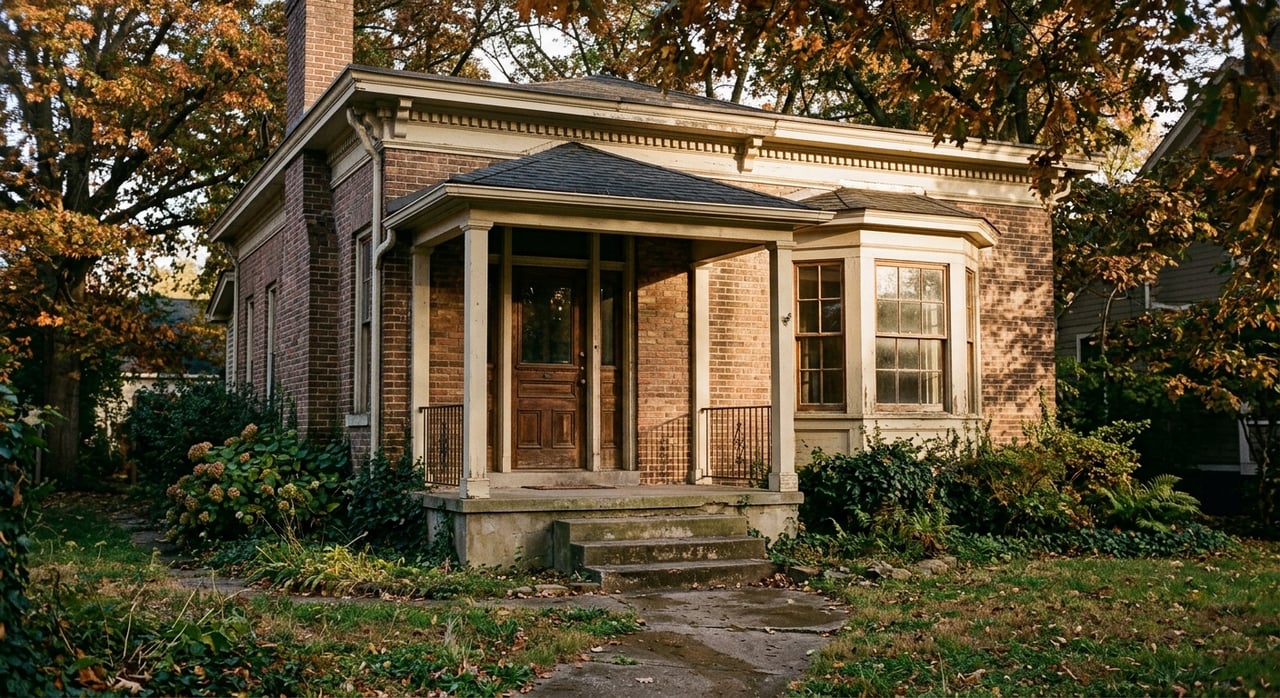
Wondering whether now is the right moment to sell your historic Detroit home? If you own a property with original millwork, stained glass, plaster details, or a long neighborhood story, the answer is rarely as simple as checking the citywide median price. Historic homes live in their own market, and if you want to sell well, you need to understand value, condition, district rules, and presentation before you ever talk list price. Let’s dive in.
Detroit's Historic Market Is Hyperlocal
Detroit’s overall housing market gives useful context, but it does not tell the full story for a historic home. In March 2026, Redfin reported a Detroit median sale price of $105,000, with homes averaging about 63 days on market and receiving two offers on average. That broad snapshot suggests an active but price-sensitive market where pricing and presentation matter.
Historic neighborhoods can perform very differently from the city as a whole. According to Redfin’s Detroit housing market data, neighborhood-level pricing can vary dramatically, and that spread becomes even clearer in preservation-minded areas. In Indian Village market data, for example, the median value is far above the city median.
That matters if you are trying to decide whether to sell now. A historic house should be priced based on nearby comparable properties with similar architecture, condition, and location, not on Detroit averages alone. If your home is in Indian Village, Boston-Edison, Palmer Woods, or another recognized historic area, your likely buyer pool and pricing strategy may look very different from a typical citywide listing.
Historic District Status Comes First
Before you list, you need to know whether your home is inside a designated local historic district. The City of Detroit explains that a local historic district is an area formally designated by City Council, and those district rules apply to the property if the address falls within that boundary. You can review Detroit’s Historic District Information to confirm district context and start verifying how your property fits.
This step is important because local district status affects what exterior work may need approval. Detroit notes that the Historic District Commission reviews exterior alterations, while interiors are rarely designated. The city also makes clear that National Register status or a Michigan historical marker alone does not automatically restrict what a private owner can do unless federal funding or federal historic tax credits are involved.
If you are thinking about selling soon, this is one of the first places to focus. Buyers often ask about updates, permits, and whether exterior changes were approved. When you can answer those questions clearly, you reduce uncertainty and help your sale move more smoothly.
Exterior Work Can Affect Your Sale
Historic district rules are not just a technical issue. They can directly affect your timeline and your buyer confidence.
Detroit’s Historic District Commission states that a building permit is required for exterior changes in a historic district, including new roofs, new windows, siding replacement, color changes, and demolition. On the city’s historic district permit guidance, Detroit also warns that unapproved exterior work stays with the property after ownership changes and may complicate or even prevent a sale.
That means one of the clearest signs it may be time to sell is when your historic-district issues are clean. If you have documentation for exterior improvements, permit history, and approvals where needed, you are in a stronger position. If you do not, it may be worth addressing those questions before you go to market.
Condition Still Drives Buyer Demand
Charm helps, but condition still carries real weight. Historic homes attract buyers who appreciate craftsmanship and original detail, but those same buyers also want to understand the structure, systems, and upkeep.
The Appraisal Institute’s consumer guidance explains that appraisers look at condition, structure, interior, exterior, upgrades, foundation, and comparable sales when determining market value. The same source notes that historic properties differ from more typical homes and that legislation and government policies can affect value.
In practical terms, buyers do not value a historic home on romance alone. Original windows, hardwood floors, fireplaces, plaster moldings, and period trim can add appeal when they are intact and well maintained. But deferred maintenance can quickly shift the conversation from character to cost.
Original Features Need Context
If your home has preserved details, those features can absolutely help it stand out. Buyers of existing homes often value charm and character, according to the National Association of REALTORS® 2025 buyer and seller report. At the same time, some buyers choose newer homes specifically to avoid renovation and major repair concerns.
That tension is especially relevant in Detroit’s historic housing stock. You may have a beautiful home with original details, but if the roof, masonry, windows, or mechanicals raise immediate questions, buyers may hesitate or adjust their offers accordingly. The goal is not to strip away history. It is to present the home in a way that feels cared for, understandable, and manageable.
A strong pre-listing review often focuses on questions like these:
- Which original features are real selling points?
- Which deferred maintenance items could distract buyers?
- Which updates should be documented clearly?
- Which exterior changes may need permit or district review?
Pricing a Historic Home Takes More Precision
One of the biggest mistakes historic sellers can make is assuming uniqueness alone creates premium value. Distinctive architecture matters, but pricing still has to line up with what buyers are willing to pay for similar homes nearby.
Detroit’s market spread shows why precision matters. The city includes homes selling in the low hundreds of thousands, preserved properties in the mid-hundreds of thousands, and trophy homes reaching near or above seven figures depending on the neighborhood and the asset. A home in Palmer Woods, for example, should never be evaluated the same way as a home in a different Detroit micro-market with a different buyer pool.
If you are asking, “Is it time to sell?” a better version of that question is this: Can your home be priced confidently using relevant historic comps? If the answer is yes, you are much closer to being market-ready.
Online Presentation Matters More Than Ever
Even the most architecturally significant home can be overlooked if it is poorly presented online. Today’s buyers start on the internet, and first impressions often happen on a screen.
According to NAR’s home buyer snapshot, all buyers used the internet in their home search. NAR also reports that buyers find photos, detailed property information, and floor plans especially valuable, and that listing photos are among the most useful online features when evaluating a property.
For a historic Detroit home, this matters even more. Buyers need help seeing not just square footage, but atmosphere, craftsmanship, layout, and care. Strong photography, thoughtful image sequencing, and clear property descriptions help tell that story in a way that generic marketing cannot.
Staging Helps Buyers See the Home
Historic homes sometimes have unusual layouts, specialized rooms, or decorative details that can feel overwhelming in photos if the presentation is not intentional. That does not mean every home needs a full redesign. It means the house should read clearly and confidently both online and in person.
NAR reports that 83% of buyers’ agents said staging made it easier for buyers to visualize a future home. For a historic property, that can be especially useful when you want buyers to appreciate scale, function, and the livability of period spaces.
Simple presentation wins can include:
- Decluttering ornate rooms so details stand out
- Defining the purpose of each room clearly
- Highlighting natural light and original architectural features
- Reducing visual distractions before photography
Three Signs It May Be Time To Sell
If you are still unsure, these are three practical signals that the timing may be right.
1. Your home can be priced from true comps
You have enough nearby historic sales, or closely comparable properties, to support a realistic pricing strategy. That helps you avoid overpricing based on emotion or underpricing based on broad citywide data.
2. Your district and permit history are in order
You know whether the home is in a local historic district, and you can account for exterior work, approvals, and permit history. That clarity helps build buyer trust and reduces surprises.
3. Your home is ready for premium marketing
The property shows well, photographs well, and has a story worth telling through strong visuals and clear copy. In a market where buyers are searching online first, that readiness can make a major difference.
What To Do Before You List
If your home checks some of these boxes but not all of them, that does not mean you should wait indefinitely. It means your next step should be strategic.
Before listing, it helps to review:
- Historic district status
- Exterior permit and approval history
- Condition of major systems and visible materials
- Original features worth emphasizing
- Nearby comparable sales
- Photo-readiness and presentation
That kind of review gives you a better answer than a quick online estimate ever could. It helps you see whether now is the right time, what work matters most, and how to position your home for the right buyer.
Selling a historic Detroit home is rarely just about timing the market. It is about understanding the property, respecting its context, and presenting it with care. If you are considering a move and want a thoughtful, story-driven approach to pricing, preparation, and marketing, connect with Christopher Hubel and Let’s Tell Your Home’s Story.
FAQs
How do I know if my Detroit home is in a local historic district?
- You should verify the address through Detroit’s historic district resources, because district rules apply to designated boundaries, not just neighborhood names.
Do Detroit historic district rules apply to interior renovations?
- Detroit says the Historic District Commission reviews exterior alterations, while interiors are rarely designated.
Can unapproved exterior work affect the sale of a Detroit historic home?
- Yes. Detroit states that unapproved exterior work in a historic district stays with the property and may complicate or prevent a sale.
Does citywide Detroit pricing reflect the value of a historic home?
- Not necessarily. Historic homes should be priced using neighborhood and micro-market comparable sales, because preserved districts can perform very differently from the overall city market.
What do buyers look for in a historic Detroit home listing online?
- NAR reports that buyers rely heavily on the internet and value listing photos, detailed property information, and floor plans when evaluating homes.