If you’re drawn to homes with story and soul, Palmer Woods will feel like a treasure map. The neighborhood’s streets are lined with large, early 20th-century houses that blend craftsmanship, mature trees, and a cohesive streetscape. As a buyer, you want to spot the right style fast, understand condition and costs, and navigate historic rules without stress. This guide gives you a clear visual primer, a practical checklist, and the context you need to buy with confidence. Let’s dive in.
Why Palmer Woods stands out
Palmer Woods is a historic residential district on Detroit’s north side known for broad lots, uniform setbacks, and a canopy of mature trees. Most homes date from the 1910s to the 1930s, when Detroit saw a surge of early suburban development. You’ll see a range of revival-era styles, especially Tudor Revival and Mediterranean Revival, along with Colonial and Arts & Crafts influences.
Because it is a designated historic district, exterior character and streetscape continuity matter. Expect period details like formal rooms, multiple staircases, and rich millwork. Also plan for tradeoffs typical of large historic homes, such as older building systems, energy inefficiency, and legacy materials that may require specialist care.
See the hallmark styles fast
Below are quick cues to help you recognize the major styles in Palmer Woods and decide what fits your taste and lifestyle.
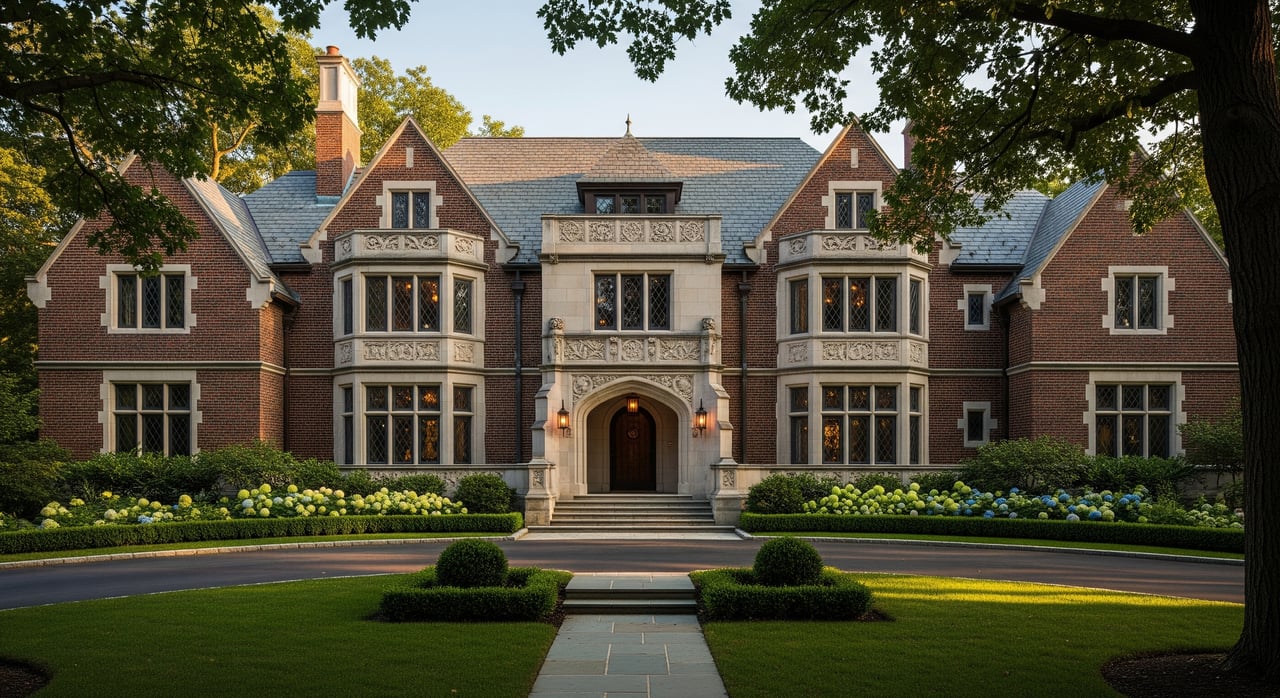
Tudor Revival: what to look for
- Exterior cues:
- Steep, irregular gables and prominent front-facing gables.
- Decorative half-timbering over light stucco on upper facades.
- Brick or stone on the first story, tall chimneys with patterned brickwork.
- Narrow multi-paned casement or leaded windows, arched doorways.
- Interior cues:
- Exposed beams, heavy wood trim, built-ins, arched passages.
- Cozy nooks and formal living and dining rooms.
- Fireplaces with stone or tile surrounds.
- Materials:
- Brick, stone, stucco, timber accents; slate or tile roofs in higher-end examples.
- Why buyers love it: Dramatic rooflines and chimneys, rich millwork, and intimate rooms with character.
Mediterranean/Spanish Revival: what to look for
- Exterior cues:
- Low-pitched roofs with clay tile.
- Smooth stucco walls; arched doors and windows; wrought-iron balconies or grilles.
- Asymmetrical facades, sometimes with loggias or small courtyards.
- Interior cues:
- Plaster walls and ceilings; arched openings; tile or hardwood floors.
- Decorative ceramic tile accents.
- Materials:
- Stucco, clay tile roofing, terra-cotta or cast-stone details, wrought iron.
- Why buyers love it: Sun-washed profiles, airy rooms, and an indoor-outdoor feel where layouts allow.
Colonial/Georgian Revival: what to look for
- Exterior cues:
- Symmetrical facades and centered entries with classical details.
- Multi-pane double-hung windows, often with shutters.
- Brick or clapboard, decorative cornices and pilasters.
- Interior cues:
- Formal living and dining rooms, balanced fireplace placement.
- Crown moldings, paneled doors, and a refined feel.
- Materials:
- Brick, wood clapboard, classical millwork.
- Why buyers love it: Timeless symmetry and elegant, formal layouts.
Arts & Crafts/Craftsman: what to look for
- Exterior cues:
- Low-pitched roofs with wide eaves and exposed rafters.
- Porches with tapered columns; natural materials like stone and wood.
- Interior cues:
- Built-ins, broad trim, warm woodwork; open but clearly defined rooms.
- Materials:
- Wood, stone, stucco; original-era windows and hardware.
- Why buyers love it: Honest craftsmanship and warm finishes that age gracefully.
Eclectic hybrids and one-of-a-kind homes
Palmer Woods includes many architect-designed homes that mix elements, such as Tudor massing with Mediterranean tile or Colonial symmetry with Arts & Crafts detailing. Expect variation in materials and quality from house to house. If you value uniqueness, these hybrids can deliver standout curb appeal and interiors.
Condition and maintenance essentials
Historic materials are durable, but they require informed care. Use these highlights to plan your due diligence and budget.
Roofing and rooflines
- Common materials: slate, clay/terracotta tile, asphalt shingles (later replacements), and sometimes wood shakes.
- Considerations:
- Complex multi-gabled roofs create more valleys and flashing points, which can leak if not maintained.
- Slate can last 75 to 150 years or more; clay tile often 50 to 100 years. Repairs are specialized and pricier than asphalt.
- Asphalt is lower cost but may not be historically consistent.
- Inspection priorities: overall roof condition, chimney and valley flashing, evidence of patching, attic staining, and any sagging in the structure.
Masonry, stucco, and half-timbering
- Masonry: check mortar for deterioration, spalling, and efflorescence. Incompatible repointing mortars can harm historic brick.
- Stucco and half-timbering: look for cracks, delamination, moisture behind stucco, and rot in timber accents.
- Inspection priorities: mortar joints, drip edges and flashing, grading and drainage to prevent rising damp, and evidence of past repairs that may not match the original materials.
Windows and doors
- Many original windows are single-pane and may use leaded or multi-paned glass.
- Options range from repair with interior storms to historically sensitive replacements, often subject to historic review.
- Inspection priorities: sash operation, frame rot, broken leaded panes, sash cords and weights, and weather sealing.
Interiors: plaster, woodwork, and finishes
- Expect original plaster walls and decorative plaster moldings in many homes.
- Wood trim, built-ins, and floors are often high quality. Check for finish wear, rot, or signs of insect activity.
- Inspection priorities: plaster cracks and whether they are stable or active, floor sagging, and the presence of lead paint on pre-1978 finishes.
Foundations, basements, and water
- Older homes may have masonry or concrete block foundations.
- Mature trees add beauty but can stress drainage and foundations if close to the structure.
- Inspection priorities: basement moisture, sump pump operation, grading, and gutter and downspout performance.
Mechanical systems and energy performance
- Expect legacy systems like older boilers, furnaces, electrical panels, and plumbing.
- Many historic homes have limited insulation and single-pane windows.
- Inspection priorities: HVAC and water heater age, electrical service capacity, visible knob-and-tube or ungrounded circuits, and potential asbestos or lead concerns.
Hazardous materials
- Pre-1978 homes may include lead-based paint.
- Asbestos may appear in pipe wrap, floor tiles, or insulation.
- Inspection priorities: test for lead and asbestos if you plan renovations, and use certified pros for any abatement.
Budgeting for historic-quality work
- Period-correct roof work on slate or clay tile requires specialists and higher budgets.
- Correct brick repointing calls for lime-based mortars and experienced masons.
- Leaded glass repair and plaster restoration are specialist trades with above-average rates.
- Get estimates from contractors experienced with historic homes before finalizing your offer.
Showing-day shortlisting checklist
Use this to capture what you see and flag items for a home inspector or contractor.
Exterior: photograph and note
- Full front and both sides to record massing and roofline.
- Close-ups of gable intersections, valleys, flashing, and chimneys.
- Stucco, half-timbering, brick, and mortar joints for cracks, bulges, or patches.
- Windows for leaded glass, casement operation, and frame rot.
- Entry doors, porches, columns, and decorative trim.
- Gutters, downspouts, grading, and any driveway or garage settlement.
- Lot lines, tree proximity to foundations, and carriage house or garage condition.
Interior: photograph and note
- Foyer and main stair for millwork quality and wear.
- Living and dining rooms for fireplace condition, built-ins, and ceiling height.
- Kitchen age, layout changes, and appliance condition.
- Bathrooms for original tile, fixtures, and plumbing age.
- Attic structure, insulation, and ventilation; document the access point.
- Basement foundation walls, moisture, sump pump, and mechanicals.
- Special features like leaded or stained glass and plaster details.
Red flags to prioritize in inspections
- Active water staining or sagging rooflines.
- Large cracks through walls or door frames indicating settlement.
- Major rot in structural members.
- Chronic basement moisture.
- Electrical hazards like open panels or knob-and-tube wiring.
- Missing or failed flashing at chimneys or roof penetrations.
Smart questions to ask the seller or agent
- When was the roof last replaced and what material was used?
- Any basement water intrusion history or foundation repair?
- Age and service records for HVAC, boiler, water heater, and electrical service?
- Are there preservation easements or local historic-district restrictions?
- What is the permit history for major alterations or additions?
Inspection and contractor recommendations
- Hire a home inspector who knows historic properties.
- Consider specialists: structural engineer, slate or tile roofer, masonry contractor, plasterer, historic window repair, and lead or asbestos testing if you plan renovations.
- Obtain contractor estimates for priority items before final decisions.
Navigating historic rules and resources
Palmer Woods’ historic status means visible exterior changes often need review and approval by the local historic district commission. Doors, windows, roofing, porches, and siding visible from the street may require historically appropriate materials and details. Plan for added time and cost when proposing visible exterior work.
Local help is close at hand. The Palmer Woods neighborhood association can be a useful starting point for community standards and contractor references. The City of Detroit’s Historic Preservation Office and Historic District Commission can explain review steps and permits. The Michigan State Historic Preservation Office and the National Park Service offer guidance on historic maintenance and rehabilitation.
On the financial side, older homes with slate or tile roofs and antique materials may carry higher insurance premiums. Replacement-cost estimates for unique features like leaded glass are often higher than modern equivalents. Rehabilitation tax credits are generally for income-producing properties, so ask local and state offices about current programs for homeowners.
When you are ready to make an offer, request documentation such as designation paperwork, permits and invoices for major work, recent inspection reports, and any lead, asbestos, or radon tests. A photographic house history or historic survey can help you evaluate past alterations and restoration potential.
How to buy with confidence
- Start with style-fit: use the cues above to narrow to Tudor Revival, Mediterranean, Colonial, Craftsman, or hybrids.
- Pair vision with reality: line up specialist inspections for the roof, masonry, windows, and mechanicals.
- Model the budget: review contractor estimates before you finalize price and terms.
- Respect the district: plan design choices that meet local guidelines and preserve character.
If you want a tailored shortlist, neighborhood context, and a plan to evaluate condition and costs, let’s connect. With full-service buyer representation, valuations, and a preservation-minded lens, you can land the right Palmer Woods home at the right number.
Ready to tour, compare styles, and build a confident offer strategy? Reach out to Christopher Hubel. Let’s Tell Your Home’s Story.
FAQs
What makes Palmer Woods unique for historic-home buyers?
- Large early 20th-century homes on generous lots, mature trees, and a cohesive streetscape in a designated historic district with strong Tudor and Mediterranean influences.
How do I quickly identify Tudor vs Mediterranean exteriors?
- Tudor shows steep gables, half-timbering, and tall chimneys; Mediterranean features low-pitched clay tile roofs, smooth stucco, and arched openings.
What maintenance costs should I expect in Palmer Woods?
- Higher budgets for period-correct work like slate or clay tile roof repairs, historic brick repointing, leaded-glass fixes, and plaster restoration by specialists.
Can I replace original windows with modern insulated units?
- Possibly, but visible exterior changes in a historic district often require review; repairs or interior storm windows are common solutions.
What inspections are essential before buying a Palmer Woods home?
- A historic-experienced home inspector, with specialty checks for slate or tile roofing, masonry, plaster, windows, and testing for lead or asbestos if you plan renovations.
Do historic-district rules affect timeline and budget?
- Yes. Approvals for visible exterior work can add time, and historically appropriate materials may increase costs, so factor both into your plan.