Pontiac Built America: The Industrial Power Years That Shaped the City
For much of the twentieth century, Pontiac was not simply another Midwestern city.
It was a place where things were built.
Massive factories stretched across entire city blocks. Railroad tracks carried raw materials in and finished vehicles out. Steam whistles echoed across neighborhoods as thousands of workers moved in and out of factory gates every day.
Pontiac’s identity was deeply tied to industry. For generations of families, the factories provided careers, stability, and the economic engine that shaped the entire community.
This is the story of how Pontiac became one of America’s industrial powerhouses.
Before the Automobile
Pontiac’s industrial roots began long before automobiles appeared on American roads.
Founded in 1818, the city initially grew as a frontier settlement built along the Clinton River. Early settlers quickly recognized the potential of the river’s water power, leading to the construction of sawmills and gristmills that supported the surrounding agricultural region.
These early industries processed lumber and grain produced by farms across Oakland County. While modest compared to the massive factories that would later define the city, these mills formed the foundation of Pontiac’s early economy.
By the mid-1800s, Pontiac had developed into a regional commercial hub. Farmers from nearby communities traveled into town to sell crops, purchase goods, and conduct business.
Workshops began appearing along developing streets:
-
Blacksmith shops
-
Wheelwrights
-
Metal fabricators
-
Wagon and carriage builders
These craftsmen possessed mechanical skills that would soon become extremely valuable.
Because a new technology was emerging.
The automobile.
The Railroad Changes Everything
One of the most important developments in Pontiac’s early industrial growth was the arrival of the railroad.
By the mid-nineteenth century, rail lines connected Pontiac to Detroit and other parts of the Midwest. This dramatically expanded the city’s economic possibilities.
Before railroads, manufactured goods had to move slowly by wagon.
Railroads allowed Pontiac manufacturers to ship products quickly across the region and receive raw materials efficiently. This new transportation network made it possible for manufacturing to scale beyond local markets.
Pontiac was no longer just a trading center.
It was becoming a manufacturing city.
The Rapid Motor Vehicle Company
By the early twentieth century, the automobile industry was beginning to reshape the American economy.
While many early automobile companies focused on passenger vehicles, one Pontiac manufacturer took a different approach.
In 1902, the Rapid Motor Vehicle Company was founded in Pontiac.
Rather than producing luxury automobiles, Rapid focused on something far more practical.
Commercial trucks.
Businesses across the country needed reliable transportation for goods and construction projects. Motorized trucks offered a powerful advantage over horse-drawn wagons — greater speed, greater capacity, and increased efficiency.
Rapid Motor Vehicle Company’s trucks quickly gained attention for their durability and usefulness.
Production expanded.
Employment grew.
Pontiac’s reputation as a manufacturing center began spreading beyond Michigan.
Then in 1909, a major turning point arrived.
Rapid Motor Vehicle Company was acquired by General Motors.
This acquisition connected Pontiac directly to one of the most powerful industrial corporations in the world.
From that moment forward, Pontiac would become deeply tied to the American automotive industry.
The Birth of the Pontiac Automobile
By the 1920s, Pontiac had already become an important manufacturing city within the growing General Motors network.
Factories were expanding, and workers were moving into the city in large numbers.
In 1926, General Motors introduced a new automobile under its Oakland Motor Car Division.
The Pontiac Six.
The vehicle was marketed as a six-cylinder automobile offered at the price of a four-cylinder car — a major selling point at the time.
The response was immediate.
Within its first year, more than 75,000 Pontiac cars were sold. The success was so dramatic that Pontiac soon replaced the Oakland brand entirely.
The name Pontiac would go on to appear on millions of automobiles sold across the United States and around the world.
And many of those vehicles were built right here in Pontiac, Michigan.
Pontiac’s Boom Years
The success of the automotive industry triggered rapid growth across the city.
During the 1920s, Pontiac experienced one of the most dramatic population increases in its history.
In 1920, the city had about 20,000 residents.
By 1930, that number had surged to nearly 65,000.
Factories created jobs.
Jobs created neighborhoods.
And neighborhoods supported businesses that filled Pontiac’s growing downtown.
During this period, many of Pontiac’s most recognizable buildings were constructed.
Banks, theaters, hotels, and office towers rose along streets like Saginaw, Pike, and Huron.
The city was thriving.
Pontiac had become a full industrial city.
The War Years
When the United States entered World War II in 1941, American manufacturing shifted toward wartime production.
Factories that once produced automobiles began manufacturing equipment for the military.
Pontiac became part of what President Franklin D. Roosevelt famously called the “Arsenal of Democracy.”
Production ran around the clock as American factories built vehicles, engines, and equipment needed for the war effort.
Workers across Pontiac contributed to a national industrial mobilization that helped power the Allied victory.
The Postwar Industrial Peak
After World War II ended in 1945, the United States entered one of the greatest economic expansions in its history.
Demand for automobiles exploded.
Factories across Pontiac returned to producing vehicles, engines, and parts at enormous scale.
During the 1950s and 1960s, Pontiac vehicles such as the Chieftain, Bonneville, GTO, and Firebird became icons of American automotive culture.
Thousands of workers were employed in Pontiac’s manufacturing plants.
The factories defined the rhythm of daily life in the city.
Shift changes shaped traffic patterns.
Factory whistles echoed through neighborhoods.
Entire communities were built around the automotive economy.
For many residents, Pontiac was not just a place.
It was a name carried across the world on the hood of a car.
Industrial Decline and a City in Transition
By the late twentieth century, the American automotive industry began to change.
Global competition increased.
Production methods evolved.
And many older factories began closing or relocating.
Pontiac — like many industrial cities — experienced significant economic challenges during this period.
But the city’s industrial legacy never fully disappeared.
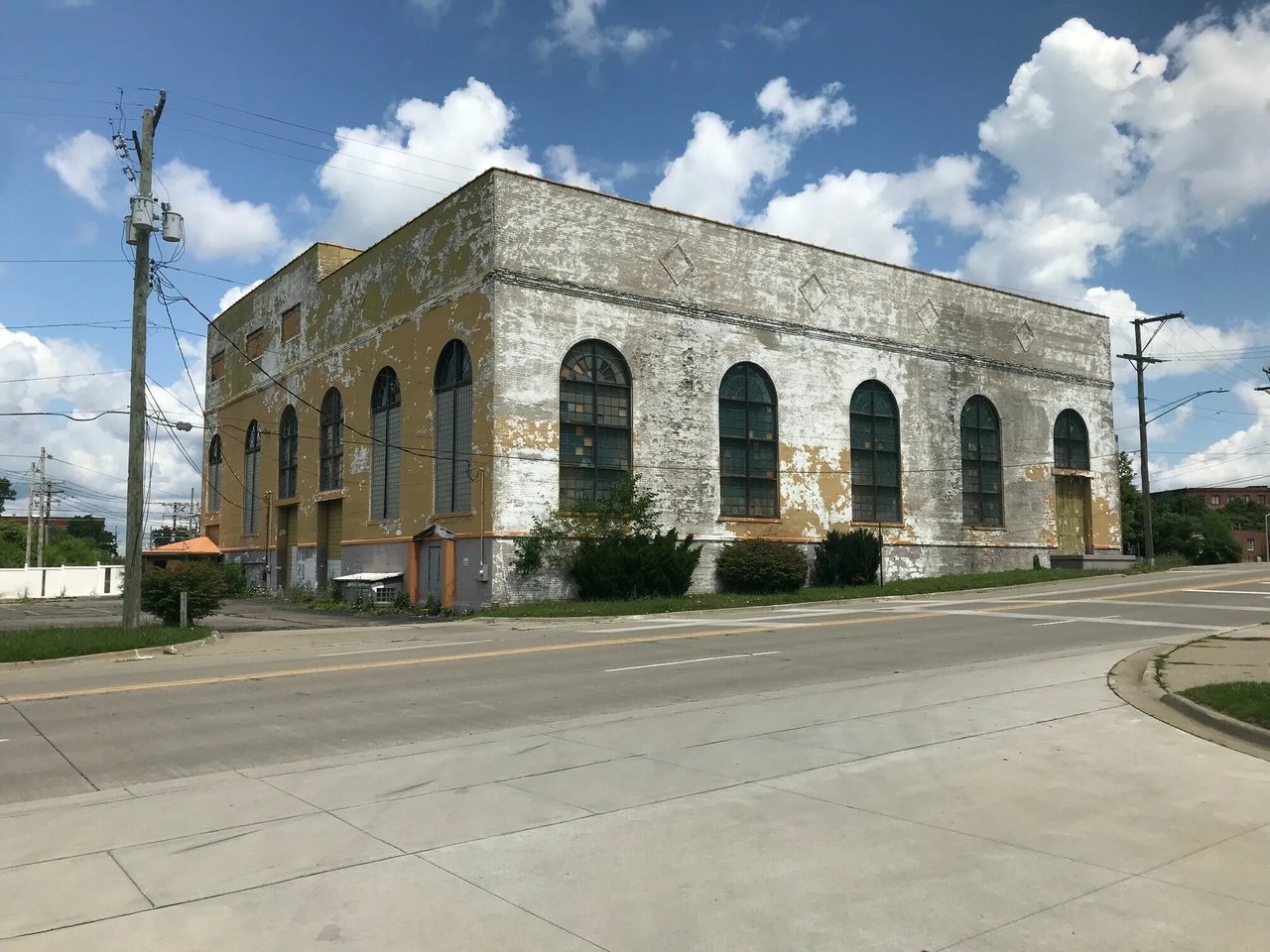
Historic buildings remain scattered throughout the community, reminders of the era when Pontiac stood among America’s great manufacturing centers.
Many former industrial spaces have since found new life through redevelopment, creative reuse, and community investment.
Why Pontiac’s Industrial History Still Matters
Today, many of Pontiac’s factories are gone.
But their impact remains visible across the city.
In the architecture.
In the neighborhoods.
And in the memories of the people who built their lives around the industry.
Pontiac’s industrial era built homes, schools, businesses, and entire communities.
Understanding that history helps explain how the city developed — and why its legacy still matters today.
Watch the Full Episode
This article accompanies the Pontiac Pulse episode exploring the rise of Pontiac’s industrial power years.
In the video, we dive deeper into the factories, the people, and the stories that helped shape one of Michigan’s most important manufacturing cities.
🎥 Watch the full episode: https://youtu.be/BGPa7kdoAP4