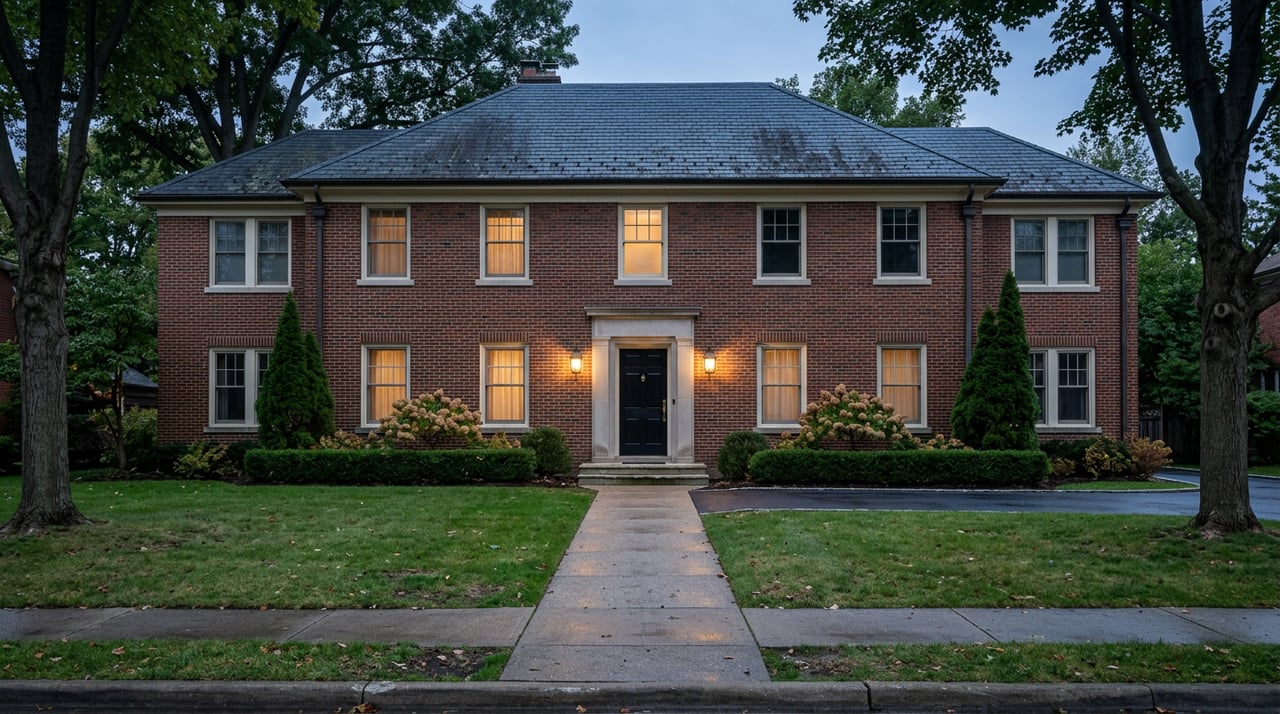
If you are preparing to list a Palmer Woods estate, you are not just selling a house. You are presenting architecture, history, and grounds that deserve careful handling. You likely want maximum value, minimal surprises, and a marketing plan that respects your privacy. In this guide, you will get a clear, step-by-step approach to timing, light-touch updates, staging for scale, documentary-style media, and discreet distribution options. Let’s dive in.
Know your Palmer Woods context
Palmer Woods is one of Detroit’s most celebrated historic neighborhoods, recognized on the National Register of Historic Places. The district spans about 188 acres and features roughly 295 early 20th-century homes in styles like Tudor Revival and Colonial Revival, with a landscape plan by Ossian Cole Simonds. You can read the official listing for the Palmer Woods Historic District to understand its significance.
The neighborhood also has a voluntary association that publishes resident resources and neighborhood guidance. Before you act on any exterior plans, get familiar with the Palmer Woods Association and its recommendations.
Pricing in Palmer Woods can vary widely. It is a low-inventory, architecturally distinct market where condition, provenance, and lot size weigh heavily on value. High-profile estates sometimes trade well above neighborhood medians, as coverage of trophy listings shows, such as the Fisher-family properties that attract statewide attention in outlets like the Wall Street Journal. When you are close to listing, rely on current MLS comps curated by a local broker rather than neighborhood medians alone.
Build your timeline
Seasonality still matters. Many markets see stronger buyer activity and faster sales in spring, with momentum often building by March. National guides report that April through June is traditionally advantageous for sellers. See the seasonal overview in Bankrate’s best time to sell a house for context, then tailor your date to local demand.
For a Palmer Woods estate, plan ahead. Stage interiors, tune up the grounds, and capture listing media when the property looks its best. Late March through May often pairs attractive light with fresh landscaping and can help exterior photos shine. If you prefer a quiet launch, discuss a phased plan that starts privately, then opens to broader channels.
Gather records and legal documents early
Michigan requires a Seller’s Disclosure Statement for most one-to-four unit residential properties. You must provide the statutory form to buyers before they sign a binding contract. Missing or late delivery can give a buyer the right to cancel. Review the statute and timing in the Michigan Seller Disclosure Act.
If your home was built before 1978, federal law also requires a lead-based paint disclosure, delivery of the EPA pamphlet “Protect Your Family From Lead in Your Home,” and a 10-day inspection opportunity unless waived in writing. Learn more about these requirements at the EPA’s lead-based paint disclosure rule page.
Because Palmer Woods is listed on the National Register, it is important to clarify what that means for you. Federal listing generally does not restrict a private owner’s ability to alter a property unless specific federal programs are involved. Local historic-district rules, when present, are handled by the city and can require design review. Before planning exterior changes, confirm current local rules and permitting needs. The National Register listing for Palmer Woods offers historical context.
Create a document package now so you are ready when a serious buyer appears. Include system service records, warranties, mechanical receipts, any preservation documentation, surveys or plats, and certificates for major systems like septic, elevator, or pool. For older estates, this file builds buyer confidence and reduces renegotiation risk later.
Light-touch updates that pay off
You do not need to overhaul a historic home to make a great impression. Small, strategic moves can lift perceived value without sacrificing character.
- Fresh neutral paint in key rooms.
- Upgraded or layered lighting, including dimmers and higher-CRI bulbs.
- Professional cleaning and minor repairs, such as trim, grout, and hardware.
- Decluttering and careful removal of highly personal items.
- Landscape cleanup, edging, mulch, and seasonal color to strengthen curb appeal.
- HVAC or boiler tune-ups and simple insulation checks where practical.
Outside, shape the arrival experience. Trim specimen trees, clean hardscape, and clear driveway lines and paths. Power wash steps and walkways. For many estates, the grounds sell the house, especially in twilight and aerial images.
Stage for scale and character
Prioritize the rooms that matter
Data from the National Association of Realtors shows that photos, videos, and virtual tours influence buyers. The most important staged rooms are the living room, primary bedroom, and kitchen. For estates, also prioritize the formal dining room, library or office, and any grand entertaining spaces. Outdoors is a major factor too. Review the NAR findings in the Profile of Home Staging and plan your staging before any photos are taken.
Make large rooms legible
Oversized rooms can look empty in photos if they are not anchored by scaled furniture. Use rugs to define zones like conversation, music, and reading. Group furnishings to show clear pathways and proportions. Add subtle human-scale cues, like a set tea service or an open book, so viewers can intuit size without the space feeling staged to excess.
Elevate the grounds and approach
Focus on the driveway sightline, gate or court lighting, and a groomed front walk. Stage terraces with appropriate outdoor furniture. Keep planting choices in character with the period of the home. The goal is to present a crisp, welcoming arrival that aligns with the architecture.
Visual marketing with discretion
Use a documentary-style narrative
Buyers for historic estates respond to authenticity. A documentary approach shows how rooms connect, highlights craftsmanship, and honors details like millwork, leaded glass, fireplaces, and architect provenance. This style pairs classic hero shots with a visual narrative that communicates flow and scale.
A strong Palmer Woods package often includes:
- Exterior hero image that shows the façade and immediate grounds.
- Twilight exterior to capture glow and ambiance.
- Aerial establishing shots to show the roof, lot, and context.
- Detail series of windows, hardware, stonework, and flooring.
- Flow frames that illustrate how principal rooms connect.
- A short cinematic walkthrough, plus 15–30 second social cutdowns.
- A 3D tour and a measured floor plan for remote buyers, which often increases engagement.
Drones done right
Any aerial imaging used for marketing must follow FAA rules. Hire an insured operator with a current Part 107 Remote Pilot Certificate, registered aircraft, and Remote ID compliance. You can review the FAA’s requirements for commercial operators at the FAA UAS portal. Ask your vendor for proof of credentials and insurance, and secure clear language on copyright and usage in the agreement.
Protect privacy in aerials and interiors. Exclude alarm panels, garage keypads, and visible codes from frames. Avoid capturing neighbors’ yards and license plates. Remove family photos and personal items before the shoot. If privacy is a high priority, have production vendors sign confidentiality agreements and remove address metadata from public images.
Privacy-first listing strategies
You have options if you prefer limited exposure. Recent updates to industry rules created explicit paths like office-exclusive listings and delayed or syndication-exempt marketing, which allow you to control when and how the listing appears publicly. Each option has trade-offs, since less exposure can reduce competition but increase privacy. For a clear breakdown, review this guidance on seller options and evolving MLS rules in NAR’s updated policy overview. Document your choice in writing with your broker and align showing rules to match.
Showings, security, and access
For high-value estates, consider private, pre-qualified showings rather than large public open houses. Require buyer-agent identification and proof of funds or pre-approval before tours. Maintain a showing log and remove small, portable valuables before each appointment.
If you expect heightened interest, discuss a short-term security plan during launch week. A discreet presence and clear showing windows can protect your schedule and the property while ensuring each viewing is meaningful and relaxed.
Pricing and launch strategy
Set price with care and context. Use recent closed sales of truly comparable estates, then adjust for lot size, historical significance, restoration level, and outbuildings. Do not rely on neighborhood medians for a grand-scale property. The right opening price can capture attention, justify your marketing, and frame negotiations in your favor.
Coordinate the launch and media release schedule so your narrative, images, and tour assets go live together. This creates a cohesive first impression across the MLS, broker networks, and any private channels you choose.
Your next step
If you want to list a Palmer Woods estate the right way, plan early, stage for scale, and tell the home’s story with care. You will save time, protect your privacy, and position your property for the right buyer pool. When you are ready to start, reach out to Christopher Hubel. Let’s Tell Your Home’s Story.
FAQs
What makes selling in Palmer Woods different?
- The neighborhood’s National Register status, architectural pedigree, and large lots make individual property condition and provenance more important than medians. Rely on fresh MLS comps and presentation that honors original details.
When is the best time to list a Palmer Woods estate?
- Spring often brings stronger buyer activity and photogenic grounds, with momentum starting in March. Align your launch with a fully staged home and finished media for best impact.
Which legal disclosures should Detroit sellers prepare for older homes?
- In most cases you need the Michigan Seller’s Disclosure Statement and, for pre-1978 homes, a federal lead-based paint disclosure, the EPA pamphlet, and a 10-day inspection window unless waived.
How should large historic rooms be staged for photos?
- Use scaled furniture, area rugs to define zones, and subtle human-scale cues. Prioritize the living room, primary bedroom, kitchen, and key formal rooms before listing photos.
Can I market my Palmer Woods estate privately and still sell well?
- Yes. Options include office-exclusive listings and delayed or syndication-exempt launches. These protect privacy but can reduce exposure, so document your choice and plan showings accordingly.