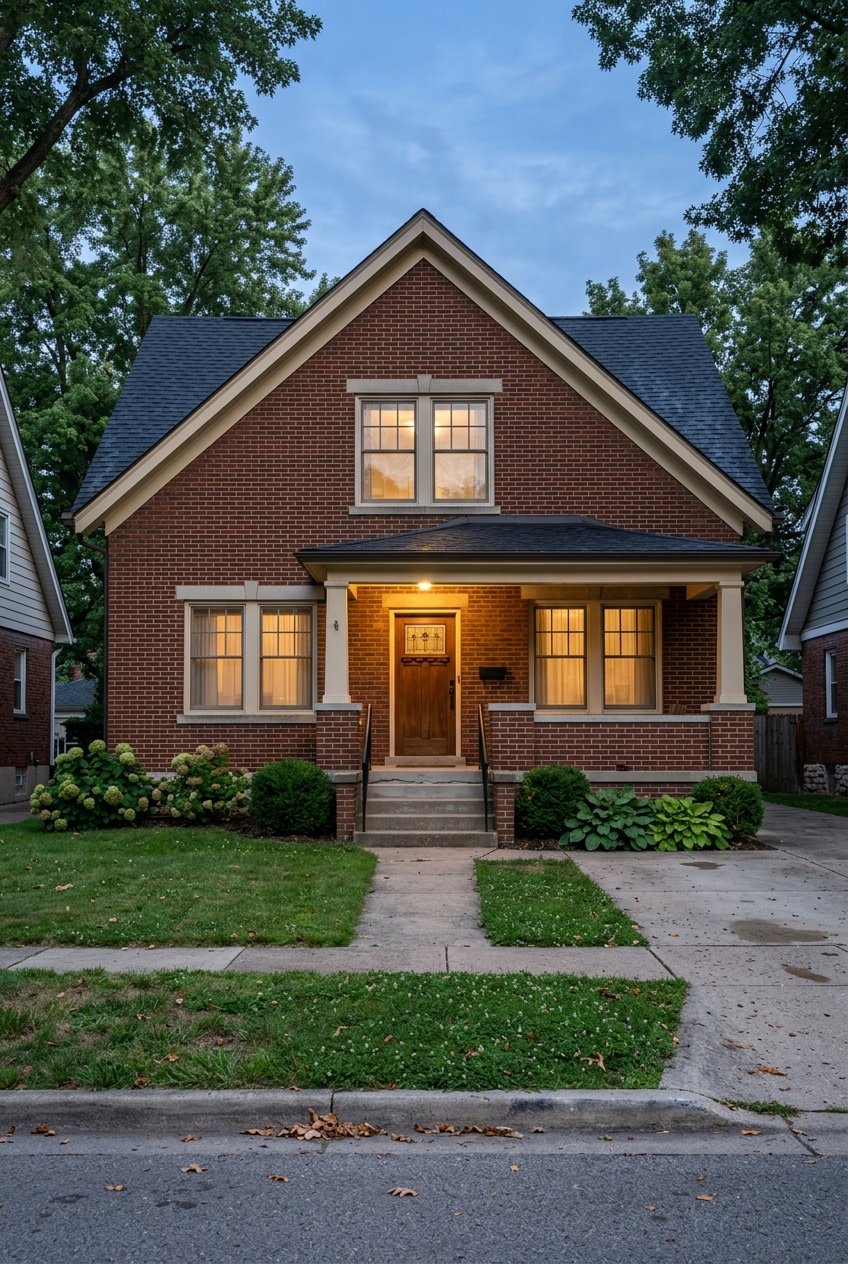
If you own a home in Boston-Edison, you are not just selling square footage. You are selling a piece of Detroit history, shaped by early 20th-century architecture, broad boulevard streets, and a neighborhood identity that still stands out today. That can be a major advantage, but it also means your sale needs the right mix of preparation, compliance, pricing discipline, and storytelling. Let’s dive in.
Why Boston-Edison’s history matters
Boston-Edison is a locally designated historic district in Detroit, established in 1974 and administered under the city’s historic district ordinance. The district covers 36 blocks and includes more than 900 homes, with most built between 1905 and 1925. That scale, along with the neighborhood’s medians, open-space pattern, and wide boulevards, gives the area a distinct identity that buyers can feel as soon as they arrive.
That historic identity is not just background color for your listing. It helps explain why buyers are often drawn to Boston-Edison in the first place. The neighborhood includes a wide range of home styles, from vernacular two-story houses to large mansions, with architecture that includes English Revival, French Provincial, Italian Renaissance, Prairie, and Vernacular influences.
The neighborhood’s history also adds depth to your home’s story. Boston-Edison is tied to Detroit’s auto and commercial past, and the area is associated with notable former residents including Henry Ford, James Couzens, Sebastian Kresge, Walter Briggs, Berry Gordy, and Joe Louis. When your marketing reflects that context in a factual, thoughtful way, it can help your home feel memorable instead of interchangeable.
Historic appeal starts before listing day
If you plan to sell, your preparation should begin with the outside of the home. In Boston-Edison, exterior work in the local historic district is reviewed by the Detroit Historic District Commission. The city says owners should confirm the property is in a local historic district, request project review, and then obtain a building permit if the work is approved.
This matters because unapproved exterior work is not a small issue. Detroit treats it as a violation, and unresolved violations stay with the property even if ownership changes. The city also states that unaddressed violations can complicate or prevent transfers or sales and may lead to fines, inspections, or stop-work orders.
Before you list, it is smart to review any past exterior changes and make sure the file is clean. If a prior owner replaced windows, changed paint colors, added fencing, installed security features, or altered exterior elements without approval, that issue may still affect your sale today. A proactive review can save you time and stress once buyers start asking questions.
Focus on the exterior details buyers notice
Historic homes often win buyers over with original character. In Boston-Edison, that usually means windows, masonry, trim, rooflines, and landscaping all working together to create a cohesive first impression. If those elements feel authentic and well maintained, your home is more likely to connect emotionally online and in person.
Windows deserve special attention. Detroit’s historic window guideline says repair is the first option, and replacement is reserved for cases where deterioration is severe or repair is not feasible. If replacement is approved, the new windows must match the original in design, color, texture, and, where possible, materials.
Paint also requires care. Detroit instructs applicants to submit proposed colors and diagrams, and says paint colors must comply with the color chart assigned to the property. If you are thinking about a refresh before listing, make sure the work aligns with city requirements rather than choosing colors based only on current design trends.
Security upgrades and site changes should be handled just as carefully. City guidance says new security equipment should be minimally visible from the public right-of-way and should not remove or damage character-defining features. For site improvements, Detroit generally prefers maintenance and in-kind repair, with more flexibility often considered in rear or less-visible areas.
Tell the right story in your marketing
A Boston-Edison home should not be marketed like a generic luxury listing or a standard city listing. The strongest approach is usually place-based storytelling grounded in the neighborhood’s real history and visual character. That means using the facts of the district to support the home’s appeal, not covering the property in vague buzzwords.
Your home’s story may include architectural style, period details, a long setback from the street, mature landscaping, or a relationship to the neighborhood’s boulevard layout. It may also include a renovation approach that respected original materials or preserved defining features. These are the details that help the right buyer understand what makes your house special.
The Historic Boston-Edison Association’s materials, including its brochure, photo gallery, and self-guided tour content, show how rich the neighborhood’s visual and historical language can be. For sellers, that is a reminder that strong marketing should do more than list room counts. It should frame your home as part of a larger Detroit story buyers want to join.
Staging should support the architecture
When you are selling a historic home, staging works best when it helps buyers notice the house itself. According to the National Association of Realtors’ 2023 Profile of Home Staging, 81% of buyers’ agents said staging made it easier for buyers to visualize a home as their future home. That is especially useful in a property where layout, woodwork, windows, and room scale may differ from newer homes.
The goal is not to make the home feel overdesigned. It is to create clean, calm spaces that let original features stand out. In Boston-Edison, that may mean simplifying furnishings around a fireplace, clearing visual clutter from window areas, or using understated decor so trim, plaster details, and natural light read clearly.
Try to keep each room focused on one clear purpose. Historic homes often have spaces that buyers may interpret in different ways, so thoughtful staging can help with understanding and flow. A clean dining room, defined sitting area, or uncluttered study can make the house feel easier to picture living in.
Photography can make or break first interest
Most buyers begin online, so your visuals do a lot of the early work. NAR has reported that listing photos are one of the most useful features in the online home search, and it also emphasizes the importance of the lead photo, photo order, and early online performance. For a home with historic appeal, those choices matter even more.
Before the photo shoot, clean, declutter, and simplify every frame. NAR notes that cameras magnify clutter and grime, and recommends opening blinds, removing distracting items, and keeping the home in show-ready condition. That advice is practical for any listing, but in Boston-Edison it also helps the architecture read cleanly on camera.
Your photo strategy should highlight the features buyers expect to see in a historic district home. That includes front elevation, windows, masonry, entry details, staircases, fireplaces, trim, and any exterior features that reinforce the home’s character. Updates should photograph as supportive details, not as distractions from the home’s original identity.
Pricing still matters in a buyer’s market
Historic charm can attract attention, but it does not remove the need for pricing discipline. Realtor.com’s April 2026 Detroit market overview described the city as a buyer’s market, with 4,702 active listings, a median listing price of $99,900, and a median 59 days on market. Citywide figures do not define every neighborhood, but they do suggest buyers may have options and may take time to decide.
That is why presentation and pricing need to work together. If your home is priced as though history alone will carry the sale, buyers may hesitate, especially if they also expect future maintenance or approval processes that come with a historic district. The best results usually come from pairing strong preparation with a listing strategy that reflects current conditions.
A well-positioned Boston-Edison home can still stand out. But it needs a launch that respects both the property’s uniqueness and the realities of the local market. That means accurate positioning, polished visuals, and a story that gives buyers a reason to act.
Questions to settle before you list
Before your home goes live, try to answer a few common buyer questions in advance. The more clarity you can offer, the more confidence buyers may have when comparing your home to other options.
Consider confirming these items early:
- Were any exterior changes made with required city review and approval?
- Are the windows original, repaired, or replaced, and do they match district guidance?
- If the home was repainted, were the colors selected in line with the city’s property-specific color chart?
- Were security features, fencing, or site improvements added in a way that fits city guidance?
- If there is an addition, does it relate appropriately to the existing structure as required by district standards?
These details may seem technical, but they support trust. Historic-home buyers often care deeply about stewardship, and even buyers who are new to older homes want reassurance that the property has been maintained thoughtfully.
Selling stewardship, not just style
The strongest Boston-Edison listings do more than show off beauty. They show care, continuity, and respect for what makes the home part of the district. Buyers are often responding not only to the house, but also to the feeling that it has been understood and presented with intention.
That is where thoughtful marketing can make a difference. When your sale combines historic awareness, clean compliance, strong visuals, and a clear narrative, you give buyers a fuller picture of value. In a neighborhood with this much identity, that extra depth can help your home rise above the noise.
If you are preparing to sell and want a strategy that respects both the history and the market, Christopher Hubel can help you position your Boston-Edison home with the kind of storytelling, presentation, and local guidance that today’s buyers notice.
FAQs
What makes Boston-Edison historic in Detroit?
- Boston-Edison is a locally designated Detroit historic district established in 1974. It covers 36 blocks, includes more than 900 homes, and is known for homes built mostly between 1905 and 1925, along with its boulevard layout and architectural variety.
Do Boston-Edison sellers need approval for exterior work?
- Yes. Detroit says construction, alteration, demolition, and site preparation within a local historic district require review and approval through the Detroit Historic District Commission.
Can a Boston-Edison homeowner replace historic windows before selling?
- Detroit’s guideline says repair is the first option. Replacement is typically reserved for severe deterioration or cases where repair is not feasible, and approved replacements must match the historic appearance.
Can paint colors affect a Boston-Edison home sale?
- Yes. Detroit says exterior paint colors must comply with the color chart assigned to the property, and applicants are asked to submit proposed colors and diagrams.
Can old violations affect the sale of a Boston-Edison home?
- Yes. Detroit states that unresolved violations for unapproved exterior work stay with the property, even after ownership changes, and they can complicate or prevent a transfer or sale.
How should you stage a historic Boston-Edison house for buyers?
- Keep the home clean, uncluttered, and visually simple so buyers can focus on original features such as windows, trim, fireplaces, masonry, and room proportions.
Why do listing photos matter when selling a Boston-Edison home?
- Most buyers start their home search online, and strong photos help your home make a strong first impression. Clear, well-sequenced images can help buyers notice the architecture and decide to schedule a showing.
Does pricing still matter for a historic home in Detroit?
- Yes. Even with strong historic appeal, pricing matters in a buyer’s market. Presentation, condition, and pricing discipline all play a role in attracting serious buyers.