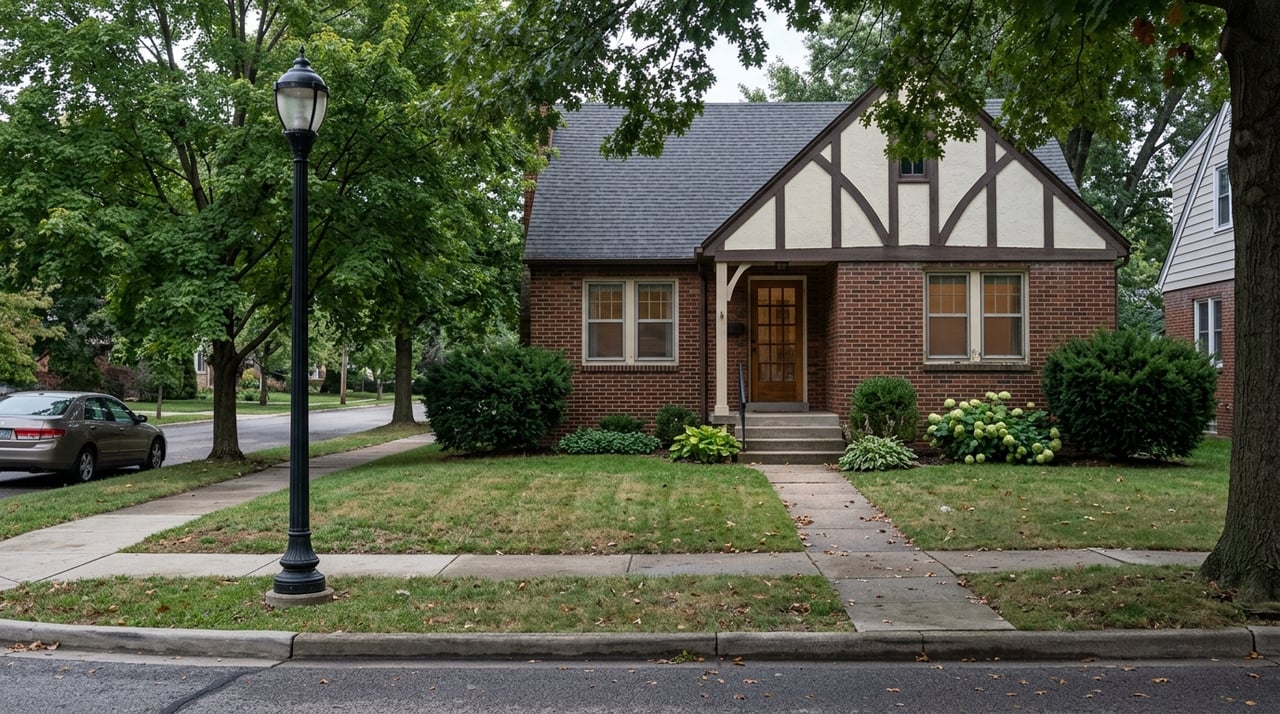
What makes one street feel unforgettable? On Vinsetta Boulevard in Royal Oak, it is not just the homes. It is the curve of the road, the old bridge sequence, and the layered history that still shapes how the street feels today. If you are drawn to neighborhoods with character, or you are thinking about buying or selling near Vinsetta, this guide will help you understand what is historic, what is simply beloved, and why that distinction matters. Let’s dive in.
Why Vinsetta Boulevard Stands Out
Vinsetta Boulevard has a storybook reputation in Royal Oak for good reason. The street feels different from a typical subdivision road, with a winding layout, a landscaped median, and a series of small historic bridges that give the corridor a memorable rhythm.
That setting traces back to the Vinsetta Park subdivision, whose plat was approved in August 1915. According to the city study materials on Vinsetta Boulevard, the name “Vinsetta” combined Vinton and Bassett, and the boulevard followed the old alignment of the Red Run waterway.
What Is Officially Historic
One of the most common questions about this area is simple: Is all of Vinsetta Boulevard historic? The short answer is no.
Royal Oak’s formal local historic district is the Vinsetta Bridges Historic District, adopted in 2024. Under the district ordinance, the designated area covers the Vinsetta Boulevard median from the Lawndale turnaround to the turnaround just before 12 Mile Road, including the four bridges and the open space between them.
That means the entire surrounding neighborhood is not the same thing as the official historic district. The broader Vinsetta Park area has a strong historic identity, but the formal designation applies specifically to the median and bridge corridor described by the city.
Why the Boulevard Curves
If you have ever driven Vinsetta and wondered why it meanders the way it does, the answer is rooted in the land itself. The boulevard follows the route of the former Red Run, a small waterway that once moved through the median.
The same city study report explains that the waterway was buried in stages in the late 1920s and again in the 1960s. Even after those changes, the original path still shaped the road’s alignment, which helps explain why Vinsetta feels more organic and less grid-like than many nearby streets.
The Four Bridges Define the Drive
A major part of Vinsetta Boulevard’s identity is its sequence of four single-lane cement bridges. These bridges sit at Mayfield, Greenleaf, Woodsboro, and Cedar Hill, and they were built before Royal Oak became a city in 1921.
That early construction is a big reason the corridor feels so distinctive today. Rather than functioning as a standard residential street, Vinsetta reads as a purpose-built boulevard with a ceremonial quality, even at a neighborhood scale.
Historic details added to that effect. A Royal Oak Historical Society summary notes that early boulevard lighting was part of the area’s identity, and later reporting described bridge lighting and conduit features that were damaged when the street was paved.
What Homes You’ll See Nearby
The boulevard may get the attention, but the surrounding neighborhood is just as important to how Vinsetta feels. Royal Oak’s master plan describes the Vinsetta Park area as having a broad mix of early 20th-century architecture.
If you walk or drive through the area, you may notice:
- Colonial Revival homes
- English Tudor Revival homes
- Dutch Colonial homes
- Arts and Crafts houses
- Early 20th-century bungalows
- American Foursquares
- Sears and Roebuck-style houses
For many buyers, Tudor and bungalow are the easiest shorthand. Still, the area is better understood as a varied historic residential neighborhood rather than a single-style enclave.
Why Vinsetta Feels Lived-In
Some historic areas feel preserved behind glass. Vinsetta does not. It reads as a real neighborhood first, with historic features woven into everyday residential life.
Royal Oak recognizes a Vinsetta Park Improvement Association among its neighborhood groups, which points to an active, resident-led identity. Nearby, the city’s master plan also references Marais Park just north of 12 Mile, noting its value as open space and a place used for sledding.
That combination matters. It suggests a setting where people are not just admiring history. They are living with it, maintaining it, and continuing the neighborhood’s story.
What Buyers Should Know
If you are shopping near Vinsetta Boulevard, the biggest practical takeaway is to understand where the historic district begins and ends. A home near the boulevard may benefit from the area’s visual character and name recognition without actually sitting inside the formally regulated district.
That distinction can affect your planning if you are thinking about future changes. According to Royal Oak’s Historic District Commission page, owners generally need a certificate of appropriateness before construction, alteration, repair, moving, excavation, or demolition within a historic district.
For buyers, a good checklist includes:
- Confirm whether the property is inside the formal district or simply nearby
- Ask what exterior work has been done and whether approvals were required
- Factor historic review into your renovation timeline if applicable
- Look at the streetscape as well as the house itself
If you love older homes, this is not a drawback. It is simply part of buying with clear eyes and a long-term plan.
What Sellers Should Know
If you own near Vinsetta Boulevard, the area’s value is not just architectural. It is narrative. Buyers respond to places that feel distinct, and Vinsetta has a clear sense of place grounded in visible features and documented history.
That said, precision matters. If your home is adjacent to Vinsetta, it is best to describe the relationship accurately rather than treating the entire area as one officially designated district. Trust builds when the story is compelling and correct.
For sellers, strong positioning often starts with:
- Identifying whether the property is in or near the formal historic district
- Highlighting architectural details that match the area’s early 20th-century character
- Showing how the home relates to the boulevard, bridges, and neighborhood setting
- Framing the location as part of a broader Royal Oak lifestyle with history and green space nearby
In a neighborhood like this, marketing works best when it respects both the facts and the feeling.
Why This Street Matters in Royal Oak
Royal Oak has 15 designated historic districts citywide, but Vinsetta stands apart because its identity is tied not just to homes, but to infrastructure and landscape. The median, the old watercourse alignment, the bridges, and the surrounding residential fabric all work together.
That is part of what makes Vinsetta Boulevard memorable. It is a corridor where city planning, early subdivision design, and neighborhood life still show up in the everyday experience of the street.
If you are considering a move in Royal Oak, or if you own a home with historic character and want to position it thoughtfully, working with someone who understands both the details and the story can make a real difference. Christopher Hubel brings a preservation-minded, narrative-driven approach to buying and selling homes across Metro Detroit.
FAQs
Is all of Vinsetta Boulevard in a historic district?
- No. Royal Oak’s formal historic designation covers the Vinsetta Boulevard median, four bridges, and the open space between them, not the entire surrounding neighborhood.
Why does Vinsetta Boulevard curve instead of follow a grid?
- The boulevard follows the former alignment of the Red Run waterway, which shaped the road’s winding path.
What home styles are common near Vinsetta Boulevard in Royal Oak?
- The area includes Colonial Revival, English Tudor Revival, Dutch Colonial, Arts and Crafts, bungalow, American Foursquare, and Sears and Roebuck-style houses.
What are the historic bridges on Vinsetta Boulevard?
- The corridor includes four single-lane cement bridges at Mayfield, Greenleaf, Woodsboro, and Cedar Hill.
What should buyers know about historic rules near Vinsetta Boulevard?
- If a property is within the formal historic district, exterior work may require review by Royal Oak’s Historic District Commission and a certificate of appropriateness.
What makes Vinsetta Boulevard feel like a real neighborhood today?
- An active neighborhood association and nearby green space, including Marais Park, help give the area an everyday residential feel rather than a museum-like atmosphere.