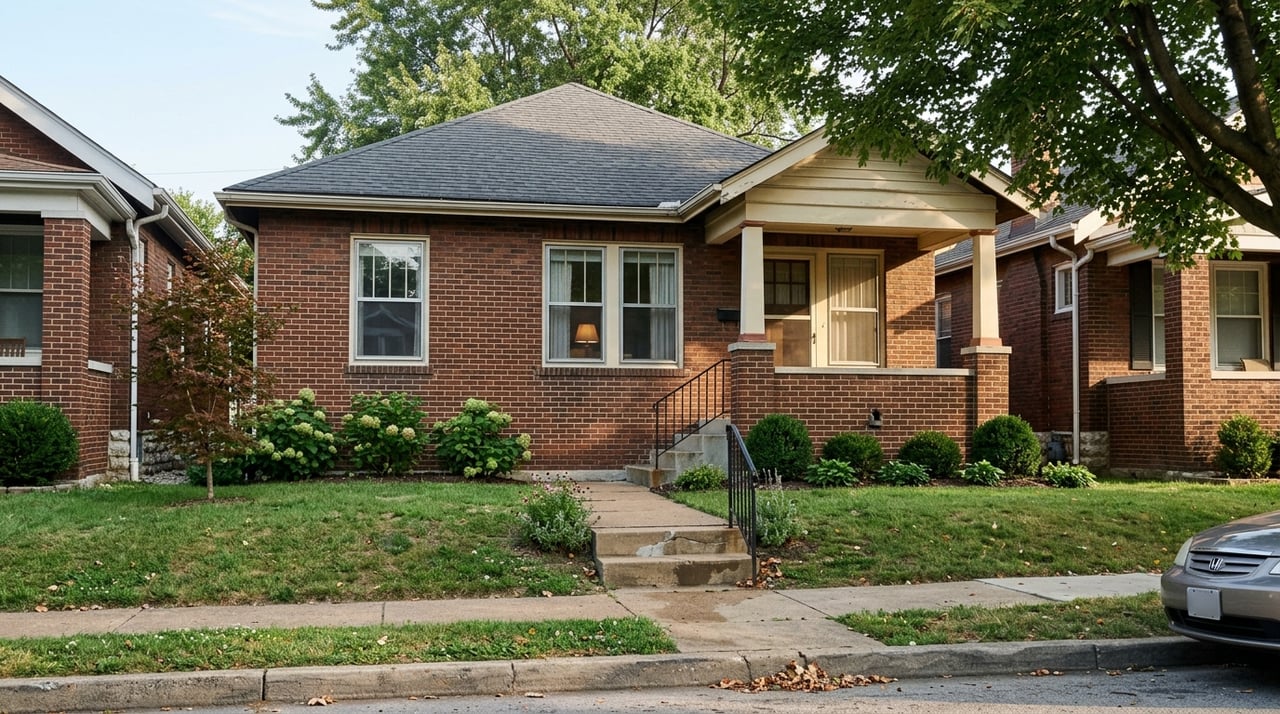
Ever wish a neighborhood could make a Saturday feel fuller without asking you to drive all over the city? West Village has that kind of rhythm. If you are drawn to historic streets, local businesses, pocket parks, and homes with real architectural variety, this east-side Detroit neighborhood gives you a lot to take in over just one weekend. Let’s dive in.
Why West Village Feels Different
West Village stands out because it feels layered instead of master-planned. The neighborhood is known as a historic district on Detroit’s east side, with boundaries that are often described a little differently depending on the source, but generally centered between Jefferson and Kercheval and Parker and Seyburn.
That flexibility in the map matches the feel on the ground. West Village reads as an urban residential district with long straight streets, street-facing buildings, and a mix of housing types rather than one repeated style.
The district was added to the National Register of Historic Places in 1980. Much of the building stock dates from about 1890 to 1920, including roughly 275 single- and two-family homes, 30 apartment buildings, and 20 commercial structures.
For you as a buyer or neighborhood watcher, that matters because the area offers more visual interest block by block. Architectural styles documented in the district include Queen Anne, Tudor, Colonial Revival, Mediterranean Revival, Georgian Revival, and Jacobean apartment forms.
How To Spend a Weekend Here
West Village works best when you experience it at a walking pace. The neighborhood association describes it as walkable, and the local mix of businesses supports an easy loop of coffee, browsing, errands, and outdoor time.
A simple weekend plan might look like this:
- Start with coffee or breakfast
- Walk a few blocks and notice the architecture
- Spend time in a garden or pocket park
- Head toward the river for a longer outing
- Circle back for brunch or a relaxed meal
That is part of the appeal here. You are not just visiting one destination. You are moving through a neighborhood that supports lingering.
Cafes and Bakery Stops
One of the easiest ways into West Village is through its food and coffee spots. Sister Pie describes itself as a bright corner bakery serving pies, cookies, breakfast, and lunch, making it a natural first stop for a weekend morning.
If coffee is the anchor of your routine, West Village has a couple of current options to build around. The Red Hook on Agnes and Washed Up Coffee at 8016 Kercheval both help shape the neighborhood’s weekend flow.
These places do more than serve drinks and pastries. They create the kind of foot traffic that makes a historic neighborhood feel active, local, and connected.
Brunch, Patios, and Lingering
For a longer midday stop, Two Birds adds a brunch and bar dimension to the area. Its current presence, along with the adjacent Third Bird space, shows how the neighborhood supports both daytime activity and after-hours energy.
One detail that matters is the shared outdoor patio. In a neighborhood guide, that patio helps explain why West Village feels social in a way that goes beyond storefronts alone.
There are places where people stop, stay, and gather. That outdoor spillover gives the block a courtyard-like rhythm, even in a city neighborhood defined by streets and historic buildings.
Small Businesses Add Texture
West Village is not just a dining strip. The neighborhood business directory includes places like Fauno Floral Atelier, Village Parlor, and other local retailers and service businesses.
That mix changes how the area functions for residents and visitors. Instead of a one-purpose destination, it feels like a compact neighborhood main street where daily life happens alongside weekend plans.
For homebuyers, this matters more than it may seem at first. A neighborhood with a mix of small businesses often feels easier to return to throughout the week, not just on special occasions.
Courtyards, Gardens, and Green Space
The name of this post really starts to make sense once you notice West Village’s smaller green spaces. The neighborhood’s green relief comes less from one large central park and more from gardens and pocket parks woven into the district.
The West Village Association lists Four Seasons Garden on Van Dyke as a volunteer-maintained garden with plants and flowers representing the four seasons. It is the kind of place that adds beauty at a neighborhood scale.
Joel Maxwell Park, located at Van Dyke Place and Seyburn, adds another layer. The pocket park includes trees, a playground, and picnic tables, giving the neighborhood a casual place to pause without leaving the area.
These spaces are part of what makes West Village feel livable. They soften the historic streetscape and support the slower, more observant pace that many buyers want in an urban neighborhood.
Riverwalk Access Expands the Weekend
If you want a bigger outing, West Village’s proximity to the Detroit Riverfront adds range to the day. The Detroit Riverwalk connects parks, greenways, and communities along the river and currently stretches just over four miles for nonmotorized use.
That means a neighborhood morning can turn into a longer walk, bike ride, or outdoor reset without much effort. The Riverwalk helps West Village feel connected to a larger recreational network, not isolated from it.
Erma Henderson Park adds more options nearby, including fishing and wildlife viewing, basketball and soccer courts, a playground, and a 2.5-acre public garden. For many buyers, access like this helps define lifestyle as much as square footage does.
Getting Around Without Overthinking It
Mobility is part of West Village’s appeal. The neighborhood has one of the few east-side MoGo stations, located on Agnes, and DDOT routes 5, 9, 67, and 80 run through the area.
That does not mean every resident will skip a car. It does mean the neighborhood supports more than one way to move through the city, which can make everyday life feel more flexible.
When a place offers walkability, bike access, and transit routes, your weekend can stay local and spontaneous. That convenience often becomes part of the long-term value of living there.
What The Housing Mix Feels Like
From a real estate perspective, West Village’s biggest strength may be its range. City historic district staff describe the area as an urban, medium-density district with houses, apartment buildings, and rowhouses on long straight streets, with buildings ranging from one to 11 stories.
That description helps explain why the neighborhood feels residential without feeling sparse. You get a block-level sense of home and scale, but with enough variety to make the area feel visually and functionally rich.
For buyers, that can open up more than one path into the neighborhood. Depending on your goals, you may be looking at a historic single-family home, a two-family property, an apartment building, a rowhouse, or newer residential development that fits into the district fabric.
Historic Character and Newer Development
West Village is often most appealing to buyers who value character. Because so much of the district was built in the late 19th and early 20th centuries, the neighborhood carries a level of architectural detail and variation that is hard to replicate.
At the same time, the area is not frozen in time. The City of Detroit highlights The Coe in West Village as a development that includes eight three-story townhomes and four apartment units over retail bays, showing how newer projects can fit within the neighborhood’s established scale.
That blend is important. It suggests that West Village can preserve its identity while still making room for contemporary housing choices.
What Buyers Should Know About Historic Rules
If you are drawn to a home here because of its exterior character, it is important to understand the historic district context. Because West Village is a historic district listed on the National Register of Historic Places, exterior changes require a Certificate of Appropriateness from the Detroit Historic District Commission.
For renovation-minded buyers, that is not a small detail. It can affect timelines, planning, and the way you approach improvements to curb appeal or building materials.
This is where neighborhood-specific guidance matters. If you are considering West Village, it helps to evaluate not just the home itself, but also what stewardship of that property may look like over time.
Why West Village Appeals to Different Buyers
West Village can speak to several kinds of buyers at once. If you love historic homes, the district offers architectural depth and a strong sense of place.
If you are more lifestyle-focused, the appeal may come from the everyday loop of bakery stops, coffee shops, small businesses, pocket parks, and riverfront access. If flexibility matters most, the mix of housing types can make the neighborhood worth a closer look.
That is often the difference between a neighborhood that is interesting and one that is truly livable. West Village gives you reasons to enjoy both the buildings and the blocks between them.
Seeing The Neighborhood As A Homebuyer
The best way to understand West Village is to notice how all the pieces work together. Historic architecture sets the backdrop, but the neighborhood’s appeal is really about rhythm.
You can grab coffee, browse a few local businesses, spend time in a garden, head toward the river, and return to streets that still feel residential at the end of the day. For many buyers, that combination is what turns curiosity into serious interest.
If you are exploring Detroit neighborhoods with character, walkability, and a strong sense of identity, West Village deserves a place on your list. And if you are thinking about buying or selling in a neighborhood where story and setting matter, working with someone who understands both can make all the difference.
Ready to make sense of West Village and the homes that shape it? Connect with Christopher Hubel and let’s tell your home’s story.
FAQs
What is West Village in Detroit known for?
- West Village is known for its historic-district character, varied architecture, walkable streets, local businesses, pocket parks, and access to the Detroit Riverfront.
What kinds of homes are in West Village Detroit?
- West Village includes single-family homes, two-family homes, apartment buildings, rowhouses, and some newer mixed-use residential development that fits the neighborhood’s historic scale.
What are popular weekend spots in West Village Detroit?
- Popular weekend stops in West Village include Sister Pie, The Red Hook on Agnes, Washed Up Coffee, Two Birds, Four Seasons Garden, Joel Maxwell Park, and nearby riverfront destinations.
What should buyers know about West Village historic rules?
- Buyers should know that exterior changes in West Village require a Certificate of Appropriateness from the Detroit Historic District Commission because the neighborhood is a historic district.
Is West Village Detroit walkable for daily life?
- West Village is described by the neighborhood association as walkable, and its mix of cafes, shops, services, green spaces, bike access, and transit routes supports day-to-day convenience.
How do you get around West Village Detroit?
- West Village includes a MoGo station on Agnes, and DDOT routes 5, 9, 67, and 80 run through the neighborhood, in addition to its walkable street layout.