Detroit Historic Neighborhoods
Corktown Homes for Sale
Corktown blends Detroit history with one of the city’s most recognizable neighborhood identities — where brick homes, adaptive reuse, and local energy all meet.
Detroit with identity
One of the city’s most recognizable historic neighborhoods
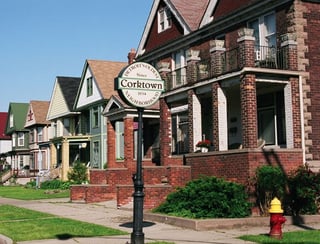
Corktown is Detroit’s oldest surviving neighborhood and one of its most distinct. The appeal comes from its mix of historic housing stock, walkable character, and a setting that feels deeply tied to the city’s story.
It remains a strong search for buyers who want neighborhood identity, older homes, and a location that offers both history and momentum.
Why Buyers Search Corktown
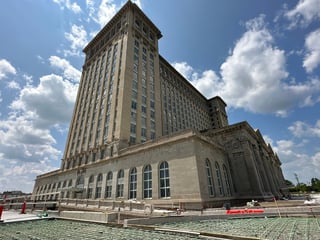
Corktown stands out for its architecture, walkability, and the way old and new continue to coexist in a way that still feels rooted.
Historic Housing Stock
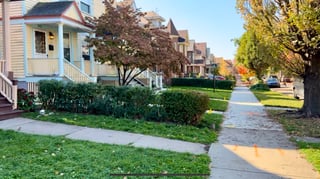
Brick homes, worker cottages, and preserved structures give the neighborhood a strong visual identity.
Walkable Urban Feel
A neighborhood where daily life, local businesses, and city energy feel close and connected.
Long-Term Appeal
For buyers who want Detroit character and strong neighborhood recognition, Corktown stays near the top of the list.