AUGUST 2026 MARKET REPORT
Detroit
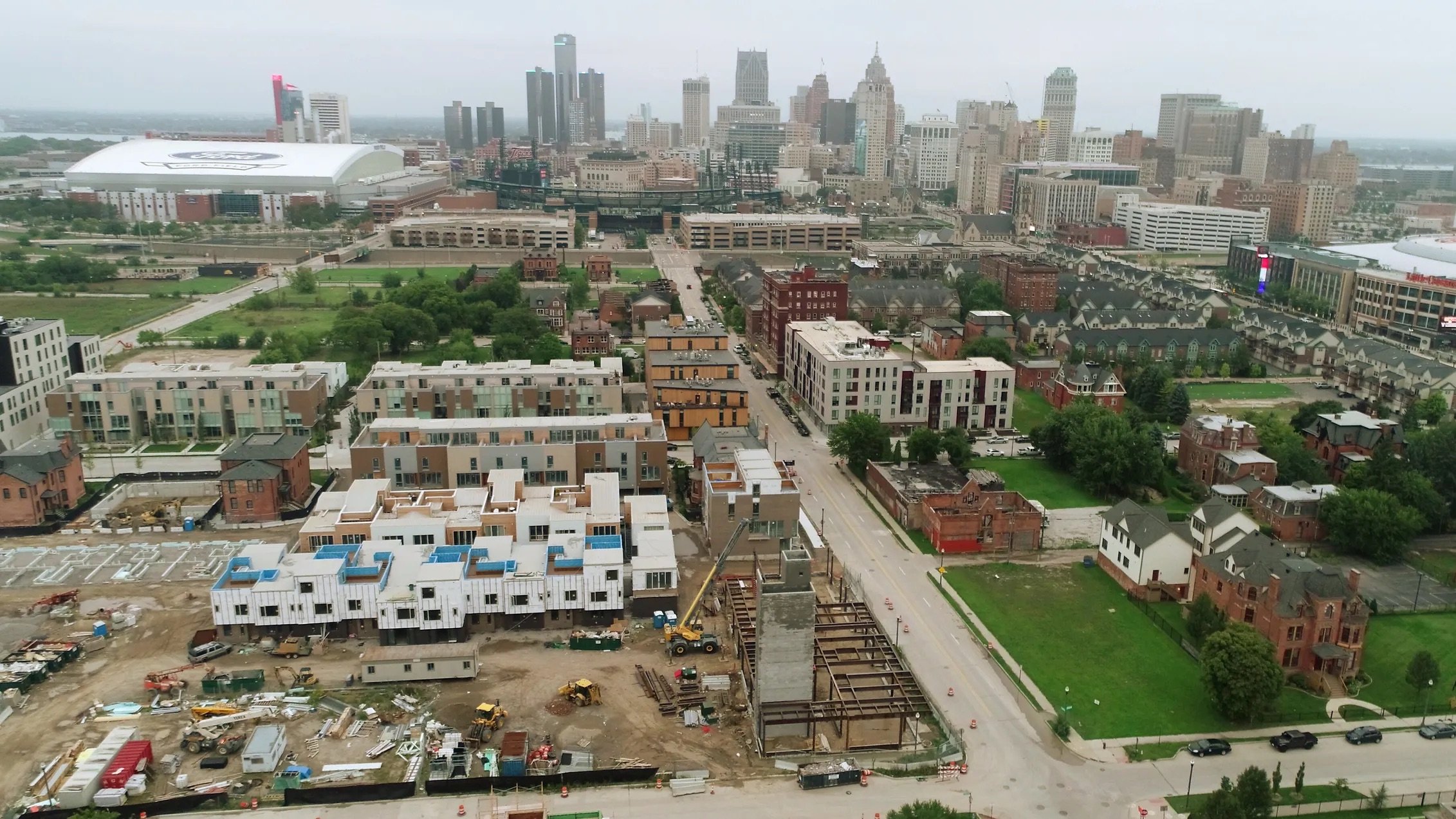
Citywide prices are relatively steady, but sales volume is lower and buyers are taking more time. Neighborhood-level context matters enormously in Detroit.
View Detroit Report →MICHIGAN MARKET DATA
Explore local housing trends across Detroit, Pontiac, Birmingham and the communities around them — with the context needed to understand what the numbers actually mean.
HOW TO READ THE MARKET
Market statistics are useful. But real estate happens one neighborhood, one street, and one property at a time.
Inventory, average sale price, days on market, list-to-sale ratio, and buyer demand can tell us how a market is moving.
What those numbers cannot tell you by themselves is why one Boston-Edison house performs differently than another, why Birmingham demand behaves differently than Pontiac, or why architectural quality and condition can dramatically change the value of two otherwise similar homes.
Use the numbers as context — not as the entire answer.
LOCAL MARKETS
A highly neighborhood-specific market ranging from grand historic districts and renovated city homes to emerging areas and architecturally significant properties.
Explore Detroit → 02 PONTIACOne of Oakland County's more accessible housing markets, with substantial historic inventory and enormous variation from neighborhood to neighborhood.
Explore Pontiac → 03 BIRMINGHAMStrong demand, established neighborhoods, walkability, teardown pressure, luxury construction, and valuable older housing stock.
Explore Birmingham → 04 OAKLAND COUNTYStrong buyer visibility, walkability, a broad housing mix, and continued demand from buyers seeking proximity to Detroit.
Explore Places → 05 EASTSIDELegacy housing stock, strong neighborhood identities, architectural character, and a wide range of established homes.
Explore Places → 06 WASHTENAW COUNTYStrong demand driven by employment, education and culture, with highly competitive established and historic neighborhoods.
Explore Places →FOR BUYERS
FOR SELLERS
BEYOND THE NUMBERS
A home's value is shaped by more than interest rates and quarterly sales statistics.
Architecture. Street character. Historic designation. Walkability. Renovation quality. Lot size. Nearby development. School districts. Community identity. Supply that may never be replaced.
That's why History Loves Company looks at real estate through both the numbers and the story of the place behind them.
AUGUST 2026 MARKET REPORT
Citywide prices are relatively steady, but sales volume is lower and buyers are taking more time. Neighborhood-level context matters enormously in Detroit.
View Detroit Report →AUGUST 2026 MARKET REPORT
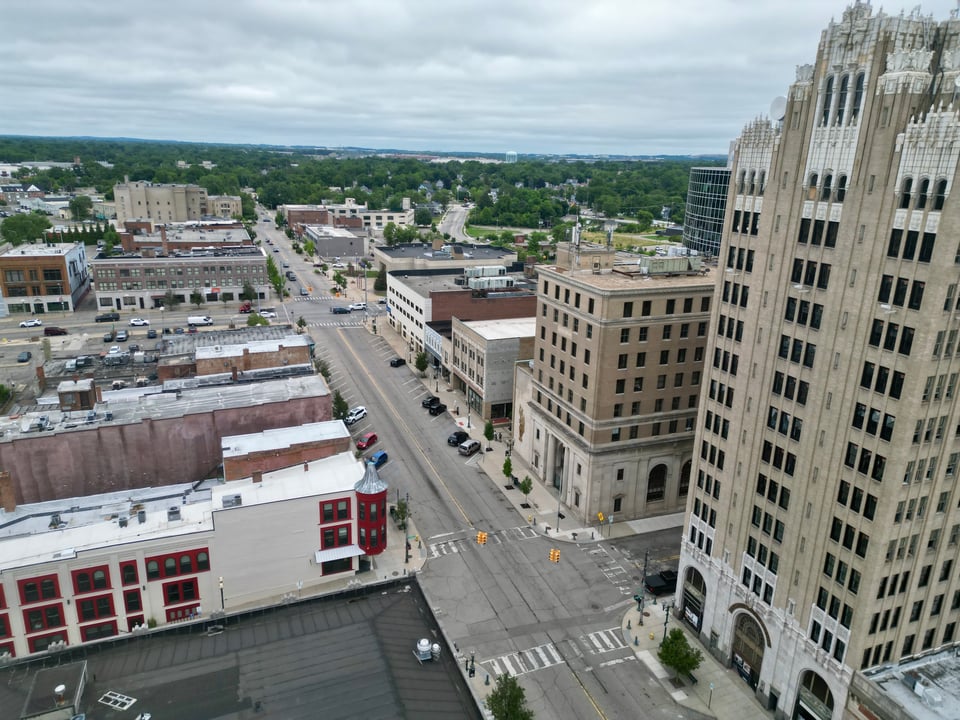
Pontiac has softened at the headline level, creating more room for patient buyers while making pricing, condition, and neighborhood increasingly important for sellers.
View Pontiac Report →AUGUST 2026 MARKET REPORT
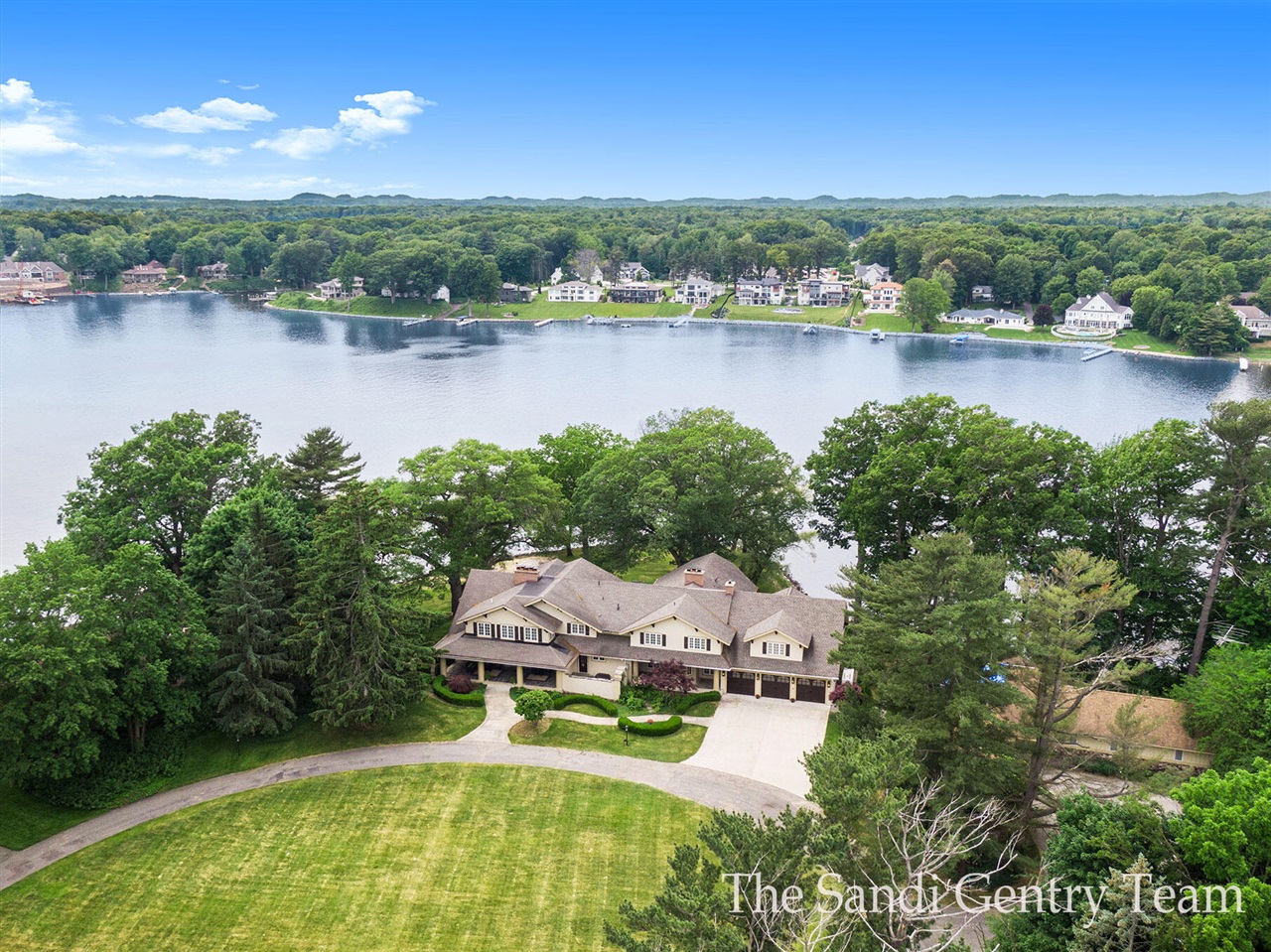
Birmingham continues to command premium pricing, with values up year over year and the typical sale closing essentially at asking price.
View Birmingham Report →AUGUST 2026 MARKET REPORT
Royal Oak remains highly active, with prices and sales volume both higher and the typical property still closing slightly above asking price.
View Royal Oak Report →AUGUST 2026 MARKET REPORT
City-level pricing has softened modestly, but Grosse Pointe's individual communities, architecture, and housing stock create very different submarkets.
View Grosse Pointe Report →AUGUST 2026 MARKET REPORT
Ann Arbor continues to show resilient demand, with both pricing and transaction volume higher and the typical sale closing above asking price.
View Ann Arbor Report →MOVE FROM DATA TO DECISIONS
Local focus
Explore historic districts, active listings, and neighborhood-specific context across Detroit.
View Detroit pageTrack change, opportunity, and neighborhood identity in one of the region’s most interesting markets.
View Pontiac pageSee how a refined, in-demand market behaves through listings, pricing, and local context.
View Birmingham page