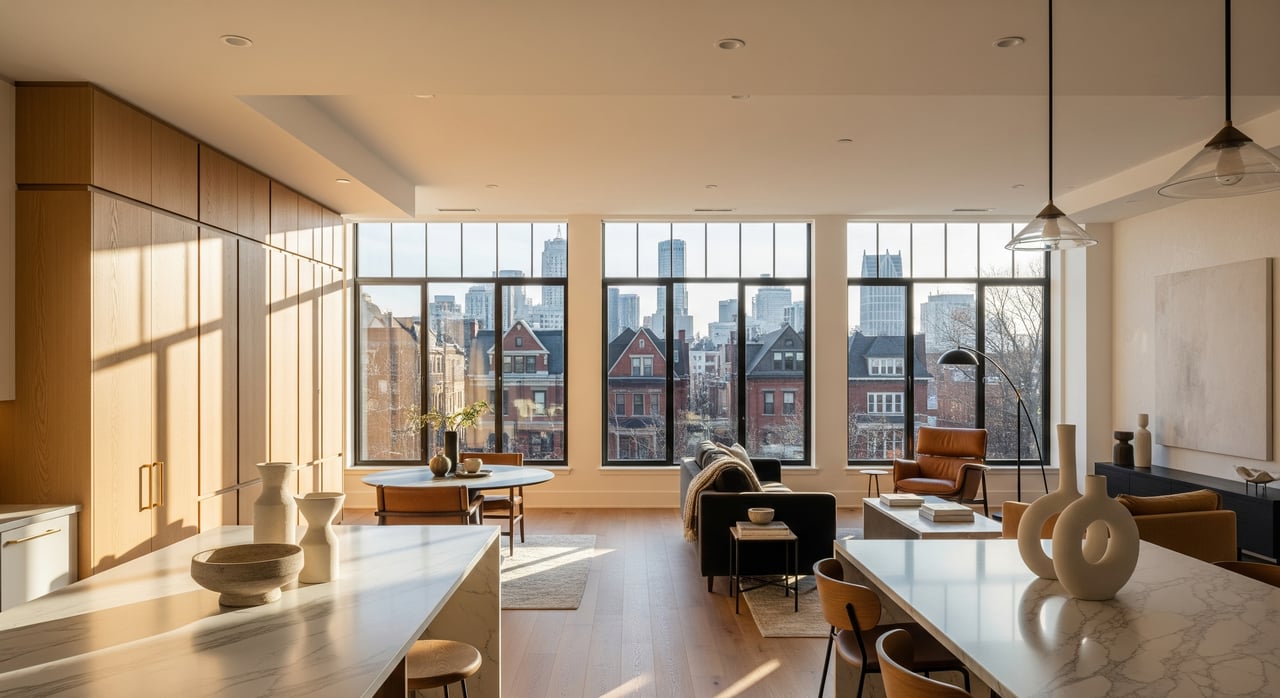
Thinking about a condo in Brush Park but not sure how it stacks up against Midtown or Downtown options? You are not alone. With historic mansion conversions alongside sleek new townhomes, Brush Park offers a mix that is exciting and a little complex. In this guide, you will learn how the neighborhood fits into Detroit’s condo landscape, what drives value, how inventory behaves, and what to watch in HOA documents and inspections. You will also get practical checklists to compare listings with confidence. Let’s dive in.
Where Brush Park fits
Brush Park sits just north of Downtown and east of Midtown, which puts you within short walking distance of major employers and cultural institutions in both areas. This location is a key reason buyers consider the neighborhood when they want an urban lifestyle with strong walkability.
The neighborhood has seen steady redevelopment since the 2000s. You will find a careful blend of preserved historic properties and new infill projects, including townhomes and smaller multi-unit buildings. Both large developers and smaller firms have delivered projects over the past decade, so the product mix is varied.
What you will find
Historic conversions
Many late 19th and early 20th century mansions have been converted into condos or reimagined as multi-unit buildings. Expect high ceilings, original woodwork, and detailed masonry. Renovation quality can vary, especially with mechanical systems and insulation, so due diligence is important.
New-townhome and low-rise condos
Recent infill projects deliver modern layouts, energy systems, and attached parking. Buyers who want new construction without a high-rise setting are often drawn to these homes. Warranties and newer systems can make maintenance more predictable.
Small mixed-use and infill buildings
You will also see smaller buildings with ground-floor retail or a limited number of condo units. Value here is often tied to location, views, and the financial health of the HOA.
Rental conversions and one-off units
From time to time, rental-to-condo conversions or scattered individual units hit the market. Because Brush Park is physically small, inventory can feel uneven. A few listings can shift the whole picture for a season.
Historic district basics
Brush Park is a designated historic district. Exterior changes usually require local review. That can include façade updates, window replacements, or additions. If you plan to renovate, confirm any historic commission review requirements and whether a property has a recorded preservation easement. This is not a blocker, but it adds steps, time, and sometimes cost.
Market basics and value drivers
How product type maps to value
- Historic conversions: Value often turns on distinctive features, size, quality of renovation, mechanical upgrades, and whether parking is included. Buyers here tend to prioritize character, generous rooms, and unique floor plans.
- New builds and townhomes: Value centers on modern plans, energy efficiency, garage or parking, and warranties. Buyers want predictable maintenance and the convenience of newer systems.
- Small low-rise units: Location, corner exposure, HOA strength, and amenities matter most. These can appeal to investors if rental rules allow.
Price bands and what moves the needle
Because Brush Park is small, dollar ranges shift as projects come online or resales appear. Think about value more than a fixed number:
- Entry tier: Smaller historic units or one-bedrooms often sit at the lower end within the neighborhood.
- Mid tier: Two-bedroom conversions and many townhomes usually land in the middle of the distribution.
- Premium tier: Full-floor historic residences, large renovated mansions, and high-spec new townhomes tend to command top-of-market prices.
Across all tiers, four factors pull the most weight: guaranteed parking, condition of interior systems, proximity to major employers, and the financial strength of the HOA.
Inventory and turnover patterns
Inventory in Brush Park can feel volatile. A handful of new units or one large resale can make months of supply jump. New development cycles create temporary waves of availability when presales close or developer releases hit the market. Seasonality still applies, with spring bringing more activity. Mortgage rate cycles also matter. Rising rates tend to slow buyer traffic and extend time on market.
Investor interest is part of the dynamic across Downtown and Midtown. Local condo rules may limit short-term rentals, so review rental policies early if income potential is part of your plan.
HOA documents to review
Do not skip the paperwork. The right documents will tell you how the building runs and where costs are headed.
- Declaration or master deed and CC&Rs
- Bylaws and rules and regulations
- Current operating budget and the last 12 months of financial statements
- Reserve study or capital plan
- Insurance declarations or master policy summary
- Meeting minutes for the last 12 to 24 months
- Pending or discussed special assessments and capital projects
- Litigation disclosures
- Unit ledger or statement of assessments
- Warranties for new construction and any construction defect disclosures
Red flags and what to read closely
- Who pays what. Clarify whether the unit owner or HOA covers roof, exterior walls, windows, HVAC, water lines, and foundations. Historic conversions sometimes split responsibilities.
- Reserve funding. Small HOAs can underfund reserves. If major work is coming and reserves are thin, expect special assessments.
- Rental and pet rules. These influence resale demand and investment potential. Short-term rentals may be restricted.
- Historic district constraints. Exterior work often requires approvals. Windows, masonry, chimneys, and porches are common review items.
- Developer control. In newer projects still in transition, developer boards may have different priorities. Minutes and budgets can show strain.
Inspections that matter
A standard home inspection is a must, and targeted specialists can pay off.
- Historic conversions: Look for deferred masonry work, flashing issues, older wiring types, potential lead paint or pipes in pre-1978 structures, and insulation and energy performance challenges.
- Building-level items: Roof, gutters, foundation, shared mechanicals, and the exterior envelope. A building envelope or masonry specialist can be valuable for older brick mansions.
- Elevators and life safety: Confirm certificates and service records.
- Insurance and parking: Verify that insurers will cover the building type and confirm deeded or assigned parking in writing.
How to read a Brush Park listing
Quick comparison checklist
- Legal description. Make sure the unit being offered matches the deed and survey.
- HOA fee and coverage. Look for specifics like water, gas, exterior insurance, reserves, snow removal, and landscaping.
- Taxes and assessments. Ask for seller and HOA disclosures to identify any special assessments or unpaid dues.
- Parking. Confirm whether parking is deeded, assigned, or street-based, and whether it is included or sold separately.
- Square footage and ceiling height. Historic units can calculate area differently. Verify usable space.
- Disclosures. Look for notes on major repairs, historic easements, or pending litigation.
- Photos vs reality. Pictures are helpful, but always tour and inspect.
Brush Park vs Midtown and Downtown
- Product mix: Brush Park leans toward historic character and low-rise townhomes. Downtown adds high-rise towers. Midtown offers a broad mix plus walkable cultural assets.
- Price and amenities: Buyers often pay a premium in Brush Park for historic details or townhouse footprints. Downtown can command higher prices for tower amenities and direct access to major employment hubs.
- Resale dynamics: Downtown high-rises sometimes have larger buyer pools and more investor activity. Brush Park’s smaller, unique inventory can make comparable sales less predictable.
- HOA structures: High-rises often carry more amenities and higher fees. Brush Park townhomes may have lower fees but more variability in reserves and exterior maintenance responsibilities.
Negotiation strategy by property type
- Historic conversions: Use inspection findings around masonry, roofs, and windows to negotiate. Ask for maintenance records and reserve plans. Allow a longer contingency for specialized inspections.
- New builds and townhomes: Leverage warranty coverage and punch-list agreements. Confirm parking allocations and promised amenities are delivered before closing.
- All buyers: Bake HOA dues and potential special assessments into your total monthly cost. If rental flexibility matters, review leasing rules before committing.
Practical next steps
If you want character, a townhouse feel, or an urban address with real walkability, Brush Park deserves a close look. Start by narrowing your preferred product type. Then focus on the big value drivers that move pricing in this neighborhood: parking, mechanical condition, location, and HOA strength. Because inventory is small and can change quickly, track new releases and resales in real time and be ready to move when the right unit appears.
When you are ready to compare options or want to unpack HOA budgets and reserve studies, reach out for local guidance and a clear plan. To explore current opportunities and align your search with your goals, connect with Christopher Hubel. Let’s tell your home’s story.
FAQs
What sets Brush Park condos apart from Downtown towers?
- Brush Park leans toward historic conversions and low-rise townhomes with character, while Downtown offers high-rise buildings with tower-style amenities and larger HOAs.
Is Brush Park a historic district and how does that affect me?
- Yes, it is a designated historic district. Exterior changes typically require local review, which can add time and cost to renovations.
How do HOA fees in Brush Park compare to high-rises?
- Fees vary by building. High-rises often have higher dues tied to amenities, while townhomes may have lower fees but more variability in reserves and maintenance responsibilities.
What inspections should I prioritize on an older conversion?
- In addition to a standard inspection, focus on masonry, roof and flashing, electrical, potential lead concerns in pre-1978 buildings, and overall insulation and energy performance.
How fast do Brush Park condos sell and when should I shop?
- Timing can shift quickly because the neighborhood is small. Expect more activity in spring and slower traffic when mortgage rates rise.
Can I rent out my Brush Park condo or use it for short-term rentals?
- It depends on the HOA’s rental policy. Some associations limit rentals or short-term stays, so confirm rules early in your search.