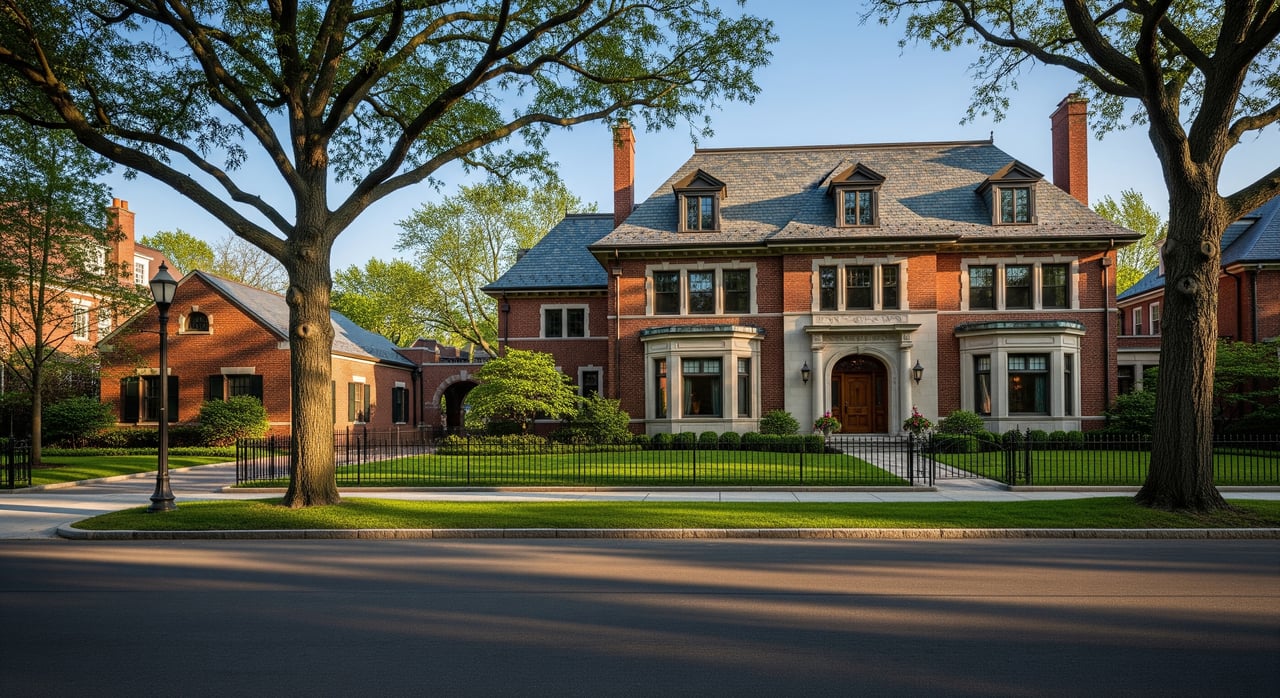
You can feel it the moment you turn onto Boston Boulevard: brick, stone, and century-old trees frame homes with stories to tell. If you are drawn to historic character and generous floor plans, Boston-Edison can be a great fit. Buying in a designated historic district does come with extra steps, but those steps protect what you love. This guide gives you practical, Detroit-specific advice so you can shop with confidence and plan a smart renovation. Let’s dive in.
Why Boston-Edison appeals
Boston-Edison is one of Detroit’s best-known historic residential districts, recognized on the National Register of Historic Places. You will find large early 20th-century single-family homes built for Detroit’s professional class, many with period finishes intact. Inventory tends to be limited and turnover slower than in many non-historic areas because these homes are fewer and often owner-occupied. Prices generally sit above much of the Detroit average thanks to architectural significance, lot sizes, and central location.
What makes it a historic district
Boston-Edison is protected by local historic-district rules. Exterior work visible from the street usually requires review and approval by the City’s Historic District Commission before building permits are issued. Interior work is typically not regulated, but you should confirm your specific scope with the City. If you plan exterior changes, contact the HDC early, review their design guidelines, and line up a contractor familiar with the process.
Exterior work that triggers review
- Window replacement or major repair visible from the street.
- Porch reconstruction, railings, columns, or steps.
- Masonry work such as repointing, rebuilding, or cleaning.
- Siding changes, roofing visible from the street, and new additions.
- Demolitions, new garages, site work, and prominent fencing.
Plan your timeline
Historic review adds a step before permits. Build in time for preparing drawings, submitting a Certificate of Appropriateness, and attending a hearing if required. Many projects can be approved at staff level if they match guidelines, while larger changes may require commission review. Start early to avoid delays once you are under contract or ready to begin work.
Architecture and lot patterns to expect
Expect a mix of Colonial Revival, Tudor Revival, Renaissance Revival, Arts & Crafts, and Prairie-influenced styles. Common features include steep or hipped roofs, generous porches, brick and stone masonry, leaded or stained glass, carved woodwork, plaster walls, and hardwood floors. Inside, you often see formal entry halls, multiple fireplaces, and built-ins. Lots are generally wide with consistent setbacks, sidewalks, and mature street trees, with alleys that serve detached garages or coach houses.
How to evaluate listings
Every Boston-Edison home sits somewhere on a condition spectrum. Knowing where a property falls helps you price renovations and plan your first year of ownership. Use the categories below to quickly assess fit for your timeline and budget.
Quick condition snapshots
- Pristine or fully restored: Updated systems, preserved historic finishes, and compatible modern improvements.
- Livable but dated: Serviceable kitchens and baths, many original finishes, and likely mechanical upgrades ahead.
- Major rehab: Structural, roof, or masonry issues; older systems like knob-and-tube wiring and galvanized plumbing; full finish restoration needed.
- Vacant or boarded: Higher-risk, larger-budget rehabs with longer timelines and more variables.
Due diligence and inspection checklist
Buying a historic home is part discovery and part planning. Build the right team and inspect with a preservation mindset.
Assemble your team
- Lender experienced with older homes, especially if you may use a renovation loan.
- Home inspector familiar with historic construction methods and materials.
- Specialty pros as needed: roofing, masonry, chimney, HVAC, electrical, plumbing, and pest.
- Preservation-savvy contractor or architect to advise on costs and HDC compatibility.
What to check during showings and inspections
Structural and envelope:
- Roof condition and age, including valleys and complex rooflines.
- Signs of water intrusion in the attic, chimney chases, basements, and around porches.
- Foundation settling or cracks and evidence of past repairs.
- Brick spalling and mortar erosion; repointing should match historic mortar.
- Porch structure, including posts and footings, for rot or sagging.
Systems:
- Electrical service capacity and any remaining knob-and-tube wiring.
- Plumbing supply and waste lines, especially galvanized or original cast iron.
- HVAC age, ductwork adequacy, and whether zones meet modern load needs.
- Insulation in attic and walls; many older homes have minimal insulation.
Historic fabric:
- Condition of original windows, interior woodwork, plaster, built-ins, and mantels.
- Repair potential versus replacement cost for windows and trim.
- Potential lead-based paint or asbestos; plan for testing and compliant abatement following legal renovation rules.
Legal and administrative:
- Permit history and any unpermitted additions or modifications.
- Property tax history, abatements, or special assessments.
- Easements, alley access, garage locations, and utility lines.
Red flags that impact price or timeline
- Significant foundation movement or widespread structural rot.
- Ongoing water intrusion, hidden mold, or compromised masonry.
- Full system replacements required if not in your budget or timeline.
- Unpermitted work that could trigger corrections or retroactive review.
- Exterior work that will need HDC review and potential redesign.
Budget rules of thumb
- Historic rehabs often cost more per square foot than standard remodels due to specialty trades and careful repair.
- Add a contingency of 10 to 25 percent to cover unknowns once walls open up.
- Budget for review cycles, custom or period-appropriate materials, and craftspeople skilled in historic techniques.
Renovation strategy that respects history
Start with the essentials that protect the house. Address water management and building envelope first, then upgrade electrical, plumbing, HVAC, and insulation. Preserve character-defining elements such as porches, windows, trim, and mantels when feasible. When you need to add space, keep additions compatible and subordinate to the original structure and use materials that harmonize with the existing house.
A repair-first mindset usually aligns with preservation goals and can be cost effective over time. Original wood windows, for example, may be candidates for restoration and weatherstripping rather than replacement. Inside, plan modern kitchens and baths that respect historic proportions and fabric where possible. Document your before-and-after work carefully to support future appraisals and resale.
Incentives, financing, and appraisals
Financial programs can change, so verify details during your planning phase. Federal historic rehabilitation tax credits typically apply to income-producing properties and certified projects, not most owner-occupied single-family homes. State or local incentives and abatements may be available depending on policy cycles. Local nonprofits and community programs sometimes offer targeted grants or low-interest loans for specific repairs like facades or lead safety.
Financing older homes can involve different underwriting. Renovation loans such as FHA 203(k) or Fannie Mae Homestyle may help you bundle purchase and rehab costs. Insurers will care about roof condition, electrical systems, and overall risk, so updated documentation can help. Appraisals may use comparables from other historic neighborhoods when local turnover is limited, which can create valuation variability; provide the appraiser with a list of unique features and any recent relevant sales.
Boston-Edison vs. other historic areas
If you are comparing options, you may also tour Indian Village, Palmer Woods, or Sherwood Forest. These neighborhoods share historic character, larger lots, and active neighborhood organizations. Differences often come down to block-by-block architecture, price per square foot, lot size, and house scale. Balance your desire for original detail against your appetite for renovation and your preferred streetscape.
Smart next steps
- Get pre-approved with a lender familiar with historic and renovation financing.
- Tour a range of Boston-Edison homes to calibrate condition and scope.
- Call the City’s Historic District Commission to learn submittal requirements and review timelines.
- Speak with the neighborhood association about community norms and initiatives.
- During due diligence, request seller disclosures, permit history, and recent utility and maintenance records.
- Line up specialty inspections for roofing, masonry, chimneys, and mechanical systems.
- Obtain written estimates from contractors for any major system or exterior work.
Whether you are ready for a full restoration or want a move-in-ready classic, a clear plan will help you buy with confidence and protect what makes Boston-Edison special. If you want a partner who understands historic fabric and modern market realities, reach out to Christopher Hubel. Let’s tell your home’s story with care and strategy.
FAQs
What does historic review mean for Boston-Edison exterior work?
- Exterior changes visible from the street typically require approval by the City’s Historic District Commission before permits are issued.
Are interior renovations in Boston-Edison regulated?
- Interior work is generally not regulated by the HDC, but confirm your specific scope with the City to be sure.
How should I approach original windows in a Boston-Edison home?
- Plan to evaluate repair options first, since preservation guidelines favor retaining character-defining elements when feasible.
How long can a Boston-Edison renovation take with reviews?
- Timelines vary by project size; allow time for preparing submittals, potential staff or commission review, and contractor scheduling.
Can I use a renovation loan to buy in Boston-Edison?
- Yes, products like FHA 203(k) or Fannie Mae Homestyle can bundle purchase and rehab costs if the property and scope qualify.
How do appraisals work when comparable sales are limited?
- Appraisers may reference sales in similar historic neighborhoods and will consider documented features and recent improvements.