Inside the Private World of Henry and Clara Ford
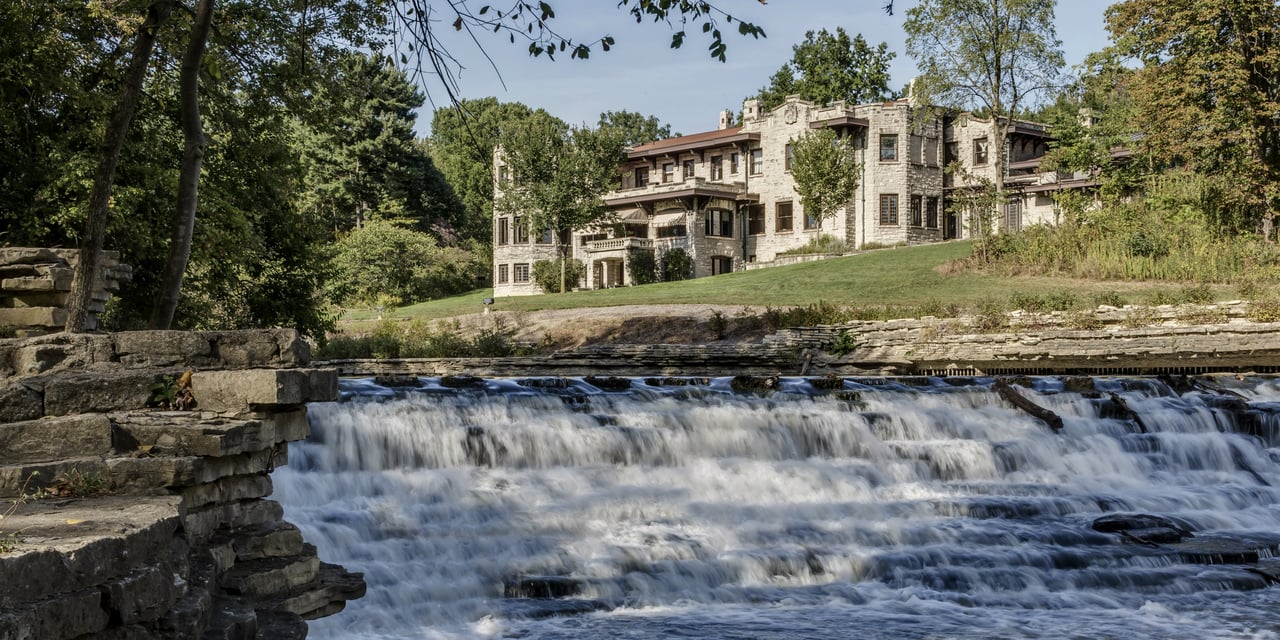
Along the banks of the Rouge River in Dearborn stands Fair Lane, the longtime home of Henry Ford and his wife Clara Ford.
Unlike the towering mansions built by many of Ford’s contemporaries, Fair Lane was never intended to impress the public. It was designed as a private retreat — a working home shaped by innovation, restraint, and a deep connection to nature.
Today, Fair Lane offers a rare look at how one of the most influential couples in American history actually lived.
The Origins of Fair Lane
Construction of Fair Lane began in 1913 and was largely completed by 1915, at a time when Henry Ford had already transformed the automobile industry through mass production and the Model T.
The estate spans over 1,300 acres at its height, stretching along the Rouge River and incorporating meadows, woodlands, and formal gardens. Rather than placing the house prominently on high ground, the Fords chose a site nestled into the landscape — emphasizing privacy and harmony with the environment.
The name Fair Lane reflects this philosophy: a place of calm, balance, and retreat from public life.
Architecture: A Home Built for Living, Not Display
The main residence at Fair Lane was designed by architect William Van Tine, who worked closely with the Fords to create a house that prioritized function and comfort over ostentation.
The architectural style is often described as English Cotswold–inspired, with:
-
limestone exterior walls
-
steeply pitched roofs
-
irregular massing
-
deeply recessed windows
The home contains over 30,000 square feet of living space — substantial, but notably restrained for a man of Henry Ford’s wealth.
Unlike many Gilded Age estates, Fair Lane avoids excessive ornamentation. Its strength lies in proportion, craftsmanship, and thoughtful integration with the surrounding landscape.
Interior Design and Innovation
The interior of Fair Lane reflects a blend of traditional craftsmanship and modern thinking.
Interior design contributions are widely attributed to Marion Mahony Griffin, a pioneering architect associated with Frank Lloyd Wright. Her influence is visible in:
-
geometric patterns
-
natural materials
-
custom furnishings
-
an emphasis on light and flow between spaces
Fair Lane was also a laboratory for innovation. The house featured:
-
hydroelectric power generated from the Rouge River
-
early central vacuum systems
-
advanced heating and mechanical systems
-
custom-built furniture and storage solutions
For Henry Ford, the home was as much a testing ground as a retreat.
Clara Ford’s Influence
While Henry Ford is often credited with Fair Lane’s innovations, Clara Ford’s influence is equally present throughout the estate.
Clara was deeply involved in:
-
the home’s layout and livability
-
musical spaces, including rooms designed for performance
-
hospitality and social gatherings
She was also known for her independent views and quiet philanthropy. Fair Lane reflects her desire for warmth, comfort, and refinement — balancing Henry Ford’s utilitarian instincts.
The Landscape: Jens Jensen’s Masterpiece
The grounds of Fair Lane were designed by renowned landscape architect Jens Jensen, one of the most influential figures in American landscape design.
Jensen emphasized:
-
native plantings
-
naturalistic meadows
-
winding paths
-
framed views of the Rouge River
Rather than formal European gardens, Jensen created landscapes meant to feel organic and timeless. His work at Fair Lane is considered one of his most significant commissions.
The estate’s landscape is not decorative — it is experiential.
Life at Fair Lane
Fair Lane functioned as both a family home and a place of retreat.
The Fords hosted:
-
close friends
-
business associates
-
cultural figures
But unlike many industrialists of the era, Henry Ford avoided lavish social spectacle. Life at Fair Lane centered on routine, curiosity, and quiet productivity.
It was here that Ford read, experimented, entertained selectively, and sought distance from the public persona that surrounded him.
From Private Estate to Public Landmark
After Henry Ford’s death in 1947, and Clara Ford’s in 1950, the future of Fair Lane shifted.
The estate was eventually transferred to University of Michigan, ensuring its preservation and public access. Over time, Fair Lane became:
-
a historic house museum
-
an educational resource
-
a preserved cultural landscape
Extensive restoration efforts in recent years have focused on returning the house and grounds to their original appearance while upgrading infrastructure for long-term preservation.
Why Fair Lane Matters
Fair Lane matters because it challenges assumptions about wealth, power, and legacy.
It shows:
-
restraint instead of excess
-
innovation embedded in daily life
-
architecture shaped by values, not status
More than a mansion, Fair Lane is a record of how Henry and Clara Ford chose to live — privately, deliberately, and in conversation with the natural world.
Watch the Full Fair Lane Video
This blog accompanies our in-depth video exploring Fair Lane’s architecture, interiors, landscape, and history.
🎥 The full Fair Lane video premieres tonight at 6:00 PM EST on YouTube.
The estate remains one of Michigan’s most important historic homes — not because of grandeur alone, but because of what it reveals about the people who built it.
Explore More Homes of Michigan
Fair Lane is part of Homes of Michigan, a weekly series exploring the most important historic homes across the state.
🕕 New Homes of Michigan videos premiere every Friday at 6:00 PM EST
Discover more at:
https://www.historylovesco.com