Michigan’s Grandest Historic Home — And the Legacy That Built a University
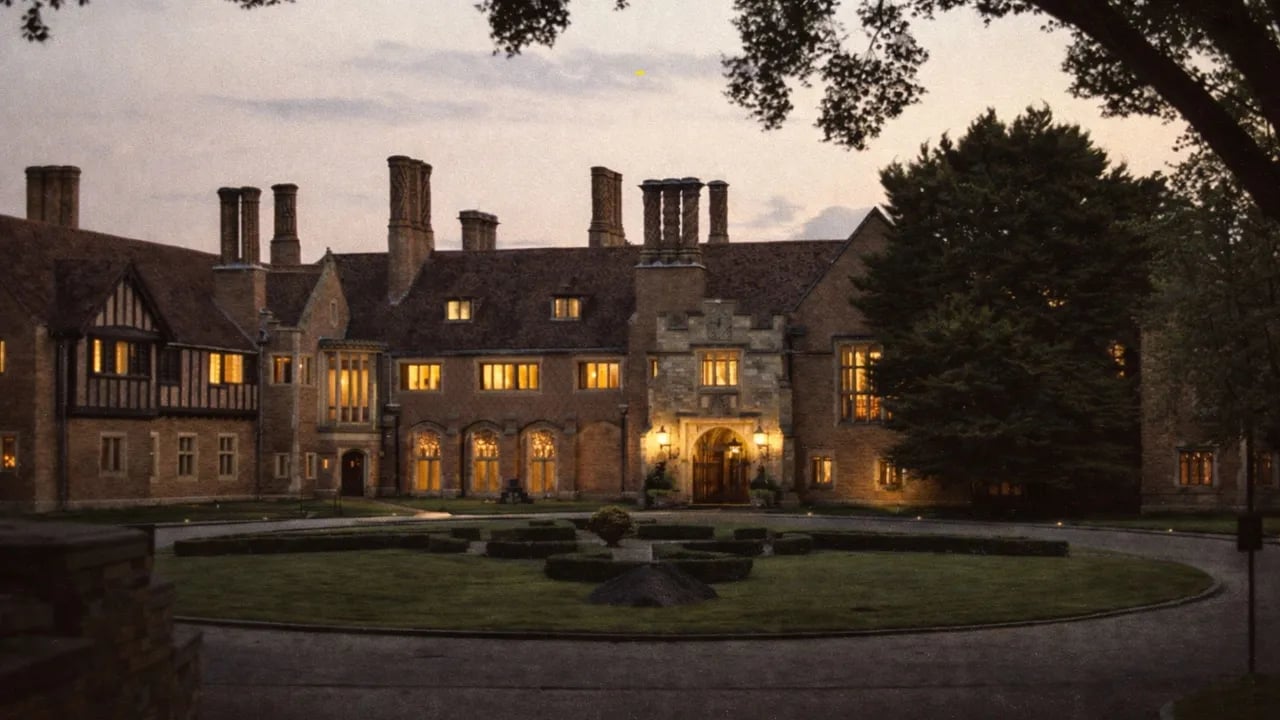
Tucked into the rolling landscape of Rochester Hills stands Meadow Brook Hall, one of the largest and most significant historic homes in the United States.
More than a mansion, Meadow Brook is the physical legacy of industrial wealth, architectural ambition, and one of the most consequential philanthropic acts in Michigan history. Its story is inseparable from the woman who built it — and from the educational institution that would grow from her vision.
The Woman Behind the Estate: Matilda Dodge Wilson
Matilda Dodge Wilson was not born into wealth, nor was she a passive beneficiary of it.
She became one of the richest women in America following the deaths of her husband, John Francis Dodge, and his brother Horace Dodge, the founders of Dodge Brothers Motor Company. By the early 1920s, Dodge Brothers was one of the most profitable automotive manufacturers in the world.
When the Dodge brothers died in 1920, Matilda inherited a fortune that rivaled the most powerful industrial families of the era.
Unlike many heirs of Gilded Age wealth, Matilda Dodge Wilson approached her fortune with long-term intent. She believed wealth carried obligation — particularly toward education, healthcare, and civic institutions.
Meadow Brook would reflect that philosophy.
Construction During a Turning Point in American History
Construction of Meadow Brook Estate began in 1926 and was completed in 1929, just months before the stock market crash ushered in the Great Depression.
The timing is critical.
Meadow Brook was one of the last great American estates built before large-scale private mansion construction effectively ended. Its completion marked the close of an era when industrial leaders expressed permanence through architecture rather than corporate branding.
Scale and Organization of the Estate
Meadow Brook Hall contains:
-
110 rooms
-
Approximately 88,000 square feet
-
Multiple interconnected wings
-
Formal gardens, terraces, and courtyards
-
Extensive service and staff areas
It is widely recognized as the fourth-largest historic mansion in the United States, behind only a small number of East Coast estates.
Despite its size, the estate was carefully planned to feel human in scale — a deliberate choice by Matilda Dodge Wilson, who favored comfort and livability over spectacle.
Architectural Design and Style
Meadow Brook Hall was designed by architect William E. Kapp of the prominent Detroit firm Smith, Hinchman & Grylls.
The home is primarily Tudor Revival, inspired by English country manors, but it incorporates a blend of architectural influences, including:
-
Gothic Revival
-
Jacobean detailing
-
Arts and Crafts craftsmanship
Exterior features include:
-
Limestone and brick construction
-
Steeply pitched slate roofs
-
Elaborate chimney stacks
-
Leaded and stained glass windows
-
Hand-carved stone ornamentation
The design emphasized durability and craftsmanship over trend, ensuring the estate would age gracefully.
Interior Craftsmanship and Materials
The interior of Meadow Brook Hall represents one of the finest collections of early 20th-century craftsmanship in Michigan.
Features include:
-
Extensive hand-carved wood paneling
-
Imported European stone fireplaces
-
Decorative plaster ceilings
-
Custom ironwork and hardware
-
Period furnishings curated by Matilda Dodge Wilson herself
Rooms were designed with specific social functions in mind — from intimate sitting rooms to grand entertaining spaces — but none were excessive for excess’s sake.
Even at its most formal, Meadow Brook remains restrained.
A Fully Functioning Estate
Meadow Brook was never intended to be a seasonal showplace.
It operated as a working estate with:
-
professional kitchens capable of serving large gatherings
-
staff quarters integrated into the structure
-
maintenance and utility systems designed for long-term use
-
agricultural and landscape operations supporting the property
This practical approach reflected Matilda Dodge Wilson’s belief that a home — no matter how large — should function efficiently.
Philanthropy as a Guiding Principle
Matilda Dodge Wilson’s legacy extends far beyond Meadow Brook Hall.
In 1957, she donated Meadow Brook Estate and thousands of surrounding acres to establish what would become Oakland University.
This gift:
-
laid the physical foundation for a major public university
-
preserved Meadow Brook Hall intact
-
ensured long-term public access to the estate
-
permanently linked private wealth to public education
Few American estates transitioned so completely — and successfully — into civic institutions.
Preservation and National Recognition
Meadow Brook Hall has been meticulously preserved and interpreted for the public.
In 2012, it was designated a National Historic Landmark, recognizing its national architectural and historical significance.
Today, the estate functions as:
-
a historic house museum
-
an educational and research resource
-
a cultural venue
-
a preserved example of early 20th-century estate life
Preservation efforts prioritize:
-
original materials
-
architectural integrity
-
historically accurate interpretation
Why Meadow Brook Matters Today
Meadow Brook matters because it represents:
-
the height of Michigan’s industrial wealth
-
the role of women in shaping philanthropy and education
-
architectural excellence at a monumental scale
-
the rare survival of a complete American estate
It also stands as evidence that preservation and public benefit can coexist — when long-term vision guides decision-making.
Meadow Brook as a Living Institution
Unlike many preserved estates, Meadow Brook is not frozen in time.
It continues to host:
-
tours and educational programs
-
lectures and research
-
cultural events
-
public engagement initiatives
Its continued use ensures relevance — and relevance ensures survival.
Experiencing Meadow Brook Through Homes of Michigan
To explore Meadow Brook is to understand:
-
Michigan’s industrial rise
-
architectural ambition
-
philanthropy as legacy
-
the transition from private estate to public institution
It is not just one of Michigan’s greatest homes — it is one of the most successful examples of how historic homes can shape the future.
Explore More Homes of Michigan
Discover more historic estates, houses, and architectural landmarks across the state.
Visit History Loves Company
https://www.historylovesco.com