A History Loves Company Original
At the far eastern edge of Long Island, where land gives way to the Atlantic, Montauk has always felt slightly removed from the rest of New York.
Wind-swept.
Exposed.
Strategic.
Long before Montauk became a summer destination, it was recognized for something else entirely: its value as a military stronghold. Over the course of the 20th century, the bluffs and open land near Montauk Point were transformed into one of the most significant coastal defense and radar installations on the East Coast.
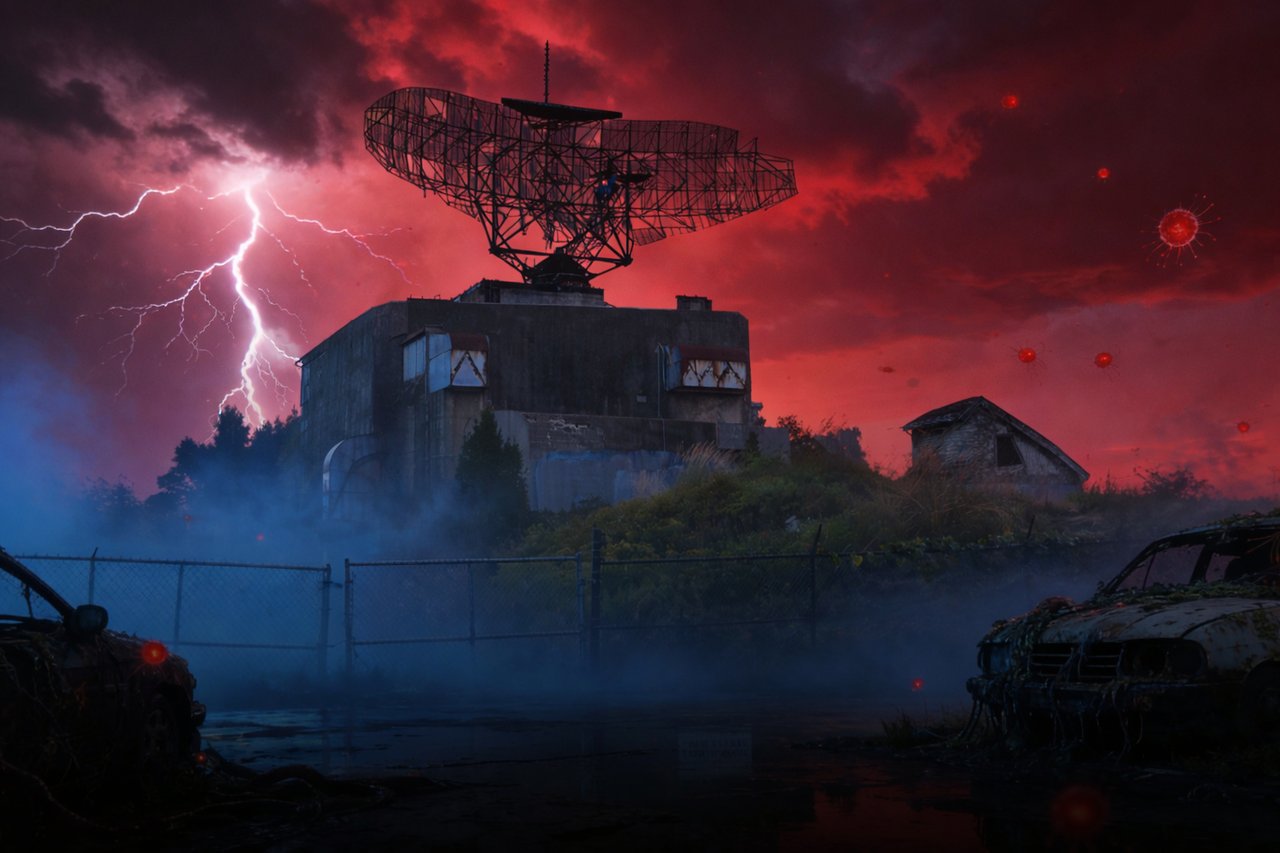
Today, that site is known as Camp Hero State Park — a place where concrete bunkers, radar towers, and abandoned military structures still stand, inviting both historical inquiry and speculation.
This is the documented history of Camp Hero, its architecture, its role in national defense, and how fact slowly gave way to folklore.
Montauk Point: Geography as Destiny
Montauk sits at the easternmost tip of Long Island, New York, overlooking major Atlantic shipping lanes and the approaches to New York City.
From a military perspective, the location offered:
-
clear sightlines across open water
-
early detection of approaching vessels or aircraft
-
isolation from dense population centers
-
direct control over coastal access
These geographic advantages made Montauk a natural choice for military development long before World War II.
Early Military Use of Montauk
Military presence in Montauk predates Camp Hero.
During the late 19th and early 20th centuries, the U.S. government constructed coastal artillery installations near Montauk Point to protect New York Harbor and surrounding shipping routes.
These early fortifications laid the groundwork for later expansion as warfare evolved from ship-based threats to air and missile detection.
The Creation of Camp Hero
Camp Hero was officially established during World War II as part of the United States’ coastal defense network.
Named after Major General Andrew Hero, Jr., a U.S. Army officer, the base was developed to support:
-
coastal artillery
-
anti-aircraft defenses
-
radar and communications systems
As technology advanced, Camp Hero transitioned from traditional artillery to radar-based surveillance — a shift that would define its most significant era.
Cold War Expansion and Radar Technology
Camp Hero’s most important role came during the Cold War, when fears of Soviet air and missile attacks reshaped American defense strategy.
During this period, Camp Hero became home to a massive radar installation, including:
-
the AN/FPS-35 radar system
-
large radar towers and domes
-
reinforced concrete bunkers
-
underground service areas
The FPS-35 radar, one of the most powerful of its kind, was designed to detect aircraft at extreme distances — sometimes hundreds of miles offshore.
Its sheer size required buildings that resembled industrial fortresses rather than traditional military barracks.
Architecture of Camp Hero
Camp Hero’s architecture reflects Cold War priorities: durability, secrecy, and permanence.
Key architectural features include:
-
thick reinforced concrete walls
-
windowless structures
-
blast-resistant design elements
-
utilitarian forms with no ornamentation
Many buildings were designed to house sensitive electronics and personnel while withstanding potential attack or environmental exposure.
The result is a landscape that feels both futuristic and archaic — a physical manifestation of Cold War anxiety.
Daily Life at the Base
Despite its imposing infrastructure, Camp Hero functioned as a working military installation.
Personnel stationed there included:
-
radar operators
-
engineers
-
communications specialists
-
support staff
Life at the base was largely routine, focused on monitoring radar screens, maintaining equipment, and conducting drills.
There is no documented evidence of experimental human testing or clandestine psychological programs conducted at Camp Hero during this period.
Decommissioning and Closure
By the late 1970s and early 1980s, advances in satellite technology and radar systems made installations like Camp Hero increasingly obsolete.
The base was officially decommissioned in 1981, ending nearly four decades of military use.
After closure, ownership of the land eventually transferred to New York State.
Camp Hero State Park Today
Today, Camp Hero operates as Camp Hero State Park, part of the New York State Parks system.
Visitors can explore:
-
former radar buildings
-
walking and biking trails
-
coastal bluffs and ocean views
-
remnants of Cold War infrastructure
While many structures remain fenced or closed for safety reasons, their presence continues to shape the landscape.
The park balances preservation with public access, allowing the architecture to stand as an educational artifact rather than a curated exhibit.
Folklore, Conspiracy, and Cultural Impact
Camp Hero gained renewed attention in the late 20th century due to conspiracy theories linking it to alleged government experiments, often referred to collectively as the “Montauk Project.”
These claims include:
-
time travel
-
mind control
-
secret underground facilities
It is important to note:
-
These claims are not supported by verifiable historical evidence
-
They emerged decades after the base’s closure
-
They persist largely through popular culture, books, and online forums
The site’s isolation, architecture, and Cold War secrecy created fertile ground for myth-making.
Camp Hero in Popular Culture
Camp Hero has influenced fiction and popular culture, most notably inspiring elements of television and literature that draw on Cold War aesthetics and conspiracy themes.
While these interpretations have expanded public interest in Montauk, they should be understood as fiction inspired by atmosphere, not documentation.
Why Camp Hero Matters
Camp Hero matters because it represents:
-
Cold War military architecture at full scale
-
the shift from visible defenses to invisible surveillance
-
how fear shaped the built environment
-
the thin line between secrecy and speculation
It also demonstrates how places outlive their original purpose — and how stories evolve once official functions end.
Exploring Montauk With Streets of History
In this Streets of History exploration, we examine:
-
why Montauk was militarized
-
how Camp Hero functioned
-
what the architecture reveals about its era
-
where documented history ends and folklore begins
Camp Hero is not a mystery base.
It is something more instructive: a physical record of how a nation prepared for a war that never came.
Explore More Forgotten Military and Industrial Sites
Streets of History Archive
Click HERE To Watch