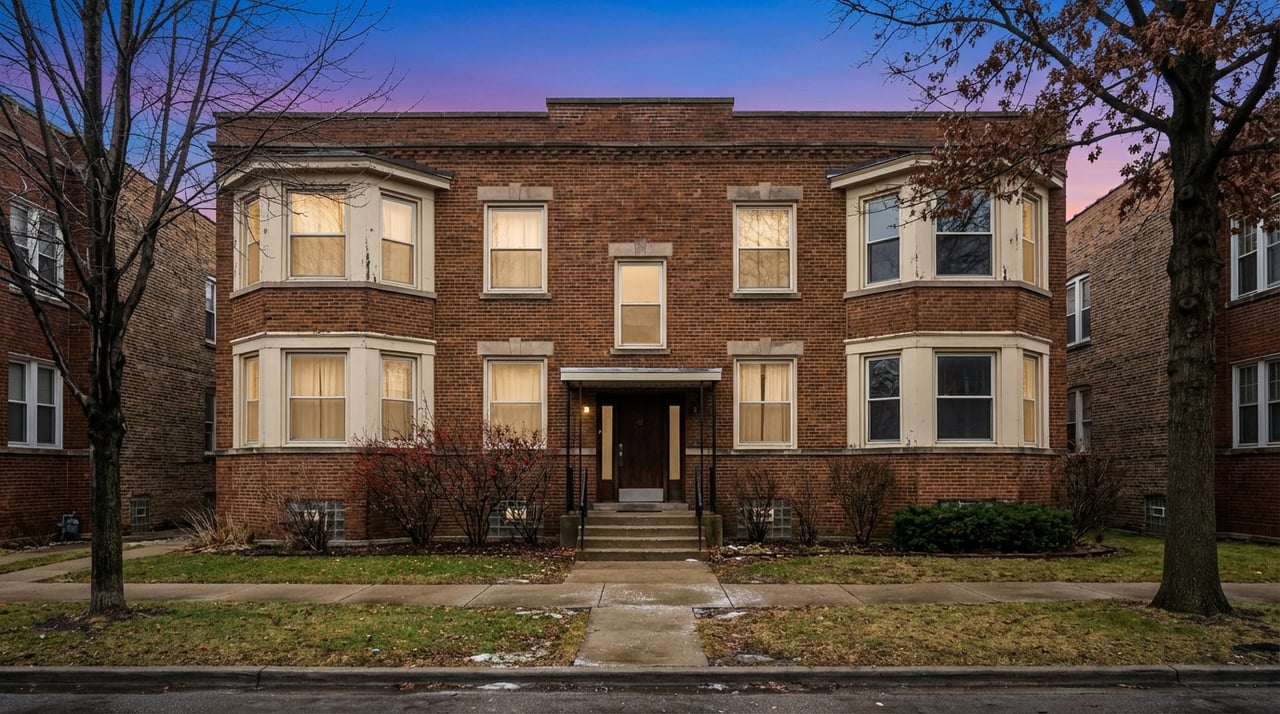
Dreaming of a historic Detroit flat with tall windows, original trim, and a neighborhood that still feels like a neighborhood? West Village might be your move. You want character without guesswork and a clear plan for inspections, permits, and price ranges. This guide gives you a buyer’s map to the housing types you will see, the signals the market is sending, what to look for during showings, and the rules that shape your project. Let’s dive in.
Where West Village sits
West Village sits on Detroit’s near east side, roughly between East Jefferson and Kercheval and from Parker to Seyburn. It is just west of Indian Village and north of the riverfront and Belle Isle corridor. The neighborhood is a designated local historic district and is listed on the National Register, which helps explain the intact streetscapes and why exterior work often needs review by the Historic District Commission. You can read a concise neighborhood overview and history from the Detroit Historical Society’s entry on the West Village Historic District.
Why historic status matters
Historic designation protects the look and feel that drew you here. It also means exterior changes usually require a Certificate of Appropriateness through the city’s HDC process. That review uses preservation standards to guide materials, window profiles, and porch details. The result is a neighborhood that holds its value visually, with clear expectations about what you can and cannot do to the exterior.
What flats you will see
West Village offers a compact but varied set of buildings. Historic sources describe about 275 single and two‑family houses, around 30 apartment buildings, and roughly 20 commercial structures. Most date from the 1890 to 1920 period and show Queen Anne, Colonial Revival, Tudor, and related styles. Here is how to read listings and showings by type.
Walk‑up flats and small apartments
These are brick or masonry walk‑ups and stacked flats built between 1905 and 1925. Units often have high ceilings, hardwood floors, original trim, and formal living and dining rooms. You usually enter from a shared stair. Contemporary renovations and new builds nearby show 1‑bed footprints around 600 to 900 square feet and 2‑beds around 800 to 1,400 square feet. For a local size and amenity benchmark, review unit plans and rents at The Coe at West Village. Buyer takeaway: shared systems are common, so verify how heat, hot water, and electric are divided, metered, and maintained.
Converted homes and duplexes
Many single houses in the district are now two flats, or they were built as two‑families with one unit per floor. Layouts are typically a lower flat and upper flat with living, dining, kitchen, and one to three bedrooms. Condition varies widely based on when and how they were converted. Some new‑construction townhouse or condo conversions in the area show 2‑bed, 2.5‑bath formats in the 1,100 to 1,700 square foot range. Buyer takeaway: ask for the permit history and any condo or rental documents to understand what was done, and when.
Modern infill and mixed‑use
You will also see small infill buildings and mixed‑use projects that add density at a neighborhood scale. A good reference example is The Coe on Van Dyke, which blends townhouses, apartments, and street‑level retail. Even new construction may be subject to HDC review, so treat exterior changes or additions with the same diligence.
Reading the market signals
West Village has low monthly sales volume, which means a few closings can swing the medians dramatically. Public portals often show different figures for the same time frame, so use them as directional only. Recent examples show how wide the spread can be: fully renovated historic houses have closed around the mid‑$600k range, while small converted properties or fixer duplexes have closed from the low‑$100s to the mid‑$200s. One notable example was a renovated home on Seyburn that closed near $635,000 in late 2025. Your best move is to anchor decisions to the latest MLS comps by block and building type.
What to check on showings
Historic buildings tend to charm at first glance. The inspection is where costs become clear. Use this checklist to focus your walk‑through and follow‑up.
Structure and envelope
- Look for stair‑step cracks in masonry, uneven or bouncy floors, and movement around chimneys or bays. Significant signs warrant a structural engineer’s review. For visual examples of common issues, see InspectApedia’s building guides.
- Check roof age, chimney and flashing condition, and any water stains in attics or upper ceilings. Older roofs and hidden flashing repairs are frequent near‑term expenses. A simple checklist like AmeriSave’s home inspection guide can help you organize questions.
- Ask for documentation of past tuckpointing and mortar type. Incompatible mortar can damage historic brick, so proof of proper work matters.
Systems and utilities
- Electrical: identify any remaining knob‑and‑tube or undersized service. Panel upgrades and proper clearances can add cost. Request permits and contractor records where possible.
- Plumbing and sewer: galvanized supply lines and cast‑iron stacks are common. Always order a sewer scope before you close. Hot water and heating equipment over 15 to 20 years old may need replacement soon. A list like AmeriSave’s inspection items is useful here.
- HVAC and meters: confirm whether units share a boiler or water heater and if gas, electric, and water are separately metered. Shared systems affect both operating costs and financing.
Health and materials
- Lead paint: anything built before 1978 triggers federal disclosure. If you plan to rent or if children will occupy the home, budget for testing and potential abatement. The EPA outlines what to expect in its guide, Protect Your Family from Lead in Your Home.
- Asbestos: often only a concern if you plan to disturb materials during renovation. Test before demolition. The InspectApedia library offers background reading.
Code and multi‑family safety
- Bedrooms must have compliant egress, and multi‑unit buildings can require fire separations and alarms. If a space was converted, verify it was permitted and inspected. Detroit’s landlord requirements outline general safety and compliance expectations for rental properties; you can review them in the city’s landlord and rental requirements guidance.
- Confirm separate meters where possible. Shared meters can complicate billing, leases, and financing.
Permits and HDC records
Because West Village is a local historic district, most exterior changes require HDC review and a Certificate of Appropriateness. Ask sellers for any past COAs, permits, and contractor invoices for roofing, masonry, windows, porches, or additions. HDC staff reports and decisions often include conditions that affect materials and costs. You can see examples of meeting notices and decisions on the city’s Historic District Commission page.
Rules that shape your plans
Before you fall in love with a porch or window idea, consider these three regulatory guardrails.
HDC approvals and timelines
Exterior work in West Village generally requires a COA. The HDC relies on preservation standards for guidance, so expect direction on window profiles, siding or trim materials, masonry repairs, porches, and additions. Build approval timelines into your schedule and budget for historically sympathetic work. The HDC publishes agendas and decisions that can help you anticipate outcomes. See the city’s HDC meeting portal for context.
Renting and compliance
If you plan to rent a unit or house‑hack, Detroit requires rental registration and a Certificate of Compliance tied to an updated 15‑point inspection. Confirm the property’s current registration and whether any code or blight violations exist. Operating unregistered rentals can lead to fines or limit legal remedies. Learn the process and access the city’s tools on the Certificate of Compliance page.
Environmental due diligence
Parcels near the East Jefferson corridor and the riverfront may have a history of industrial use. If that is the case for a target property or nearby site, check records related to brownfield remediation or active plans. The Detroit Brownfield Redevelopment Authority provides context and resources at the DBRA overview.
How to shop West Village
Use this five‑step plan to focus your search and avoid surprises.
Define your target building type. Decide whether you want a restored single‑family, a condo or townhouse, a small flat for owner‑occupancy, or a multi‑unit for rental. Each path has different financing and inspection priorities.
Track inventory, not headlines. Public portals can disagree on medians because the neighborhood’s low monthly volume skews the data. Use them for a quick scan, but anchor decisions to the latest MLS comps on the exact block and for the exact building type you want.
Request documents early. For any promising listing, ask for permit history, HDC COAs and meeting notes for the address, rental registration and Certificate of Compliance if applicable, and contractor invoices for big‑ticket work like roofing, masonry, electrical, plumbing, HVAC, and windows. Detroit HDC and BSEED records are public and can be revealing.
Order the right inspections. In addition to a standard home inspection, schedule a sewer scope, heating and boiler evaluation for multi‑unit or shared‑system buildings, and lead testing if built before 1978. A simple checklist like AmeriSave’s guide can help you plan. Use findings to negotiate credits, repairs, or price.
Consult the HDC before you design. If you plan exterior changes, get early feedback from staff or a preservation‑savvy architect. HDC conditions can affect cost and schedule, and early alignment saves time.
Who you need on your team
- Real estate agent with recent West Village experience and HDC familiarity.
- Home inspector who knows historic and multi‑unit buildings. A general framework like AmeriSave’s inspection checklist sets expectations.
- Licensed lead inspector or abatement contractor for pre‑1978 housing. The EPA’s lead safety guide explains requirements.
- Structural engineer if you see foundation issues, major wall cracking, or significant floor sag.
- Historic‑preservation architect or contractor who understands HDC standards and materials. See the city’s HDC information hub for process details.
- Real estate attorney to review title, any open violations, and how COA conditions transfer.
West Village in one glance
- It is both a local and National Register historic district with active exterior review. See the Detroit Historical Society’s West Village profile for context.
- Building mix explains the listings you see: about 275 single and two‑family houses, around 30 apartment buildings, and 20 or so commercial structures, mostly from 1890 to 1920.
- Prices vary widely by condition and type. Recent closings have ranged from the low‑$100s for smaller converted or fixer properties to the mid‑$600k range for restored historic homes. Always verify with current MLS comps.
- Renting brings extra steps. Confirm rental registration and Certificate of Compliance, and plan for lead clearance on pre‑1978 buildings using the city’s rental compliance program.
Ready to explore West Village with a clear strategy and a preservation‑minded plan? Work with a local advisor who pairs storytelling with practical due diligence and knows how HDC, inspections, and market comps work together. When you are ready to tour, negotiate, and close with confidence, connect with Christopher Hubel. Let’s Tell Your Home’s Story.
FAQs
What makes West Village different from other Detroit historic districts?
- It combines local and National Register designation, a concentrated mix of 1890–1920 architecture, and an active HDC review process that protects exterior character while guiding renovations.
How do I budget for historic exterior work in West Village?
- Build a line for HDC‑approved materials and lead times, especially for windows, porches, roofing, and masonry. Review past COAs and staff reports for the address to anticipate conditions.
What unit sizes are typical for historic flats in West Village?
- Many 1‑beds run about 600–900 square feet and 2‑beds about 800–1,400 square feet. Newer infill like The Coe lists plans in a similar range for comparison.
Why do online price medians for West Village vary so much?
- Low monthly sales volume means a few closings can swing the medians. Treat public figures as directional and use current MLS comps for your exact block and building type.
What inspections are essential for a historic flat or duplex?
- In addition to a full home inspection, order a sewer scope, electrical panel review, HVAC or boiler assessment for shared systems, and lead testing if built before 1978.
Do I need a Certificate of Appropriateness for interior work?
- The HDC primarily reviews exterior changes. Interior work still needs proper city permits and must meet code, especially for multi‑unit egress, fire separations, and life‑safety.
What should I verify if I plan to rent part of my property?
- Confirm rental registration, the property’s Certificate of Compliance status, and separate metering. Plan for lead clearance on pre‑1978 buildings and budget for maintenance and vacancy.
Are there environmental concerns near the riverfront and Jefferson corridor?
- Some parcels have industrial histories. Check DBRA and related records for brownfield remediation or active plans before you close.