
What should a nation keep?
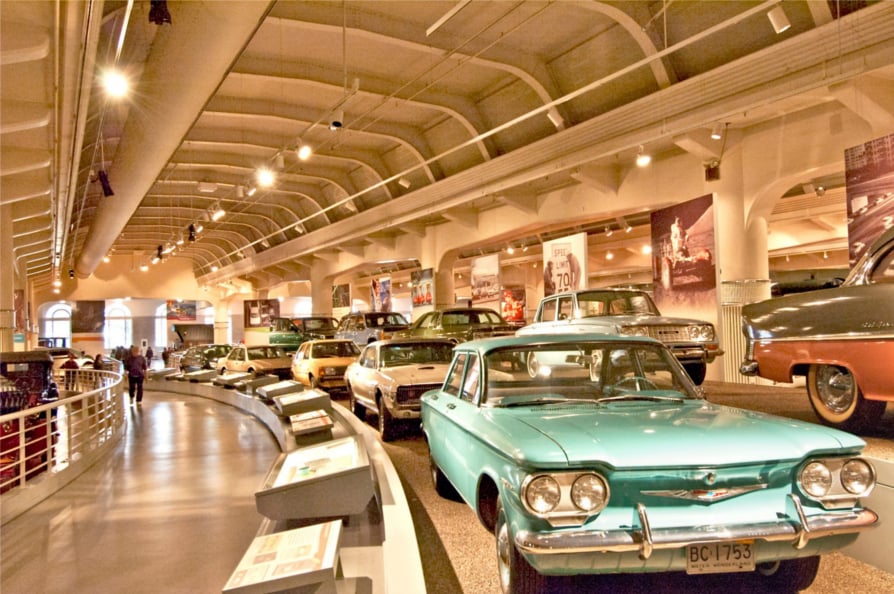
Inside The Henry Ford in Dearborn, enormous machines stand beside deeply personal objects. A presidential limousine, the bus where Rosa Parks refused to surrender her seat, early airplanes, farm equipment and household artifacts share one remarkable collection.
Together, they tell a version of American history built not only around famous people, but around invention, work, transportation, protest and daily life.
Watch Sunday’s History Loves Company film
Join History Loves Company on Sunday for a new tour through The Henry Ford and the stories preserved inside it.
Watch the Sunday premiere on YouTube →
Henry Ford becomes a collector
Henry Ford understood that the world being transformed by mass production was also losing the physical evidence of its earlier ways of life. He collected tools, machines, buildings, vehicles and ordinary objects on an extraordinary scale.
The museum and Greenfield Village grew from that preservation impulse. Historic structures were moved to Dearborn, while objects ranging from industrial machinery to domestic artifacts were assembled into a collection meant to teach through direct encounter.
History at full scale
The Henry Ford’s great strength is scale. Visitors can stand beside locomotives, aircraft and automobiles rather than experiencing them only through photographs. Their size makes the ambition—and cost—of American industry tangible.
But smaller objects can be just as powerful. A chair, bus seat or tool can collapse the distance between a national event and the individual person who experienced it.
History becomes harder to dismiss when you can stand in the same space as the object that carried it.
The Rosa Parks bus
The Montgomery city bus connected to Rosa Parks is among the museum’s most meaningful artifacts. It turns a familiar civil-rights story into a physical place. Visitors can enter the vehicle, consider its confined space and confront how an ordinary ride became an extraordinary act of resistance.
Preservation and its complications
No collection is neutral. Decisions about what to acquire, move, restore and display shape the history visitors encounter. Henry Ford preserved invaluable evidence of American life, but the museum also reflects the interests and worldview of its founder.
That does not diminish the collection. It makes the institution itself part of the story. Museums preserve history while continually reconsidering how that history should be interpreted.
A Michigan institution with a national story
The Henry Ford is rooted in Dearborn and the automobile industry, yet its reach extends across the country. Transportation, civil rights, agriculture, aviation, domestic life and technological change meet inside one institution.
It is a place worth revisiting because no single trip can contain it all—and because the questions raised by the collection continue changing with us.
