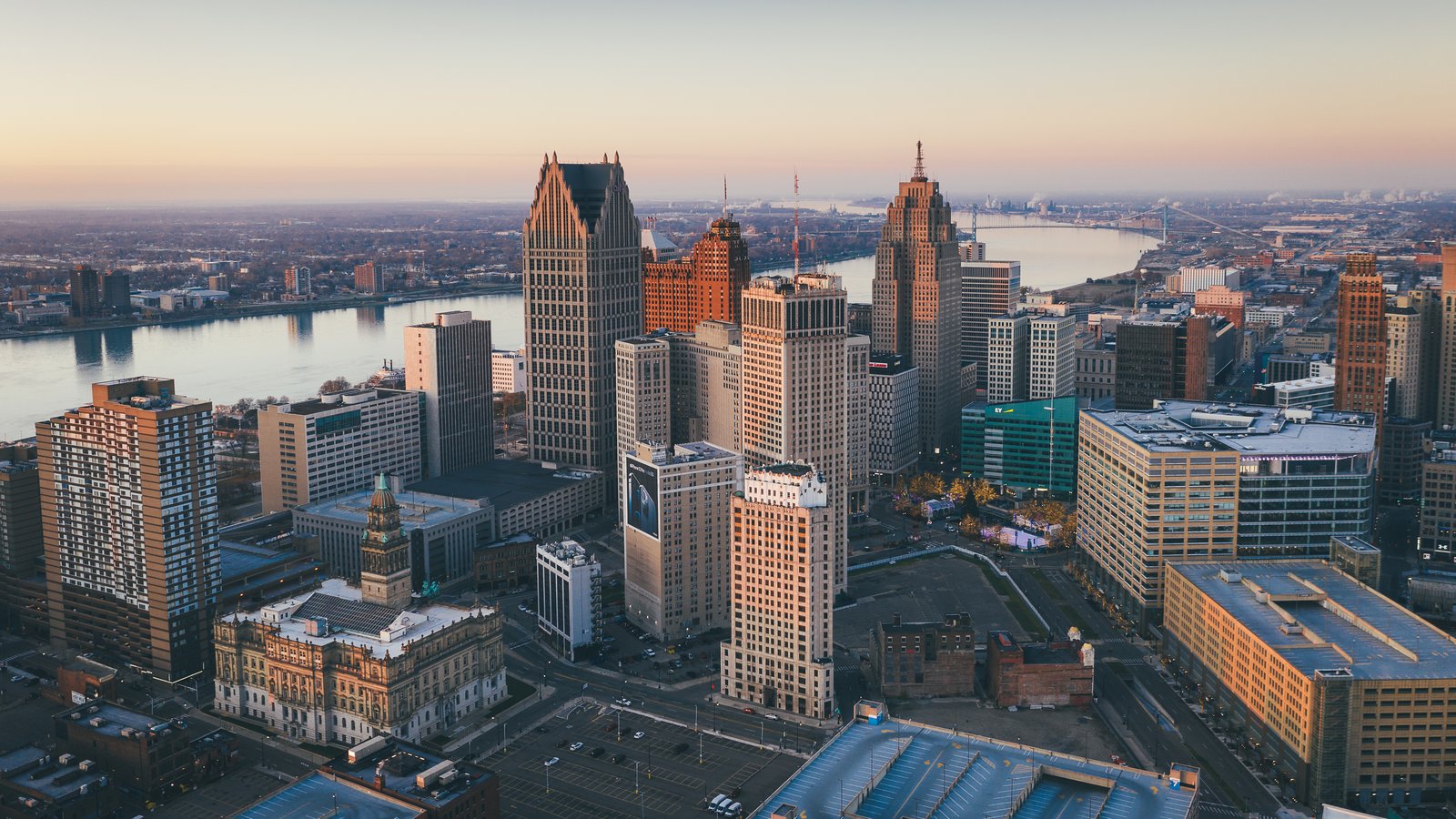
Detroit · Wayne County · Michigan
Detroit historic districts.
Read the city one district at a time. Follow the houses, apartment buildings, markets, commercial streets, and industrial places that help tell Detroit’s story.
The Detroit collection
Every place has a story to keep.
Begin with a district that catches your eye, then follow the related places and original records. This directory connects HLC’s existing neighborhood guides with our growing collection of documented historic district profiles.
30 guides in this collection. Coverage is expanding; this is not yet a complete list of Detroit’s locally designated or National Register districts.
30 guides shown
Residential · Detroit
Arden Park–East Boston
Two broad residential avenues tell a story of Detroit’s growth, ambitious homebuilding, and the people who made their lives here. Arden Park–East Boston rewards a slower look at both architecture and landscape.
Read the guide →Residential · Detroit
Boston-Edison
Explore one of Detroit’s landmark residential neighborhoods through HLC’s existing guide.
Read the guide →Commercial & cultural · Detroit
Broadway Avenue
A single block of Broadway holds a layered Detroit business story. Decorative commercial buildings connect retail, professional life, and the changing opportunities available to the people who worked downtown.
Read the guide →Residential · Detroit
Brush Park
Discover the neighborhood’s historic houses and its place in the city’s changing landscape.
Read the guide →Civic & commercial · Detroit
Capitol Park
Capitol Park brings Michigan’s early government story into the middle of downtown Detroit. A small triangular public space is surrounded by buildings that show the city’s later commercial ambition.
Read the guide →Civic & mixed use · Detroit
Cass Park
Cass Park brings together public landscape, apartment living, business headquarters, and monumental architecture. Its history can be read in the changing scale of the buildings that frame the park.
Read the guide →Mixed use · Detroit
Corktown
Follow HLC into Corktown and the stories around its homes, streets, and landmarks.
Read the guide →Arts & education · Detroit
Cultural Center
Detroit’s Cultural Center Historic District makes a public ambition visible: a city investing in art, learning, and shared institutions. Three monumental buildings form the core of this distinct historic designation.
Read the guide →Residential · Detroit
East Ferry Avenue
East Ferry Avenue places an intimate residential streetscape beside Detroit’s larger cultural landmarks. Its houses reveal the ambition and craftsmanship of a city growing along Woodward Avenue.
Read the guide →Market & commerce · Detroit
Eastern Market
Eastern Market tells Detroit’s story through the work of feeding a city. Its sheds, commercial buildings, and spaces for buying and selling reveal a history built around exchange and everyday life.
Read the guide →Commercial & civic · Detroit
Financial District
Detroit’s Financial District is a concentrated history of money, work, and architectural ambition. Its towers and banking buildings show how a growing industrial city made its business life visible in stone, brick, and steel.
Read the guide →Civic & cultural · Detroit
Grand Circus Park
Grand Circus Park is a place to read Detroit’s plan as well as its buildings. The park’s curved form and the architecture around it link public space, commercial development, and the city’s cultural life.
Read the guide →Commercial & cultural · Detroit
Greektown
Greektown’s history reaches beyond its entertainment identity. Along Monroe Avenue, architecture and community history tell a story of immigration, businesses, religious institutions, and efforts to sustain a recognizable place.
Read the guide →Residential · Detroit
Indian Village
Explore an established HLC neighborhood guide to Indian Village.
Read the guide →Neighborhood commerce · Detroit
Jefferson–Chalmers
Jefferson–Chalmers tells the story of a neighborhood’s main street. Storefronts, apartments, churches, and former entertainment spaces connect everyday commerce to Detroit’s east-side growth.
Read the guide →Retail & commerce · Detroit
Lower Woodward Avenue
Lower Woodward’s historic commercial blocks preserve the scale and detail of Detroit’s shopping history. Often called Merchants Row, the district rewards looking above the storefronts as much as through them.
Read the guide →Industrial & commercial · Detroit
New Amsterdam
New Amsterdam reveals the infrastructure behind Detroit’s industrial rise. Factories, service buildings, and commercial architecture connect transportation, manufacturing, and the businesses that supported them.
Read the guide →Apartment district · Detroit
Palmer Park Apartments
Palmer Park’s apartment district is a different chapter of Detroit residential architecture: shared entrances, courtyards, and imaginative façades create an urban landscape of apartment living.
Read the guide →Residential · Detroit
Palmer Woods
Discover Palmer Woods through HLC’s existing neighborhood collection.
Read the guide →Industrial & automotive · Detroit
Piquette Avenue
Piquette Avenue brings Detroit’s early automobile industry into focus at the scale of a district. Factories, suppliers, and rail connections reveal the network behind the machines that changed the city.
Read the guide →Residential · Detroit
Rosedale Park
Rosedale Park tells Detroit’s growth story through brick homes, landscaped streets, and the design of an entire residential neighborhood. Its character comes from repeated details and carefully shaped public space.
Read the guide →Music & social history · Detroit
Sugar Hill
Sugar Hill asks us to read buildings alongside the music and community life they held. This small Detroit district preserves part of a larger history of Black enterprise, entertainment, and social change.
Read the guide →Residential · Detroit
Virginia Park
Virginia Park is a compact residential history lesson just north of New Center. Its houses and consistent setbacks reveal how developers and residents shaped a distinctive street at the turn of the twentieth century.
Read the guide →Commercial & planning · Detroit
Washington Boulevard
Washington Boulevard reveals a deliberate effort to give Detroit a grand urban address. The district combines ambitious buildings with a street designed to make an impression at the scale of the city.
Read the guide →Residential · Detroit
West Canfield
West Canfield offers a close view of Detroit’s nineteenth-century residential ambition and its later preservation movement. The street itself is as important to the experience as the houses lining it.
Read the guide →Neighborhood commerce · Detroit
West Vernor–Junction
West Vernor–Junction preserves the texture of a neighborhood business street in Southwest Detroit. Older frame storefronts, brick commercial buildings, and a major parish complex reveal different stages of community growth.
Read the guide →Neighborhood commerce · Detroit
West Vernor–Lawndale
West Vernor–Lawndale shows how commerce, housing, and gathering places could share the same neighborhood blocks. Its compact group of buildings offers a close look at Southwest Detroit’s early twentieth-century growth.
Read the guide →Neighborhood commerce · Detroit
West Vernor–Springwells
West Vernor–Springwells tells a Southwest Detroit story through long storefront blocks, neighborhood institutions, and the architecture of gathering. The district records how a growing industrial city organized everyday life.
Read the guide →Residential · Detroit
West Village
Explore HLC’s guide to West Village’s historic streets and neighborhood character.
Read the guide →Residential · Detroit
Woodbridge
Woodbridge makes Detroit’s nineteenth-century residential growth tangible. Houses of different sizes, older apartment buildings, and the rhythm of its streets offer a district story larger than any one architectural style.
Read the guide →Read the city closely
Look beyond the landmark.
Compare the spaces between buildings, the rhythm of doors and windows, the materials along a block, and the way a street meets its public spaces. A district’s story often lives in those relationships.
Our new profiles link to National Park Service designation records and additional historical reading. District boundaries, neighborhood names, and local designations do not always match. Consult the original records when researching a particular property.
History Loves Company
The story continues beyond the page.
Explore HLC’s films, discover They Lied to Us, and visit The Foundry by History Loves Company.