Start here: Detroit history makes more sense when you stop treating it as one collapse story and start seeing it as a long chain of choices, migrations, industries, neighborhoods, and losses.
Use The Timeline With The Library
The timeline is strongest when it becomes a launch point. After you find the era, jump into the topic pages that explain what changed on the ground.
Early Detroit
Start with Indigenous Detroit and the riverfront roots of the city.
Growth and movement
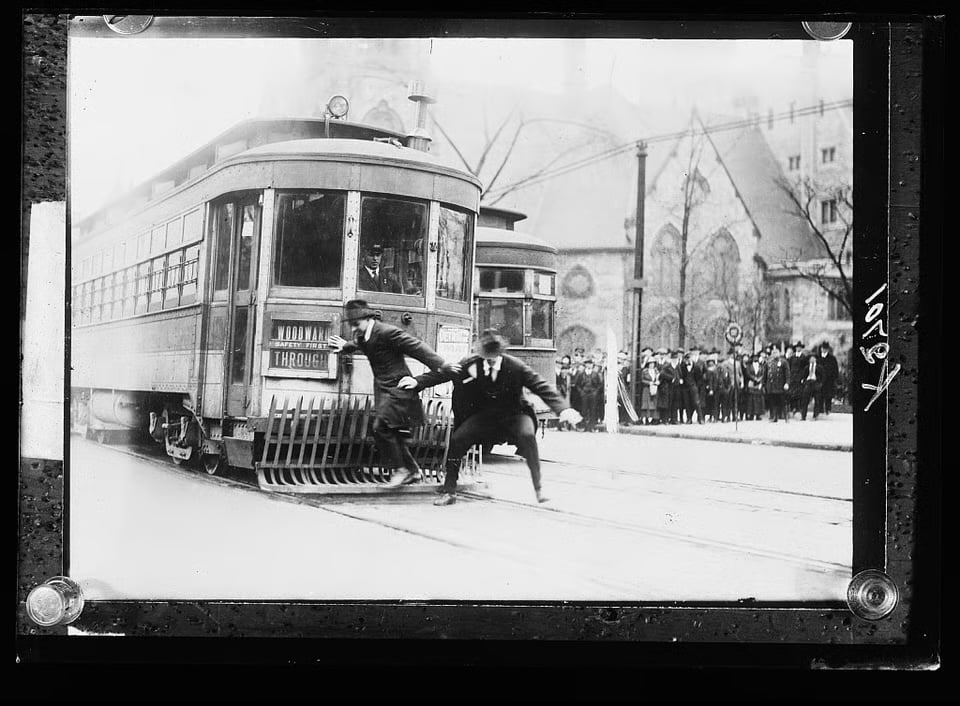
Streetcars, Woodward, suburbs, and freeways explain how the region spread out.
Loss and memory
Black Bottom, Paradise Valley, and lost buildings show what redevelopment removed and what people still remember.
Free HLC resource: This guide is free. Support the work by watching the embedded History Loves Company video, subscribing on YouTube, sharing the page, or joining Stories We Keep.

Detroit history timeline
- Before 1701: Native nations and trade networks shape the region long before Detroit becomes a French settlement.
- 1701: Antoine de la Mothe Cadillac establishes Fort Pontchartrain du Detroit.
- 1760s: British control and Pontiac’s War place Detroit inside a larger Great Lakes struggle.
- 1805: A major fire destroys much of Detroit, leading to the famous motto: “We hope for better things; it shall rise from the ashes.”
- 1800s: Detroit grows as a river, rail, manufacturing, immigration, and Great Lakes city.
- Early 1900s: The auto industry transforms Detroit into a global industrial capital.
- 1910s-1940s: The Great Migration reshapes Detroit’s culture, labor force, neighborhoods, churches, music, and politics.
- 1920s: Detroit builds some of its most ambitious architecture, including Art Deco and skyscraper landmarks.
- 1940s: Arsenal of Democracy production ties Detroit to World War II on a massive scale.
- 1950s-1960s: Freeways, urban renewal, suburbanization, and disinvestment reshape the map.
- Black Bottom and Paradise Valley: Communities are erased or disrupted by clearance, freeway construction, and redevelopment.
- 1967: The rebellion/uprising becomes a national marker, though Detroit’s problems began long before that week.
- 1970s-2000s: Deindustrialization, population loss, demolition, and suburban expansion intensify.
- 2013: Detroit enters municipal bankruptcy.
- Today: Detroit’s story is preservation, redevelopment, memory, displacement, reinvestment, and the fight over who gets to tell the city’s history.
Read next
Continue with They Lied To Us About Detroit, Black Bottom and Paradise Valley, Detroit’s Lost Streetcars, and Why America Really Built the Suburbs.
Timeline FAQ
Did Detroit’s problems begin in 1967?
No. 1967 matters, but the deeper story includes housing, jobs, segregation, freeways, suburbanization, industry, policy, and disinvestment.
What should I learn after the timeline?
Study neighborhoods. The city’s biggest themes become clearer when you look at Black Bottom, Corktown, Brush Park, Boston-Edison, and Pontiac.
Explore the Detroit History Hub
This guide is part of the free History Loves Company Detroit History Resource Hub. Keep going by choosing the path that matches what you want to do next.
