Start here: Detroit was one of the last American gateways to freedom for many people escaping slavery. The river that built Detroit was also a border. On the other side was Canada. For freedom seekers, that short crossing could mean the difference between capture and a different life.
This page is part of the Detroit History Topic Library and connects directly to HLC's larger work on Black Detroit, neighborhoods, churches, borders, and stories that were simplified or left out.
Detroit was one of the last American gateways to freedom
Because Detroit sat across the river from Canada, it became a critical Underground Railroad city before the Civil War. The story is not only about secret routes. It is about Black churches, abolitionist networks, river crossings, courage, danger, and people who chose to help at great risk.

Why Detroit mattered
Detroit's geography made it powerful. The city sat on the border between the United States and British-controlled Canada, where slavery had been abolished earlier than in the United States. That meant Detroit could function as a final American stop for some freedom seekers.
The Detroit River was narrow enough to imagine freedom and dangerous enough to make the crossing terrifying. People still had to avoid slave catchers, hostile laws, surveillance, and the constant threat of being forced back into slavery.
Second Baptist Church and Black Detroit
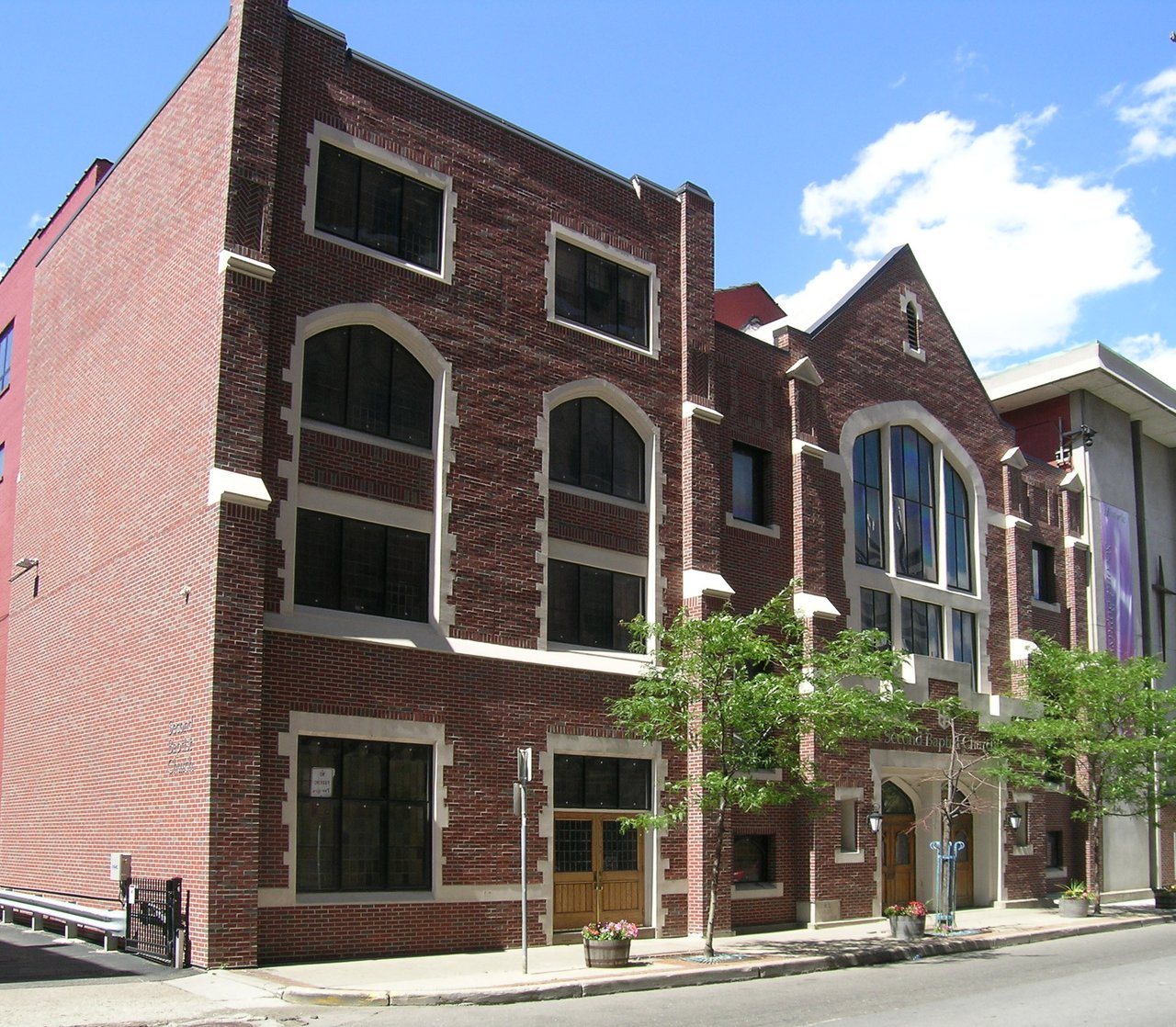
Second Baptist Church is central to this history. The National Park Service describes the church as one of the last Underground Railroad stations before freedom seekers crossed the nearby Canadian border. Detroit Historical Society notes that Second Baptist, Michigan's first Black congregation, became a vital station and housed thousands of freedom seekers over more than 30 years.
That matters because the Underground Railroad was not an abstract legend. It was organized through people and institutions. Churches, homes, trusted routes, river knowledge, and community networks all mattered.
The river crossing
For many freedom seekers, Detroit was not the destination. It was the edge. The next step was the water. Canada was visible, but visibility did not make the crossing simple. The river carried possibility and danger at the same time.
This is where Detroit history becomes national history. The same river that moved goods, soldiers, timber, ships, cars, and industry also held stories of escape and resistance.
What people should look for today
- Second Baptist Church in Greektown
- The Detroit River and views toward Windsor
- Markers and tours connected to Underground Railroad history
- Black church history in Detroit
- Connections between abolition, migration, housing, and later Black Detroit history
Research paths and sources
- National Park Service: Second Baptist Church of Detroit
- Detroit Historical Society: Underground Railroad
- Second Baptist Church of Detroit
Why this belongs in the HLC ecosystem
This topic connects early Detroit, Black Detroit, church history, the river, the border, and the larger American freedom struggle. It also helps viewers understand that Detroit has always been more than an auto city. It was a city of routes, crossings, and choices long before the assembly line.
A strong HLC video could begin at the river, walk to Second Baptist, and then ask a simple question: what does Detroit look like when we understand it as one of the final American thresholds to freedom?
Detroit Underground Railroad FAQ
Was Detroit part of the Underground Railroad?
Yes. Detroit was a significant Underground Railroad city because of its location across the river from Canada and because of the abolitionist and Black community networks that helped freedom seekers.
What Detroit site is most associated with the Underground Railroad?
Second Baptist Church is one of the most important Detroit sites connected to the Underground Railroad. It is frequently described as one of the final stations before the Canadian border.
Why was Canada important?
For many freedom seekers, reaching Canada offered a greater chance of freedom from United States slave laws. Detroit's river border made that possibility physically close, but still dangerous.
Keep exploring Detroit history
Watch with this article
Keep going with History Loves Company on YouTube and the They Lied To Us About Detroit episode archive.
Keep Exploring Detroit History
Detroit Underground Railroad history connects borders, churches, river crossings, Black organizing, and the meaning of freedom in the city.
Indigenous Detroit
Start earlier with the river, land, and border story beneath Detroit history.
Black Bottom and Paradise Valley
Continue into Detroit Black history, culture, migration, and redevelopment.
Historic neighborhoods
Place churches, routes, homes, and landmarks inside the neighborhood map.
Open the full Detroit History Topic Library | Watch the episode archive | Watch HLC on YouTube
