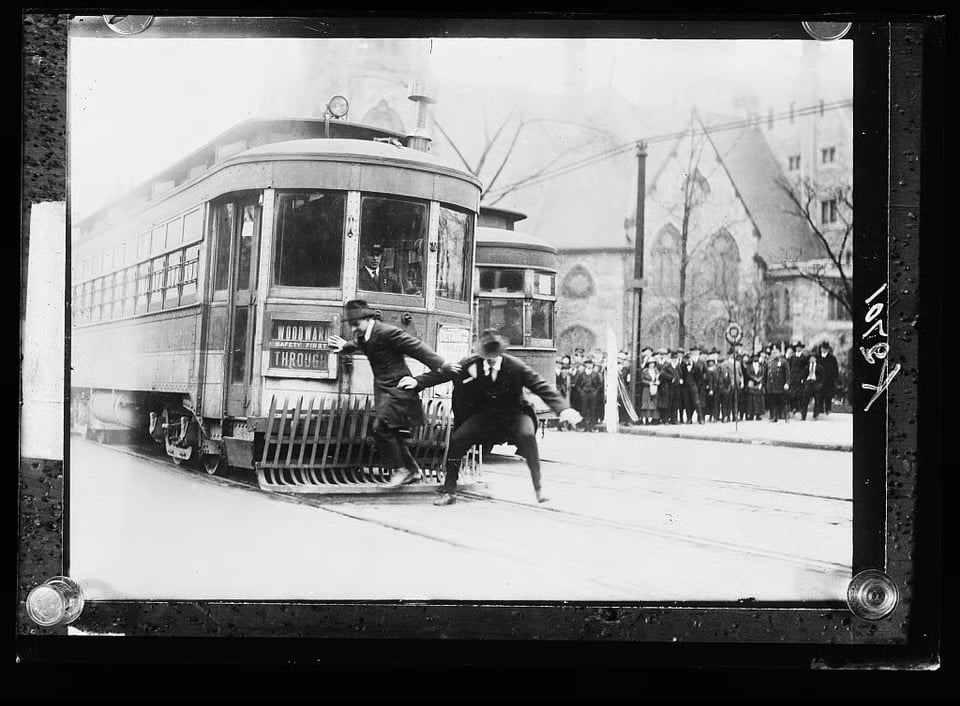
Start here:Detroit historic districts and architecture.
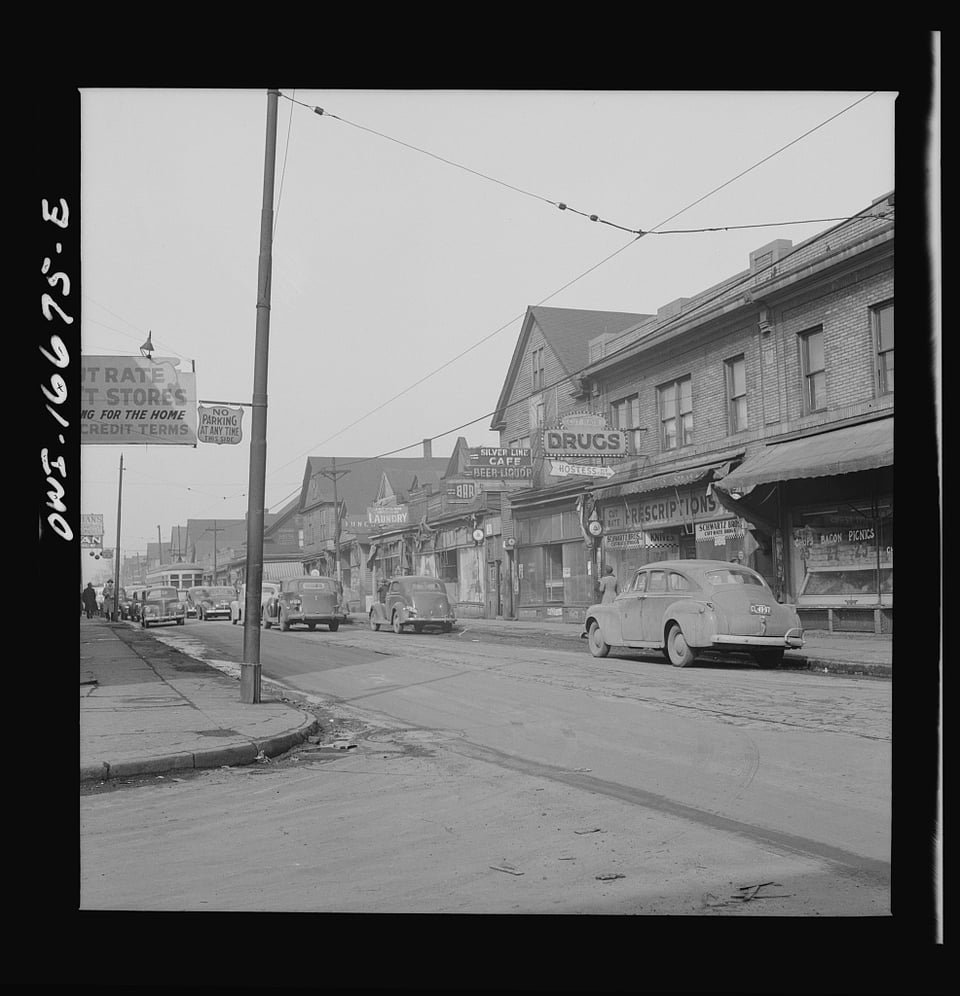
Detroit history is easiest to understand at the neighborhood level. The city is not one story. It is a map of streetcar corridors, mansion districts, workers' cottages, apartment courts, churches, schools, factories, erased communities, and houses that somehow carried memory through everything.
This guide is a roadmap into the History Loves Company Detroit neighborhood archive. Use it to find the major historic districts, the places people ask about most, and the related stories that explain how Detroit grew, moved, declined, survived, and kept rebuilding.
Detroit historic neighborhoods to start with
- Boston-Edison: one of Detroit's best-known historic mansion districts, with homes tied to auto industry founders, civic leaders, and cultural change.
- Indian Village: grand residential architecture, deep neighborhood identity, and one of the city's most recognizable historic streetscapes.
- Brush Park: once called Little Paris, later a symbol of decline, and now one of Detroit's most visible examples of preservation meeting redevelopment.
- Corktown: Detroit's oldest surviving neighborhood, shaped by immigrant history, workers' housing, Tiger Stadium memory, and new investment.
- Palmer Woods: winding streets, estate-scale architecture, and one of the city's most architecturally ambitious neighborhoods.
- West Village: a walkable historic district with apartment buildings, flats, local storefronts, and a growing buyer audience.
Architecture, landmarks, and neighborhood identity
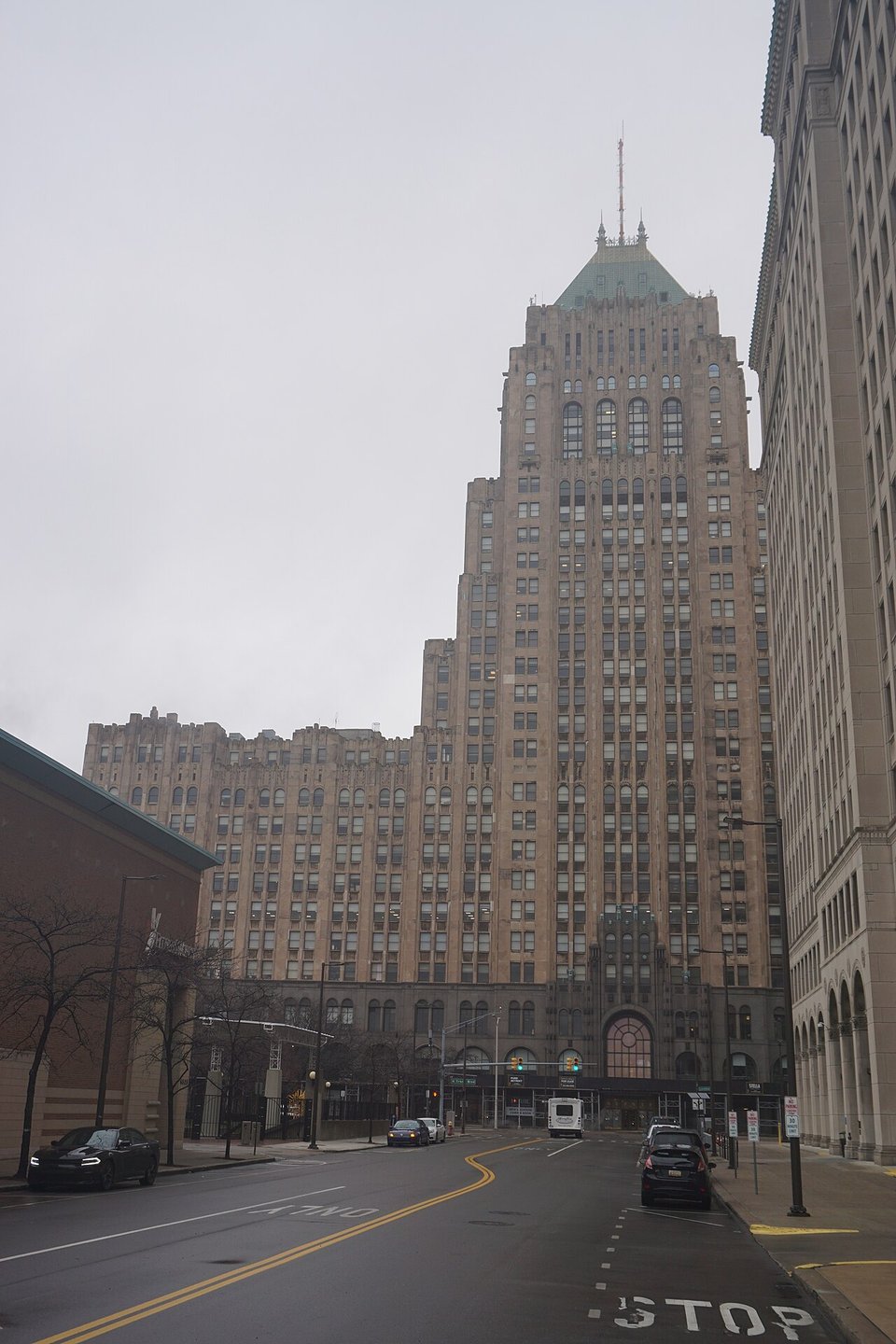
Neighborhood history is not only about houses. It is also about the buildings that told people what Detroit wanted to become. Start with Detroit's Fisher Building, then follow the civic and fraternal thread through Detroit and Pontiac Masonic Temples.
For deeper neighborhood reading, visit Boston-Edison Detroit Historic District, Indian Village: The Detroit Neighborhood Built to Impress, Inside Palmer Woods, Brush Park: Detroit's History Between the Mansions, and Corktown: How Detroit's Oldest Existing Neighborhood Survived.
Erased neighborhoods, streetcars, and suburbanization
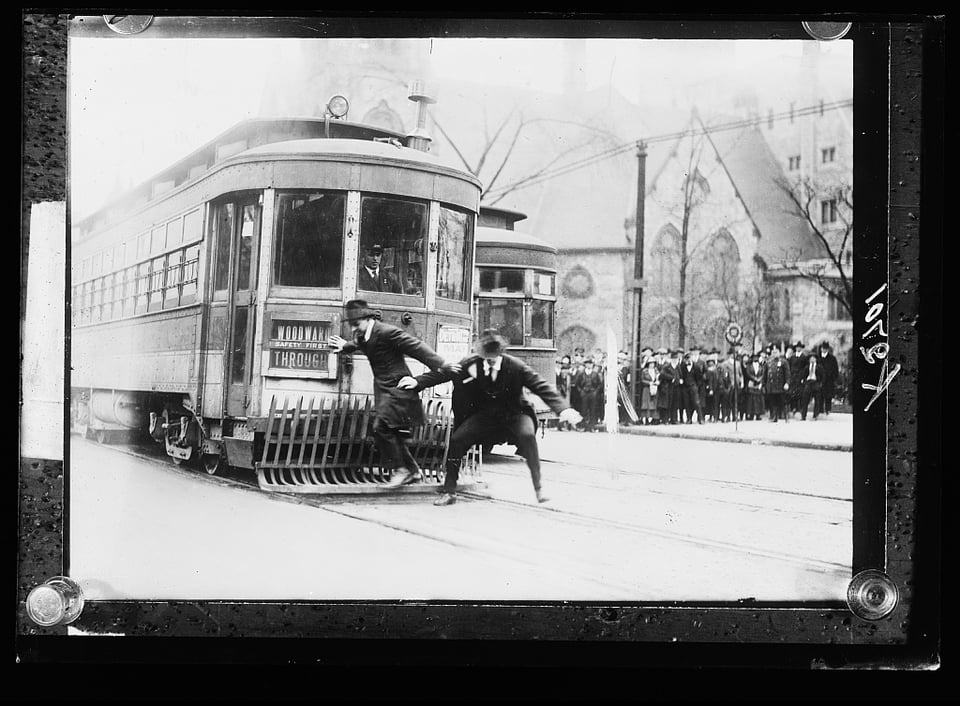
Any honest Detroit neighborhood guide has to include the places that were broken apart or removed. Black Bottom and Paradise Valley belong at the center of that conversation. So do the transportation choices that shaped where people lived, including Detroit's lost streetcars and the real story behind American suburbanization.
Detroit history videos and episodes
If you prefer to explore by video, use the They Lied To Us About Detroit episode guide. It connects the YouTube series to article versions, so each episode can become part of the same searchable Detroit history archive.
More Detroit neighborhood resources
This guide is part of the Detroit History Resource Hub, built to connect neighborhood history with architecture, walking routes, lost buildings, and HLC videos.
Detroit historic neighborhoods FAQ
What are the best Detroit historic neighborhoods to research first?
Start with Boston-Edison, Indian Village, Brush Park, Corktown, Palmer Woods, West Village, and Arden Park-East Boston. Together they show Detroit's range: mansions, flats, cottages, apartment districts, commercial corridors, and neighborhoods shaped by industry and migration.
What is the difference between a Detroit neighborhood and a historic district?
A neighborhood is a lived place with its own identity. A historic district is a legally or culturally recognized area with buildings, streets, or landscapes considered historically significant. Some Detroit neighborhoods contain formal historic districts, while others are historic because of the stories and people tied to them.
Where should I start if I want to buy a historic Detroit home?
Begin with the neighborhood pages, then read the preservation and buyer-focused articles for that area. Historic homes can be incredibly rewarding, but buyers should understand district rules, maintenance needs, financing, and the difference between original character and deferred repair.
Keep Exploring Detroit History
Neighborhood history is the bridge between people, homes, streets, architecture, migration, and redevelopment.
Black Bottom and Paradise Valley
Read the neighborhood story every Detroit history hub needs to understand.
Open the full Detroit History Topic Library | Watch the episode archive | Watch HLC on YouTube
