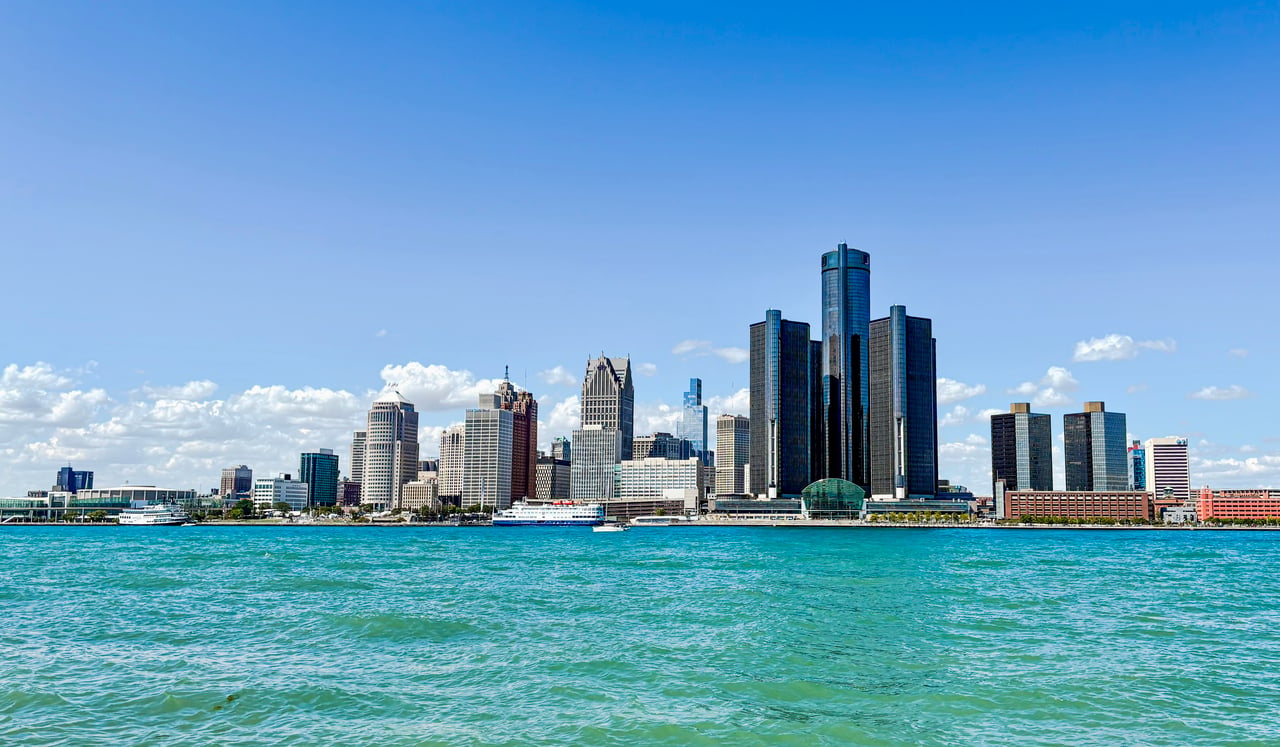
Explore Detroit history by topic. Find guides to neighborhoods, architecture, industry, Black history, transportation, and places remembered long after they changed. Start with the Detroit History Resource Hub for an overview, or choose a subject below and follow its connections across the city.
Detroit Public Library: architecture and the city’s memory
Follow the library from its 1865 beginnings to Cass Gilbert’s Main Library on Woodward, then explore the Burton Historical Collection and a practical method for researching Detroit people, buildings, and neighborhoods.
Detroit makers: clay, cars, and the places they built
Pewabic Pottery history follows Mary Chase Perry Stratton, the East Jefferson studio, and architectural tile in Detroit’s public buildings.
Packard Plant history and early production explains movement between factory floors, Kahn’s concrete buildings, the 1939 body-transfer bridge, and what happened after car production.
Start Here: Detroit History, Organized
If you are new to History Loves Company, use this page like a map. Choose a film or a guide to explore the streets, homes, neighborhoods, buildings, and decisions that shaped Detroit.
Watch the story
Begin with the video archive, then use the matching articles for names, dates, places, and deeper context.
Read by topic
Use the library for Detroit neighborhoods, streetcars, Black Bottom, lost buildings, Boblo, historic homes, and Pontiac.
Explore in person
Plan a free self-guided day with historic things to do, seasonal guides, cemeteries, and walking tours.
Best order to explore
- Start with the Detroit History Starter Kit if you want the quick orientation.
- Use the Detroit History Timeline to place each story in order.
- Watch the They Lied To Us About Detroit episode archive, then read the matching guide.
- Go deeper into transportation, Black Bottom and Paradise Valley, and Detroit buildings we lost.
- Turn the research into a day out with historic things to do in Detroit and free self-guided walking tours.
Watch History Loves Company on YouTube or join the newsletter for new Detroit history drops.

Detroit is not one story. It is a river city, an Indigenous homeland, a French colonial settlement, a borderland, an Underground Railroad gateway, an industrial powerhouse, a Black metropolis, a labor city, a music city, a sports city, a preservation fight, and a real estate story written block by block.
Choose a starting point
Follow the timeline for context, explore a neighborhood, or choose a walking route. These guides offer different ways into the same city, with related reading when you want to go deeper.
Detroit history by era
Use these eras to place individual buildings, people, and neighborhoods in a wider story. The linked guides below offer starting points for further reading.
Indigenous Detroit and the river before the city
Before Detroit was a French fort or an auto capital, it was part of a living Indigenous world shaped by the Detroit River, the Great Lakes, trade routes, seasonal movement, and Anishinaabe communities. Explore the connections among water, land, foodways, names, treaties, and memory in the Indigenous Detroit history guide.
- Indigenous Detroit and Anishinaabe homelands
- The Detroit River before European settlement
- Trade routes, portages, and Great Lakes movement
- Treaties, land loss, and how the map changed
French Detroit, ribbon farms, and the borderland city
French Detroit was not just a founding date. It was a river settlement, a military post, a trading place, and a landscape of narrow farms stretching back from the water. This is where Detroit's geography becomes visible.
- Fort Pontchartrain and the founding of Detroit
- French ribbon farms and riverfront land patterns
- Detroit as a Great Lakes borderland
- French family names and early settlement memory
British, American, fire, and rebuilding
Detroit passed through imperial conflict, war, fire, and rebuilding. The 1805 fire, the Woodward plan, and the city's early American development explain why downtown Detroit looks the way it does.
- British Detroit and the American takeover
- The War of 1812 and Detroit's strategic position
- The 1805 fire and the rebuilding of downtown
- Augustus Woodward, radial streets, and the city plan
Underground Railroad, abolition, and freedom seekers
Detroit's location across from Canada made it one of the most important freedom gateways in the country. This topic connects churches, homes, river crossings, anti-slavery organizing, and the meaning of Detroit as a border city.
- Detroit and the Underground Railroad
- Second Baptist Church and anti-slavery organizing
- River crossings into Canada
- Black Detroit before the auto boom
Industrial Detroit, immigrants, and the rise of manufacturing
Detroit became an industrial city before it became the Motor City. Shipbuilding, stoves, pharmaceuticals, railroads, factories, and immigrant neighborhoods built the foundation for the auto century.
- Detroit before cars: stoves, ships, railroads, and manufacturing
- German, Irish, Polish, Italian, Jewish, Greek, Arab, and other immigrant histories
- Factory districts and worker neighborhoods
- The river, railroads, and industrial geography
Auto Detroit, labor, and the Great Migration
The automobile changed Detroit, but the deeper story is labor, migration, housing, race, money, power, and the way industrial jobs pulled people into the city from the South, Europe, Appalachia, and beyond.
- Henry Ford, Highland Park, River Rouge, Dodge, Packard, and Chrysler
- The five-dollar day, assembly lines, and factory discipline
- UAW, labor organizing, strikes, and workplace power
- The Great Migration and the making of Black Detroit
Streetcars, highways, suburbs, and segregation
Detroit's shape cannot be understood without streetcars, buses, freeways, mortgages, redlining, racial covenants, suburban development, and the politics of who could move where.
- Streetcars, suburbanization, and the They Lied To Us series
- Redlining, FHA lending, and racial covenants
- I-75, I-94, the Lodge, and neighborhoods cut by highways
- White flight, school boundaries, tax base loss, and regional fragmentation
Black Bottom, Paradise Valley, and urban renewal
Black Bottom and Paradise Valley are not side stories. They are central to understanding Black Detroit, displacement, downtown redevelopment, highways, Lafayette Park, music, business, churches, and memory.
- Black Bottom neighborhood history
- Paradise Valley, nightlife, jazz, and Black business
- Lafayette Park and urban renewal
- How Detroit remembers places that were demolished
1967, Coleman Young, decline narratives, bankruptcy, and comeback
Detroit's modern story is often flattened into decline and comeback. Look more closely at housing, policing, racism, jobs, tax policy, regional politics, bankruptcy, redevelopment, and what gets lost when a city is explained too simply.
- 1967 uprising/rebellion and its causes
- Coleman Young and Black political power
- Deindustrialization and the loss of factory jobs
- Bankruptcy, emergency management, and the comeback narrative
Explore Detroit history by subject
Neighborhoods and historic districts
Explore Detroit at neighborhood scale, from familiar historic districts to places whose stories are less widely known.
- Detroit historic neighborhoods
- Boston-Edison, Arden Park-East Boston, Indian Village, West Village, Brush Park, Palmer Woods, Russell Woods, North End, Corktown, Mexicantown, Southwest Detroit, Jefferson-Chalmers, East English Village, Rosedale Park, Sherwood Forest, Delray, Poletown, Black Bottom, Paradise Valley, Downtown, Midtown, Cass Corridor, New Center, Palmer Park, and the riverfront
- Adjacent stories: Highland Park, Hamtramck, Dearborn, River Rouge, Ecorse, Grosse Pointe, and Pontiac
Architecture, buildings, and places we lost
Detroit’s buildings connect architecture with public memory. Follow the surviving landmarks, then use photographs, maps, and neighborhood histories to understand places that have disappeared.
- Detroit Architecture Guide
- Detroit Buildings We Lost Guide
- Detroit Lost Buildings Walking Tour
- Fisher Building, Guardian Building, Book Tower, Michigan Central, Fox Theatre, Masonic Temple, Packard Plant, Michigan Theatre, Hudson's, Tiger Stadium, Joe Louis Arena, Olympia Stadium, Statler, Book Cadillac, churches, schools, factories, theaters, and old department stores
Black Detroit, civil rights, and community power
Explore Black Detroit through churches, neighborhoods, schools, business districts, music, organizing, housing struggles, migration, and political leadership. Begin with Black Bottom and Paradise Valley or Detroit and the Underground Railroad.
- Black Bottom and Paradise Valley
- Great Migration and Black homeownership
- Churches, schools, newspapers, and civic organizations
- Housing discrimination, redlining, and neighborhood defense
- Detroit civil rights leaders, artists, athletes, and elected officials
Transportation, movement, and the shape of the region
Transportation explains Detroit's growth and its wounds: river, rail, streetcars, buses, highways, bridges, tunnels, airports, and the border.
- Detroit River and Great Lakes shipping
- Streetcars and interurban lines
- Highways and neighborhood displacement
- Ambassador Bridge, Detroit-Windsor Tunnel, railroads, and border trade
- Buses, transit fights, and regional transportation politics
Industry, labor, and money
Follow Detroit’s industrial history through workplaces, unions, worker housing, and the land left behind when production changed. The Packard Plant history guide examines early production and the long transition after automobile manufacturing.
- Ford, General Motors, Chrysler, Dodge, Packard, Fisher Body, and suppliers
- River Rouge, Highland Park Ford Plant, Poletown, and factory neighborhoods
- UAW, labor organizing, strikes, shop floors, and worker housing
- Industrial pollution, brownfields, and redevelopment
Music, sports, media, and culture
Motown, techno, Tigers baseball, boxing, radio, newspapers, and movies offer ways to explore the city through shared experiences and the places where culture was made.
- Motown, jazz, blues, gospel, rock, punk, techno, hip-hop, and club culture
- Tiger Stadium, Comerica Park, Olympia Stadium, Joe Louis Arena, the Silverdome, and sports memory
- Detroit newspapers, radio, television, and documentary storytelling
- Foodways, markets, diners, bars, clubs, and social spaces
Cemeteries, churches, schools, and memory places
Some of the best Detroit history is held in places people pass every day without knowing what they are looking at.
- Historic cemeteries of Detroit and Southeast Michigan
- Elmwood, Woodmere, Mt. Elliott, Mt. Olivet, historic churchyards, memorials, and burial landscapes
- Historic churches, schools, social clubs, union halls, and fraternal buildings
- How to read a cemetery, a cornerstone, a deed, a Sanborn map, or an old directory
Great Lakes, Boblo, Belle Isle, and the river
Detroit is a water city. Boblo, Belle Isle, the riverfront, Zug Island, canals, shipping, ferries, bridges, and excursion boats turn Detroit history into something people can see and feel.
- Boblo Island and Boblo Boats History Guide
- Belle Isle, the Detroit River, shipping channels, canals, docks, and ferries
- SS Columbia, SS Ste. Claire, excursion boats, amusement culture, and summer memory
- Great Lakes industry, ecology, and borderland history
Historic homes, house research, and preservation
A historic home can be read through deeds, directories, architectural details, and the memories of people who lived there. Explore the relationship between an individual house, its neighborhood, and the work of caring for it.
- Historic Homes
- How to Research the History of Your Detroit Home
- Historic districts, designation, tax incentives, restoration, old-house buying, inspections, and responsible storytelling
- House-history videos, owner interviews, before-and-after preservation, and listing documentaries
Questions to take into any Detroit story
Use these questions while reading, visiting, or researching:
- What happened here?
- Who benefited, who was displaced, and who gets remembered?
- What can people still see in the landscape today?
- Which sources support the story, and what questions remain unanswered?
Compare the physical place with archival records and personal memories. Each can reveal something the others leave out.
Detroit history topic library FAQ
What Detroit history topic should I start with?
Start with the Detroit History Starter Kit, then move to the Detroit History Timeline and this topic library. If you prefer video, use the They Lied To Us About Detroit episode guide.
Where can I explore Detroit history on foot?
Use the self-guided Detroit walking tours for routes and the lost-buildings walking tour to connect present-day streets with vanished landmarks. Check current access information before entering individual buildings.
How can I research a Detroit building or family story?
Start with our Detroit home research guide and Detroit Public Library and Burton Historical Collection guide. Establish an address, a date range, and the names involved, then compare maps, directories, photographs, and other records.
How does this help historic real estate?
Historic homes make more sense when buyers understand the neighborhood, architecture, transportation, industry, and family stories around them. This library helps connect real estate to the larger Detroit story.
Keep exploring
Land, freedom, and Black neighborhood history
These three guides connect the land and water before the city, Detroit as a freedom gateway, and the Black neighborhoods whose destruction still shapes downtown memory.
Detroit transportation history guides
Follow how Detroit moved: Woodward Avenue, streetcars, freeways, and the growth of the suburbs. Compare these systems with the neighborhoods they served or displaced.
Explore Detroit Landmarks
Detroit buildings we lost
Explore the buildings through their uses, their neighborhoods, and the memories they left behind. Choose a landmark below, then follow the related guides to connect retail, sports, education, and entertainment history.


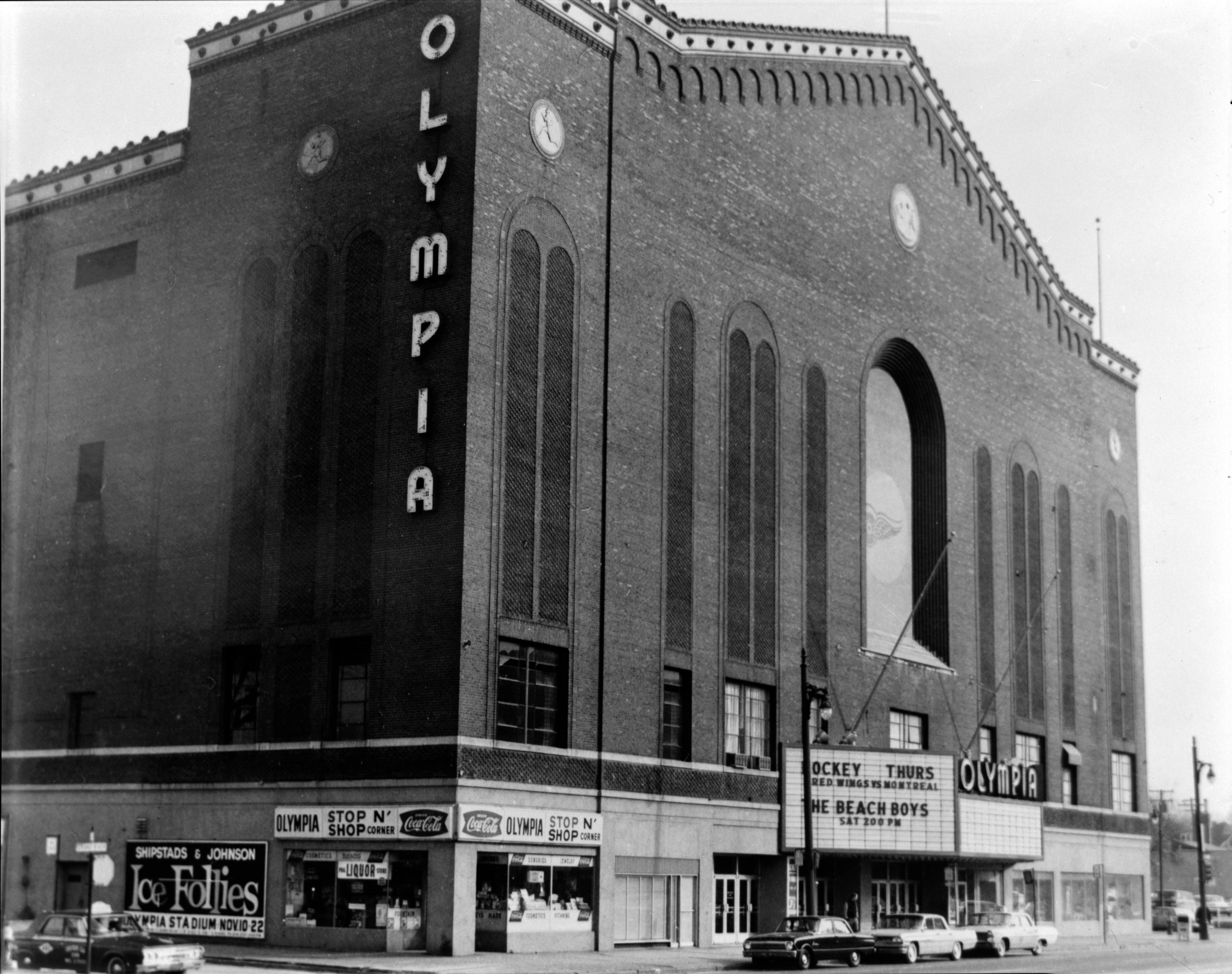


Watch next: Pair these pages with History Loves Company's downtown Detroit video, the They Lied To Us About Detroit episode archive, and the Detroit History Topic Library.
Watch with this article
Keep going with History Loves Company on YouTube and the They Lied To Us About Detroit episode archive.
