Start here:Pontiac history and places.
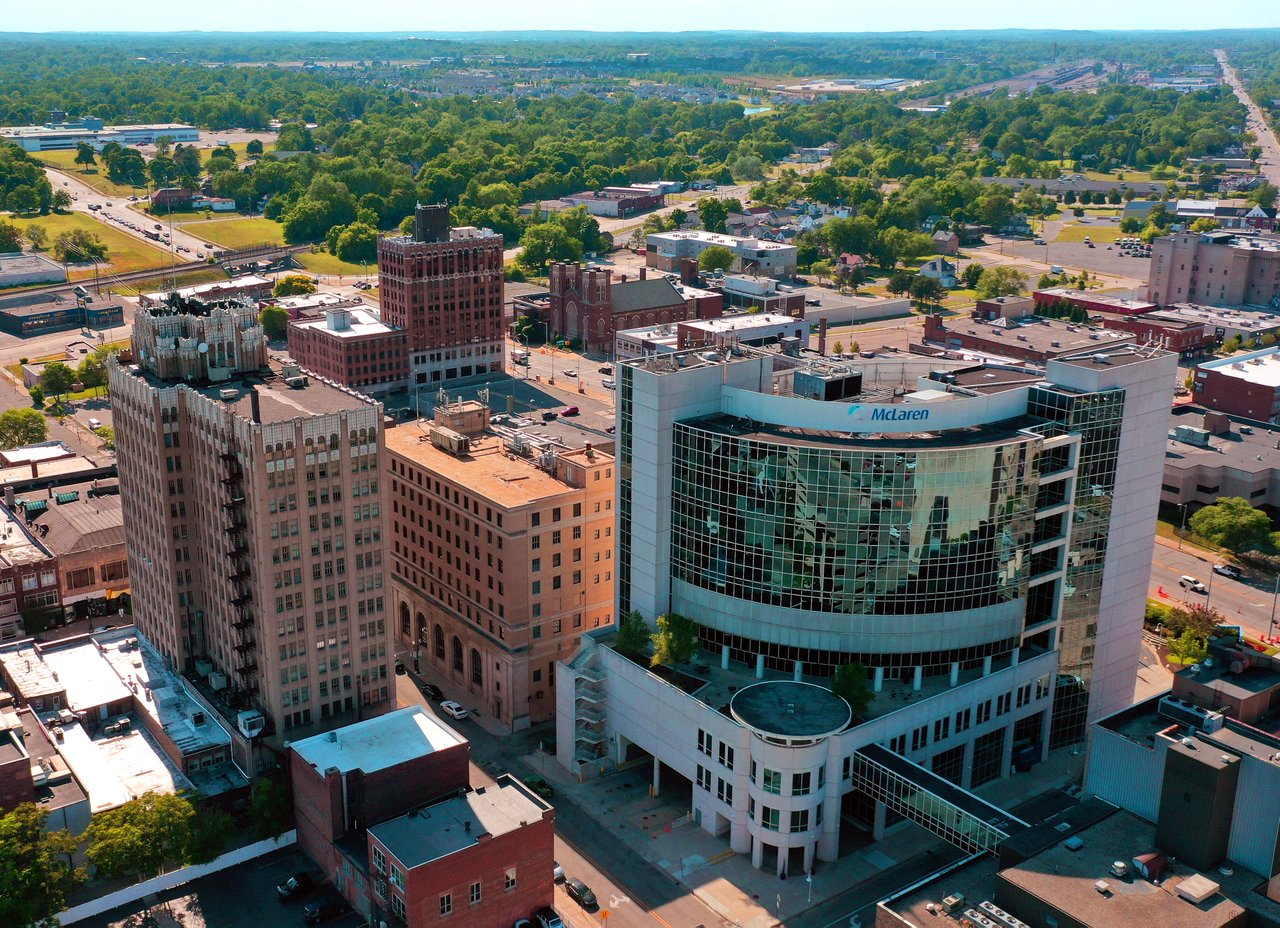
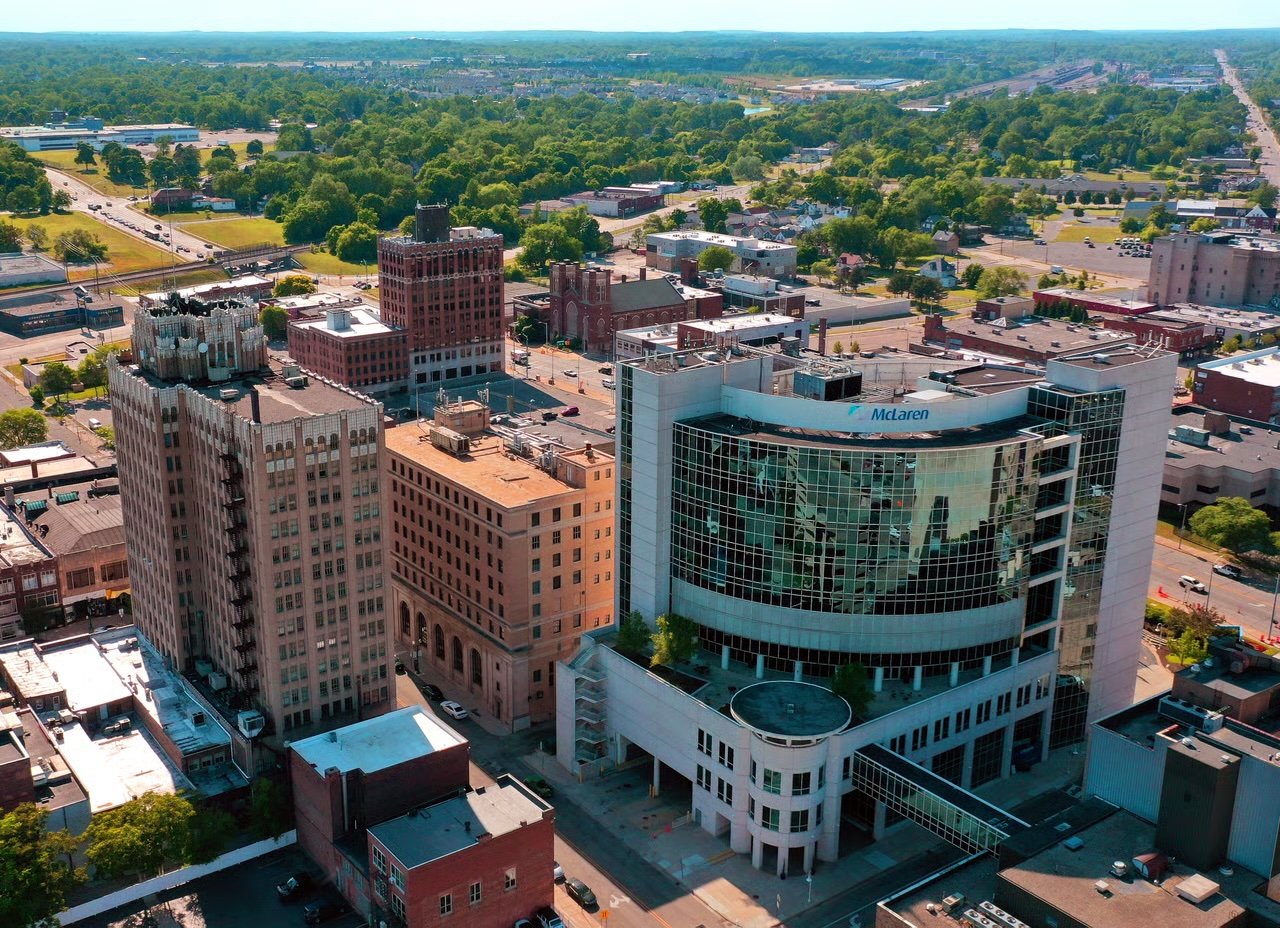
Pontiac belongs in the center of the Michigan history conversation. Long before people talked about comeback stories, the city had already been a county seat, a manufacturing force, an auto industry nameplate, a downtown of banks and theaters, and a network of historic neighborhoods with stories that still shape how people see Oakland County.
This guide brings the Pontiac archive into one place. It is built for readers searching for Pontiac Michigan history, downtown Pontiac buildings, Pontiac historic districts, and the people and places that made the city matter.
Start with the Pontiac hub pages
- Pontiac: the main History Loves Company guide to Pontiac stories, landmarks, neighborhoods, and local memory.
- Pontiac historic districts: a practical starting point for Franklin Boulevard, Seminole Hills, Fairgrove Avenue, and other historic areas.
- Downtown Pontiac buildings: the architecture and commercial blocks that shaped the city core.
- Downtown Pontiac Historic District: the district-level view of downtown architecture and preservation.
- Riker Building: one of Pontiac's landmark downtown buildings and a useful anchor for searches around Pontiac architecture.
Pontiac neighborhoods and historic districts
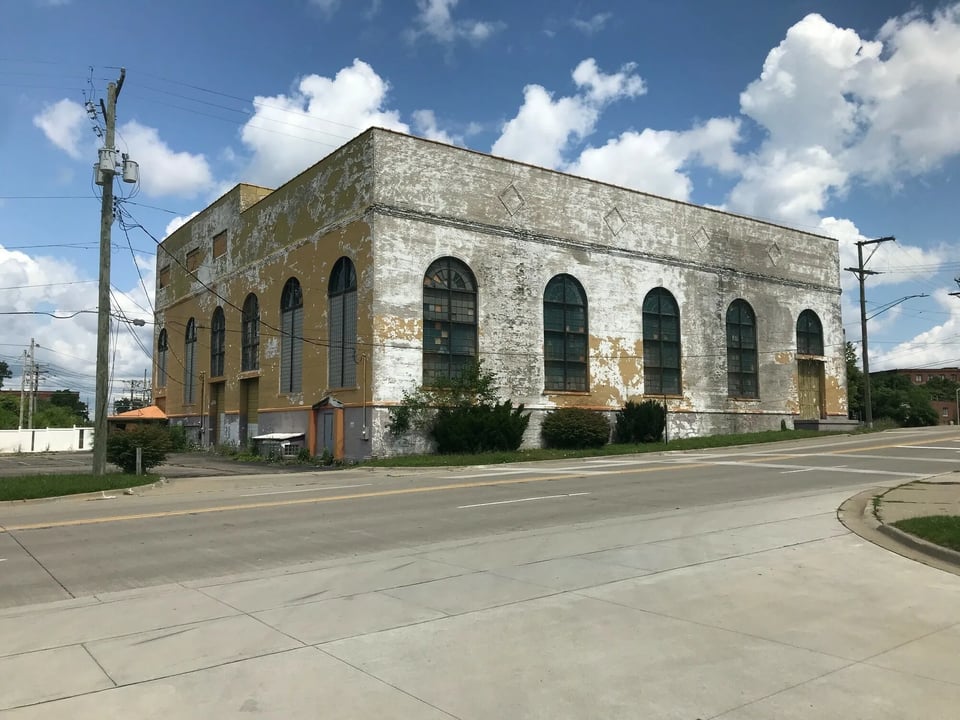
For residential history, start with Franklin Boulevard, Seminole Hills, Fairgrove Avenue, and modern housing in Pontiac. These pages help connect architecture to the larger city story: industrial wealth, civic ambition, shifting markets, and the question of how historic homes survive.
For buyer-focused reading, see Buying and Restoring a Historic Home in Pontiac and Discovering the Franklin Boulevard Historic District.
Pontiac auto history, downtown memory, and lost places
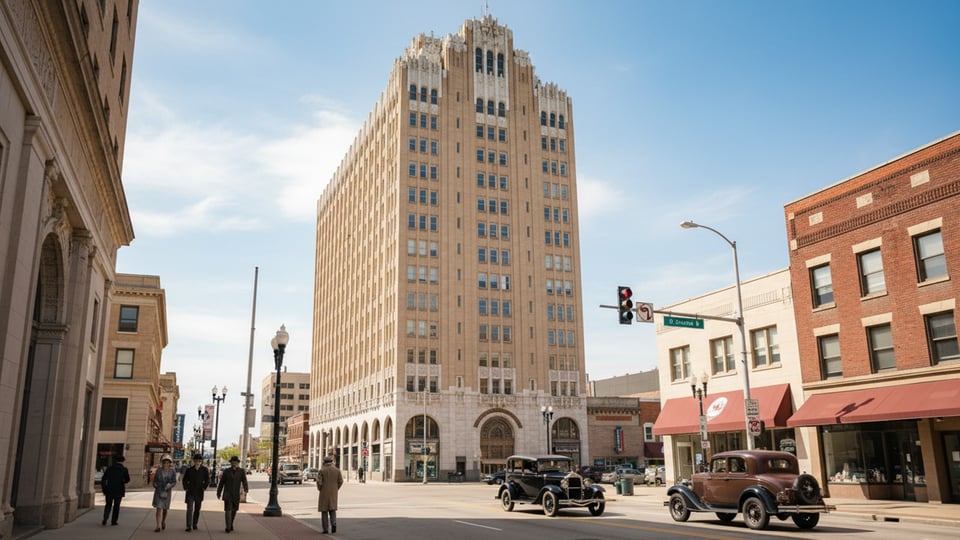
Pontiac's auto history is more than nostalgia. It explains why the city became nationally known, why its downtown filled with banks and hotels, and why its identity is still tied to work, movement, and reinvention. Read Pontiac Built America and How Pontiac Helped Put America on Wheels first.
Then move into the buildings and mysteries: The Bank That Towered Over Pontiac, The Hidden Tunnels of Pontiac, Pontiac's Forgotten Icons, and Oak Hill Cemetery in Pontiac.
How Pontiac connects to Detroit and Metro Detroit
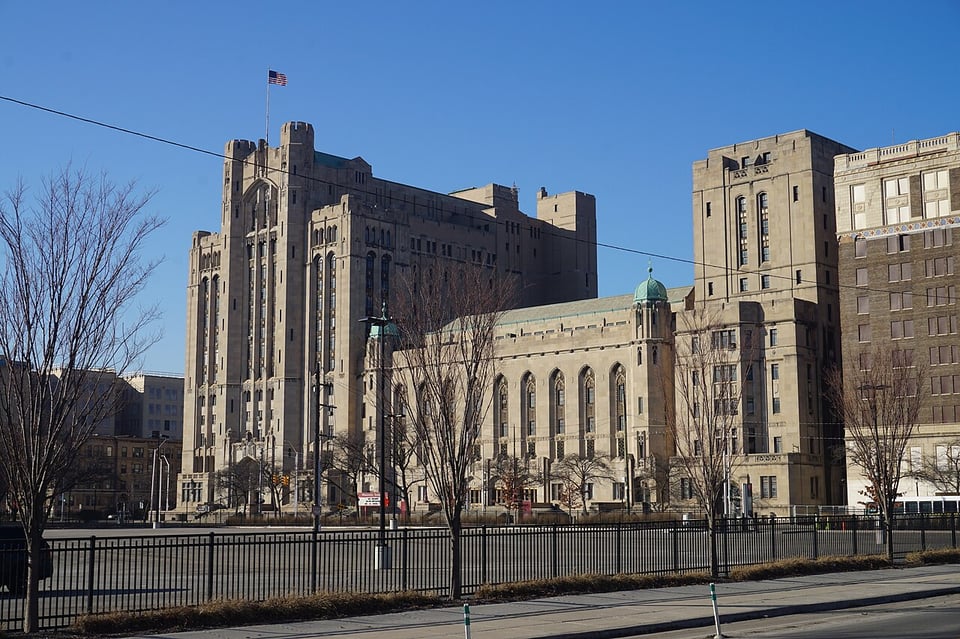
Pontiac should not be treated as a side note to Detroit history. The two cities share patterns: auto industry growth, civic architecture, suburban pressure, downtown decline, and renewed interest in historic buildings. That is why the Pontiac archive now connects with Detroit and Pontiac Masonic Temples and Metro Detroit shopping mall history.
More Pontiac and Michigan history
For readers moving between Pontiac, Detroit, and wider Michigan history, start with the Detroit History Resource Hub and then explore related HLC guides.
Pontiac Michigan history FAQ
What is Pontiac Michigan known for?
Pontiac is known for its auto industry history, downtown architecture, Oakland County civic role, historic neighborhoods, the Pontiac nameplate, the Silverdome, and a long-running story of reinvention.
Where can I learn about Pontiac historic districts?
Start with the Pontiac Historic Districts hub, then read Franklin Boulevard, Seminole Hills, Fairgrove Avenue, and Downtown Pontiac Historic District pages for specific places and architectural context.
Why does Pontiac matter to Detroit and Michigan history?
Pontiac helps explain the regional story of industry, cars, county growth, suburbanization, downtown change, and preservation. It is one of the best places to understand how Southeast Michigan grew beyond Detroit while still staying connected to Detroit's larger story.
Keep Exploring Detroit History
Pontiac belongs inside the larger Metro Detroit story: industry, roads, neighborhoods, architecture, and regional memory.
Detroit transportation
Connect Pontiac to roads, suburbs, streetcars, and regional movement.
Historic things to do
Build a Southeast Michigan history day around Detroit and nearby cities.
Open the full Detroit History Topic Library | Watch the episode archive | Watch HLC on YouTube